
California to Texas Car Shipping
Ship your car from California to Texas in 3–6 days —Best price and service guarantee
 Guaranteed Delivery Date RealTime Tracking and Update Licensed in all 50 States


Instant California to Texas Quote
Review preview: live quote integration is required before publication.
- 1Route & Date
- 2Vehicle
- 3Shipper
 FMCSARegistered
 USDOTRegistered
How Much Does It Cost to Ship a Car from California to Texas?
Niki’s September 2026 reference puts California to Texas at $1,030 on average, within a $650–$1,550 range. Open auto transport and enclosed transport require separate equipment comparisons. Ask NIKI for a written quote using your vehicle, addresses and dates, then review included charges, pickup arrangements and any conditions that could change the confirmed price.
What Factors Affect the Cost to Ship a Car?
NIKI builds the written quote around the two addresses, vehicle dimensions, operating condition and requested equipment. A restricted pickup date or difficult loading point can change carrier availability. Describe any modifications, low clearance or mechanical problems before comparing prices. Use the car shipping cost calculator to organize your details, then confirm what the quoted service includes and which changes could affect the final charge. For California–Texas vehicle shipping, confirm the vehicle, pickup location and delivery contact with the NIKI team.
California to Texas Car Shipping Pricing & Time to Ship Your Car Examples
| From California to Texas | Distance | Open Transport | Enclosed | Transit Time | |
|---|---|---|---|---|---|
| Los Angeles, CAHouston, TXMost Popular | 1,570 mi | $750–$1,200 | $1,125–$1,800 | 4–6 days | Get Quote |
| San Francisco, CADallas, TX | 1,730 mi | $750–$1,175 | $1,125–$1,775 | 4–6 days | Get Quote |
| San Diego, CASan Antonio, TX | 1,271 mi | $725–$1,150 | $1,100–$1,725 | 3–5 days | Get Quote |
| Sacramento, CAAustin, TX | 1,783 mi | $750–$1,225 | $1,150–$1,825 | 4–6 days | Get Quote |
| Fresno, CAFort Worth, TX | 1,624 mi | $825–$1,325 | $1,250–$1,975 | 4–6 days | Get Quote |
| San Jose, CAEl Paso, TX | 1,160 mi | $675–$1,075 | $1,000–$1,600 | 3–5 days | Get Quote |
| Long Beach, CAArlington, TX | 1,437 mi | $725–$1,150 | $1,075–$1,700 | 3–5 days | Get Quote |
Niki route examples, captured September 17, 2026. These prices and travel times are planning references; request NIKI Auto Transport’s quote for your vehicle and dates. View pricing source .
 Niki reference · September 2026. Request your NIKI quote.
Very pleased with the service I received from Niki Auto Transport. They provided useful updates, answered my questions, and made the whole experience feel smooth and organized. The shipment was completed successfully, and I am happy with the result.


I was a little nervous about shipping my car at first, but Niki made the whole process feel much easier than I expected. They were helpful from start to finish, and I especially appreciated how quickly they responded when I had questions. The car arrived in great shape, and I appreciated how easy Niki made the process.
The service from Niki was professional, clear, and dependable. They provided useful updates, answered my questions, and made the whole experience feel smooth and organized. My car arrived safely and in good condition, and I would use them again.
I am happy I chose Niki Auto Transport for my vehicle shipment. They handled the scheduling carefully, stayed in touch, and made the shipment feel easy to manage. The delivery was smooth, and I was pleased with the service from start to finish.
Open or Enclosed Transport for California to Texas?
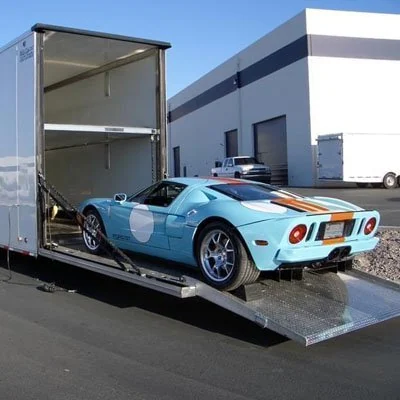
For California to Texas service, an open carrier offers exposed trailer space for vehicles whose owners accept outdoor travel. Ask NIKI to review your vehicle’s size, clearance and operating condition before choosing equipment. Compare the proposed pickup window, loading arrangements and written terms for the same addresses. Discuss any special handling needs before carrier assignment; trailer capacity and the carrier’s itinerary must be confirmed for your own booking. Review open auto transport before confirming your shipment details. An enclosed carrier provides protected travel for vehicles sensitive to road exposure.
Covered equipment can suit vehicles whose owners want additional protection from weather and road exposure. NIKI can explain the difference between enclosed and open auto transport using the equipment proposed for your booking. Compare car shipping charges for equivalent addresses and dates, and ask whether special loading arrangements change the quote. For California–Texas service, describe the vehicle and loading requirements before choosing equipment.
Summer sun can be relevant when selecting protection for a vehicle traveling between California and Texas. Discuss enclosed transport for delicate finishes or interiors, and confirm the carrier’s equipment and loading requirements before booking. Confirm legal loading access.
Tell NIKI about a fixed deadline before accepting the order. Ask whether a tighter pickup window is available for your vehicle and addresses, what it would cost and which commitments can be recorded in writing. Do not arrange your move around an unconfirmed delivery estimate.
The California to Texas Route
For California–Texas, NIKI needs the actual pickup city and delivery address to review the proposed route. Confirm address-to-address access with the assigned carrier; highway diagrams describe geography and do not guarantee a particular itinerary or stopping pattern. Arrange California–Texas vehicle transport with the NIKI team using your addresses, vehicle and available date.
California to Texas Shipping Prices by Season
Demand on this route changes with household moves, holidays and weather. Compare the seasonal references below, then confirm current carrier availability and pricing for your actual shipment dates.
Monthly booking demand on the California to Texas corridor
Spring & Early Summer
Spring household moves and summer school breaks can increase scheduling demand. Share firm deadlines and request collection arrangements early.

Late Summer & Fall
For late summer or autumn moves, compare available pickup windows with your planned arrival dates.

Holidays
Holiday closures can limit release and receiving hours. Confirm both facilities’ schedules before choosing your proposed transport dates.

Late Winter
Late winter weather can affect access; confirm pickup dates and receiving availability.
How Long Does California to Texas Car Shipping Take?
Count travel time after vehicle collection. Ask NIKI to confirm the pickup window and allow separately for carrier assignment before scheduling delivery.
- 1
Request your quote
Send the California and Texas ZIP codes, the vehicle year, make, model and your first date.
- 2
Book the lane
Review the complete written price, pickup window and cancellation terms before confirming your transport booking.
- 3
Carrier dispatch
Confirm the assigned carrier, collection contact and loading location; report changes before the truck is dispatched.
- 4
Transit to Texas
During the journey, keep the receiving contact available and confirm approaching delivery with the driver.
- 5
Texas delivery
At delivery, compare the vehicle with its dated pickup report, note concerns and retain the signed delivery inspection paperwork.
Request your booking ahead of the first available pickup date. Share any fixed deadline with NIKI, then confirm carrier availability and the proposed collection window before arranging your travel.
See Your CA to TX PriceShipping from the State of California
California pickups can include Los Angeles, San Diego, the Bay Area and Sacramento. Provide working telephone numbers for the people attending both handoffs.
For California pickup, NIKI Auto Transport needs legal truck access and room to load. Describe gates, steep approaches and parking restrictions, then agree on a nearby meeting point if necessary.
Shipping to the State of Texas
Provide the Texas receiving address, authorized contact and available hours. Check truck access and agree on a practical unloading point before arrival.
For deliveries in Houston, Dallas, Austin or San Antonio, give NIKI Auto Transport the property details. Check parking, turning space and receiving hours, then agree on a nearby unloading point if the street has restricted access.

Pickup and Delivery Notes for the California to Texas Route
Discuss door-to-door access, property rules and authorized contacts before the carrier schedules either handoff.
LA & Bay Area street access
Narrow streets, parking controls and limited turning space can affect a large transporter. Give NIKI the full California pickup address, describe local restrictions and confirm a practical nearby meeting point before the driver arrives.
Gated & HOA communities
Ask the property manager about truck access, gate procedures and permitted loading hours. Give your assigned driver clear instructions or arrange a nearby handoff.
Condos & high-rises
Confirm building delivery rules, loading access and permitted hours with management before arranging the transporter’s meeting point.
Dealers, auctions & ports
Obtain the facility’s release authorization, appointment requirements and opening hours before dispatch. Confirm whom the driver should contact on arrival.
Suburban deliveries
Describe cul-de-sacs and narrow streets before arranging door-to-door delivery. Confirm a nearby unloading point if the residential address cannot accommodate the transporter.
Desert & mountain weather
Conditions can change along a long itinerary. Ask the carrier about approaching weather and any revised pickup or delivery arrangements, keeping both handoff contacts informed.
Other Texas Car Shipping Routes
Compare Texas city pairs using the exact addresses, vehicle and dates; each car shipping quote needs its own details.
Los Angeles to Houston
For Los Angeles to Houston, give NIKI the exact California release location and Houston receiving address. Check vehicle dimensions, available dates, loading access and authorized contacts before comparing the proposed equipment and written service terms.
San Francisco to Dallas/Fort Worth
For San Francisco to Dallas/Fort Worth, identify the exact receiving city and property. Check street access, vehicle requirements and dates before comparing the equipment and terms.
San Diego to Austin
Plan San Diego to Austin transport around the release date and receiver’s availability. Share both addresses with NIKI, confirm truck access and compare the written terms before arranging collection for your vehicle.
Sacramento to San Antonio
For Sacramento to San Antonio, provide the actual handoff addresses, vehicle details and dates. Review access and receiving arrangements before confirming the booking.
California Shipping Terminals
Confirm the actual release or receiving facility before selecting terminal service. NIKI should review its opening hours, authorization requirements, appointments and access with you before the carrier is dispatched.
Shipping a Car from California, Made Simple
Watch NIKI’s introduction to door-to-door vehicle shipping, then prepare your route details before requesting service. Review the vehicle preparation steps.
- Discuss door-to-door pickup arrangements
- Compare open and enclosed auto transport before booking
- Review payment terms
Before the carrier arrives
Prepare the vehicle, collection location and receiving contact before pickup. These checks help prevent avoidable loading delays and handoff problems.
Schedule in advance
Provide the first day the car can leave California, plus any seller, travel or delivery deadlines. Allow time for carrier assignment before counting the days spent on the truck.
Prep and empty the vehicle
Clean the vehicle so its condition is visible, remove valuables and loose items, and keep the keys ready. Report mechanical issues or low clearance before loading.
Inspect at pickup and delivery
Photograph the vehicle and inspect it with the driver at pickup. Inspect the car again at delivery and compare it with the pickup record.
NIKI Auto Transport: The California to Texas Car Shipping Experts
NIKI Auto Transport coordinates California to Texas door-to-door shipments around the vehicle, addresses and available dates. Compare our auto transport services and review the proposed equipment, pickup access, communication arrangements and written terms before you book. Explain unusual loading needs or a fixed deadline so the team can review your requirements.
Your quote request gives NIKI the information needed to review the shipment: both ZIP codes, vehicle details, first available date and contact information. Read what sets NIKI apart and ask about the details that matter for your vehicle. Confirm legal loading access.
Does Your Shipment Need a Specialized Service?
Specialized auto transport can address seasonal travel, military relocations and unusual vehicles. Describe your schedule, vehicle value and loading requirements so NIKI can review the appropriate equipment and arrangements.
Texas to California Car Shipping
Confirm the return pickup window and the California receiver’s availability. Arrange door-to-door vehicle shipping using the actual pickup and delivery addresses.
Get a Texas to California QuotePopular Related Shipping Routes
More routes from California
Popular routes to Texas
Very pleased with the service I received from Niki Auto Transport. They provided useful updates, answered my questions, and made the whole experience feel smooth and organized. The shipment was completed successfully, and I am happy with the result.
- Request a written NIKI quote
- Review payment terms
- Confirm cancellation terms
Frequently Asked Questions
Find answers about pricing, timing, preparation and delivery before arranging your vehicle shipment with NIKI.
Ready to Ship Your Car from California to Texas?
Request your California to Texas quote using the vehicle, addresses and available date. Review the terms before booking.