Long-distance relocations
Move a daily driver to a new home while you fly or focus on the household move.

Interstate auto transport
NIKI coordinates door-to-door vehicle transport between states through qualified motor carriers. Get a route-specific quote, choose open or enclosed transport, and know what to expect from pickup through delivery.
Plan with confidence
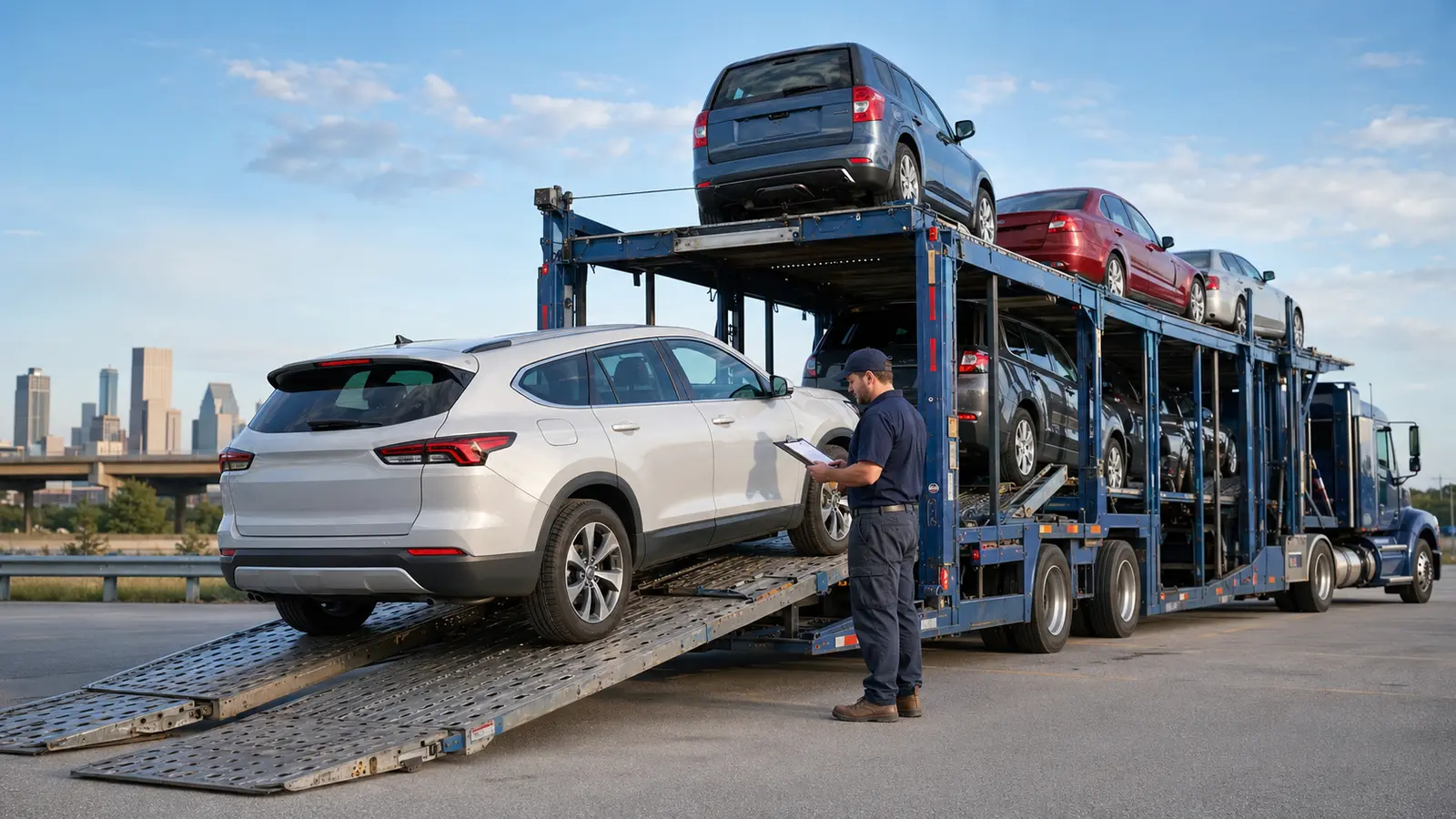
Shipping a car to another state can replace a long drive, added mileage, hotel stops, and time away from work. NIKI AUTO TRANSPORT is an auto transport broker: we arrange the shipment and coordinate with the licensed motor carrier that physically moves your vehicle. That distinction matters because it gives you a clear picture of who handles scheduling, who operates the truck, and which carrier insurance documents apply to the trip.
Every interstate shipment is different. Distance matters, but so do the cities at each end, vehicle size, whether the vehicle runs, seasonal demand, trailer type, and how flexible your dates are. Our team uses those details to explain the available options rather than forcing every move into a one-size-fits-all promise.
If this is your first shipment, start with our car-shipping guide. When you are ready, request a quote using the exact pickup and delivery ZIP codes, vehicle year/make/model, operability, and preferred date range.
Move a daily driver to a new home while you fly or focus on the household move.
Coordinate a vehicle for a student, relative, inherited car, or second residence.
Arrange seller or dealer pickup and delivery to your state with contact details at both ends.
Plan recurring north–south transport with realistic windows during high-demand periods.
From quote to delivery
Provide route ZIP codes, vehicle details, operability, trailer preference, and a realistic pickup window.
We explain pricing factors, open versus enclosed service, access considerations, and the carrier-assignment process.
At pickup, you and the driver inspect the vehicle and record its condition on the bill of lading.
Check the vehicle in good light, compare it with the pickup report, and note any concern before signing.
Compare your options
Most everyday vehicles move on open carriers, while enclosed service adds protection from road debris and weather exposure. The better choice depends on the vehicle, budget, clearance, and your tolerance for exposure—not simply the trip distance.
| Option | Often fits | What to know |
|---|---|---|
| Open transport | Daily drivers, SUVs, pickups, standard vehicles | Usually the most available and economical option. The vehicle remains exposed to normal road and weather conditions. |
| Enclosed transport | Classic, luxury, exotic, rare, restored, or low-clearance vehicles | Provides a covered trailer and often specialized loading equipment. Capacity is lower, so pricing and availability differ. |
| Inoperable transport | Vehicles that do not start, steer, brake, or roll normally | Must be disclosed before booking. Winch capability and safe loading access may add cost or limit carrier options. |
Transparent planning
A useful quote reflects the actual shipment. Our car shipping cost guide explains the basics; these are the variables that typically affect interstate pricing most.
High-volume interstate lanes may have more capacity than remote or difficult-to-access destinations.
Larger, heavier vehicles use more trailer space and can change loading configuration.
Enclosed capacity is more limited and typically costs more than standard open transport.
Short notice, holidays, snowbird traffic, storms, and seasonal demand affect availability.
Narrow streets, gated communities, low trees, or local truck rules may require a nearby meeting point.
Non-running or modified vehicles may need a winch, lift gate, or additional clearance planning.
Before pickup
A few careful steps make the handoff faster and help create an accurate condition record.
Auto transport operates within changing traffic, weather, loading, and regulatory conditions. A pickup window gives the carrier room to build a legal, efficient route. Once a carrier is assigned, the driver coordinates a more specific meeting time. Avoid booking a flight or lease cutoff immediately against an estimated truck arrival.
With door-to-door auto transport, the carrier attempts pickup and delivery at the addresses supplied. Large auto haulers cannot safely enter every cul-de-sac, apartment drive, downtown street, or low-clearance area. When access is restricted, you and the driver choose a nearby wide road or parking lot where the truck can load without blocking traffic.
The assigned motor carrier—not a generic website promise—provides the cargo coverage applicable to physical transport. Ask for current carrier documentation, understand deductibles and exclusions, and keep the signed bill of lading. Household goods and personal property are generally not part of auto cargo coverage; review your order terms before placing anything in the vehicle.
Good to know
NIKI arranges and coordinates auto transport as a broker. The assigned motor carrier supplies the truck, driver, operating authority, equipment, and carrier insurance. Federal guidance recommends verifying whether you are dealing with a broker or carrier and reviewing the company’s registration information and written terms.
Use exact locations and vehicle details for the most useful quote. We will explain the next step and the information still needed before carrier assignment.
See recent customer comments on our public Facebook reviews page before you decide.
Keep planning
Use these focused guides to compare services and prepare the next part of your move.
Questions answered
Clear answers for planning, pickup, carrier assignment, and delivery.
One to three weeks is a useful planning range for many routes, with more lead time during holidays, severe weather, and peak snowbird seasons. Short-notice moves may be possible, but flexibility can improve carrier options.
Transit depends on mileage, route, traffic, weather, loading stops, and federal driving-hour limits. A short neighboring-state move may take a few days; a cross-country route can take longer. Ask for an estimate, not a guaranteed arrival date.
NIKI coordinates the shipment as an auto transport broker. The assigned licensed motor carrier operates the truck and physically transports the vehicle.
Yes. Open transport is common for everyday vehicles. Enclosed transport adds protection from outdoor exposure and is often selected for collectible, luxury, exotic, rare, or carefully restored cars.
Not always. It means service as close to the requested addresses as safely and legally possible. Truck size, road rules, trees, turns, gates, and local conditions may require a nearby meeting point.
Do not assume personal property is permitted or insured. Disclose any requested items before booking and follow the written order terms and the assigned carrier’s limits. Never place valuables, prohibited goods, or irreplaceable items in the vehicle.
Disclose whether it starts, steers, brakes, and rolls. A non-running vehicle can require winch equipment and suitable access, which affects carrier selection and price.
The driver prepares a bill of lading and vehicle-condition report. Review it carefully, make sure existing damage is documented, keep a copy, and compare it with the vehicle at delivery.
No. An unusually low quote may not reflect actual carrier availability or shipment requirements. Compare the scope, trailer type, timing assumptions, payment terms, cancellation terms, and assigned carrier details.
The driver or coordination team should update the pickup or delivery estimate. Safety, legal driving limits, road closures, and severe conditions can change timing; keep your receiving contact flexible.
Usually, yes. Designate a responsible adult who can inspect the vehicle, communicate with the driver, and sign the bill of lading. Share their correct name and phone number before the handoff.
Use exact ZIP codes, vehicle year/make/model, operability, trailer preference, and your earliest available pickup date. Mention modifications, oversized tires, racks, low ground clearance, or difficult access before accepting the plan.
Start with accurate details
Tell us where the vehicle is, where it is going, when it will be available, and anything that affects loading. NIKI will coordinate the next step with clarity.
Quotes and timing depend on route, vehicle, equipment, access, carrier availability, and current market conditions. NIKI is an auto transport broker; the assigned motor carrier performs transport.