
Retail vehicle delivery beyond the showroom
Turn an online sale into a confident handoff
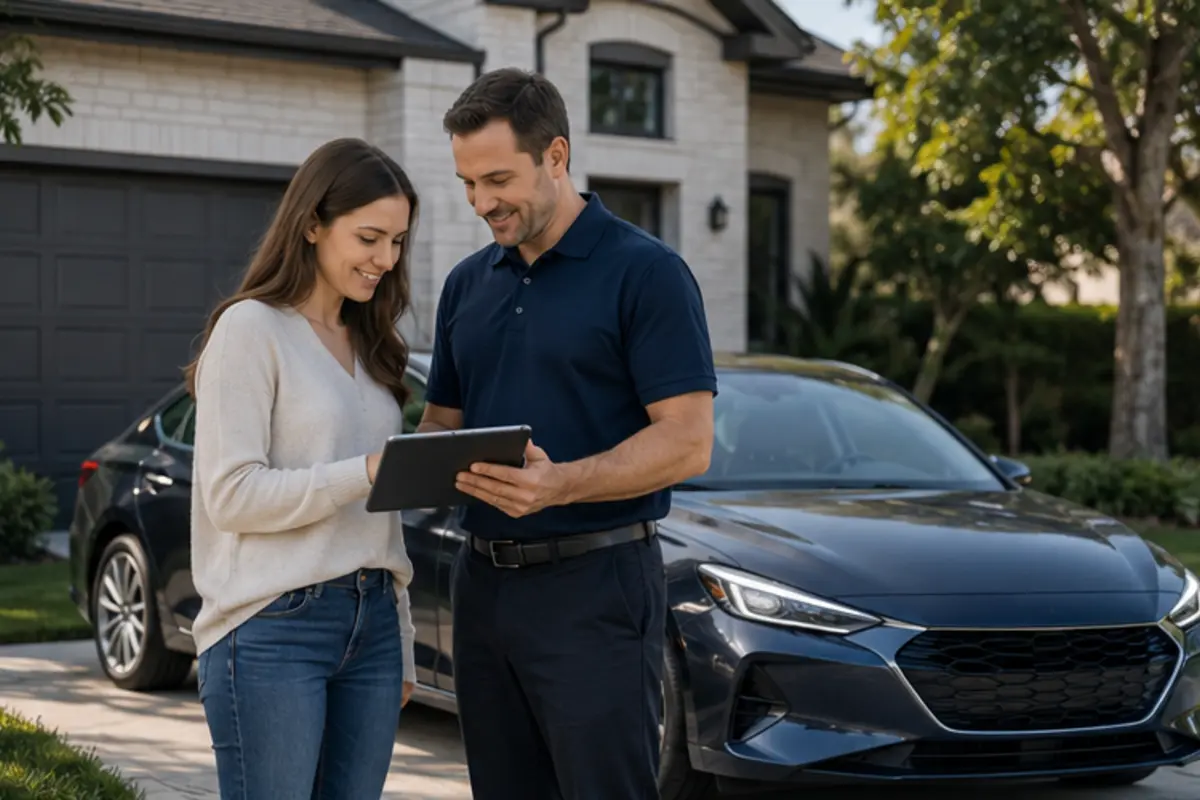
Home delivery extends the dealership experience to the buyer’s address. The transport plan should preserve vehicle condition, set realistic timing, confirm safe carrier access, and explain the delivery inspection.
Prefer to review customer feedback first? Visit NIKI Auto Transport’s public Facebook Reviews profile before requesting a quote.
Service overview
Dealership Home Delivery & Vehicle Transport
Dealership home delivery supports internet sales, out-of-market buyers, dealer trades, concierge programs, and customers who prefer not to visit the store. Transportation becomes part of the retail experience, so the buyer needs clear expectations about the assigned carrier, timing window, meeting location, inspection, and documents.
NIKI Auto Transport is a broker arranging the motor-carrier segment. The dealership remains responsible for the vehicle sale, title, financing, registration, disclosures, accessories, and customer promises. Separating retail responsibilities from transport responsibilities prevents confusion at delivery.
A four-stage workflow
How dealership home delivery works
A clear order separates planning, carrier assignment, vehicle custody, and final delivery. Each step should be confirmed with the current written shipment details.
Describe the move
Share exact locations, the vehicle, its condition, timing, and the service needs specific to dealership home delivery.
Review the plan
Check the written scope, estimated windows, carrier type, payment terms, and responsibilities before authorizing the order.
Prepare and inspect
Follow the assigned provider’s instructions, remove restricted items, take photos, and review the pickup Bill of Lading.
Receive and verify
Inspect before signing at delivery, note any concern on the document, retain photos, and keep the final paperwork.

Planning details that matter
Build the shipment around the real-world handoffs
Make the vehicle transport-ready
Complete detailing, accessories, charging or fuel, mechanical checks, title and registration steps, and retail paperwork before carrier arrival. Photograph the finished condition and ensure keys, temporary tags, manuals, and agreed items follow the dealership’s handoff policy.
Set a realistic customer appointment
Delivery windows depend on route progress, traffic, weather, hours-of-service limits, and prior stops. Do not promise an exact time unless the transport order supports it in writing. The carrier should confirm the operational window as arrival approaches.
Choose the safest delivery location
A residential address may not accommodate a multi-car carrier. Low branches, cul-de-sacs, gated communities, steep driveways, and local restrictions may require a nearby wide parking lot. Explain this possibility before the vehicle ships.
Design the delivery experience
Give the buyer the carrier contact, inspection steps, payment responsibility if any, and a dealership contact for retail questions. The buyer should inspect before signing the Bill of Lading and note any transport concern on the document.
What influences availability, timing, and price
No responsible page can promise one universal price or transit time. The factors below help explain why two apparently similar shipments may require different equipment or planning.
| Planning factor | Why it matters |
|---|---|
| Distance from selling dealership | Changes route mileage, fuel use, scheduling, and the pool of carriers serving the lane. |
| Open or enclosed service | Affects deck space, weight capacity, loading equipment, and whether a carrier can accept the unit. |
| Customer appointment flexibility | Changes equipment availability and the level of protection requested for the move. |
| Residential access | May narrow the workable loading area or require an alternate meeting point and added coordination. |
| Vehicle value, size, and operability | Influences current capacity, timing flexibility, and what qualified providers will accept the shipment. |
Before the assigned carrier arrives
Preparation checklist
Use the carrier’s current written instructions when they differ from general guidance. Vehicle type, port, facility, trailer, and route may introduce additional requirements.
- Finish retail paperwork before dispatch
- Confirm vehicle is released and ready
- Photograph detailed vehicle condition
- Provide buyer and dealership contacts
- Explain carrier role and delivery window
- Identify a backup meeting location
- Clarify payment responsibility
- Retain signed delivery documents

Never direct a driver to use an unsafe loading or tie-down point. The assigned motor carrier is responsible for equipment operation, load securement, and safe transport.
Choose the appropriate service level
Transport options and delivery planning
Open transport
Open carriers are widely used for standard vehicles on U.S. road routes. They can provide broad availability and practical pricing, while the vehicle remains exposed to normal road and weather conditions.
Learn about open car transport.
Enclosed transport
Enclosed equipment reduces open-road exposure and may be appropriate for collector, luxury, exotic, custom, low-clearance, or high-value vehicles. Trailer dimensions and loading method still need confirmation.

After a motor carrier is assigned
Know who does what and how the vehicle is documented
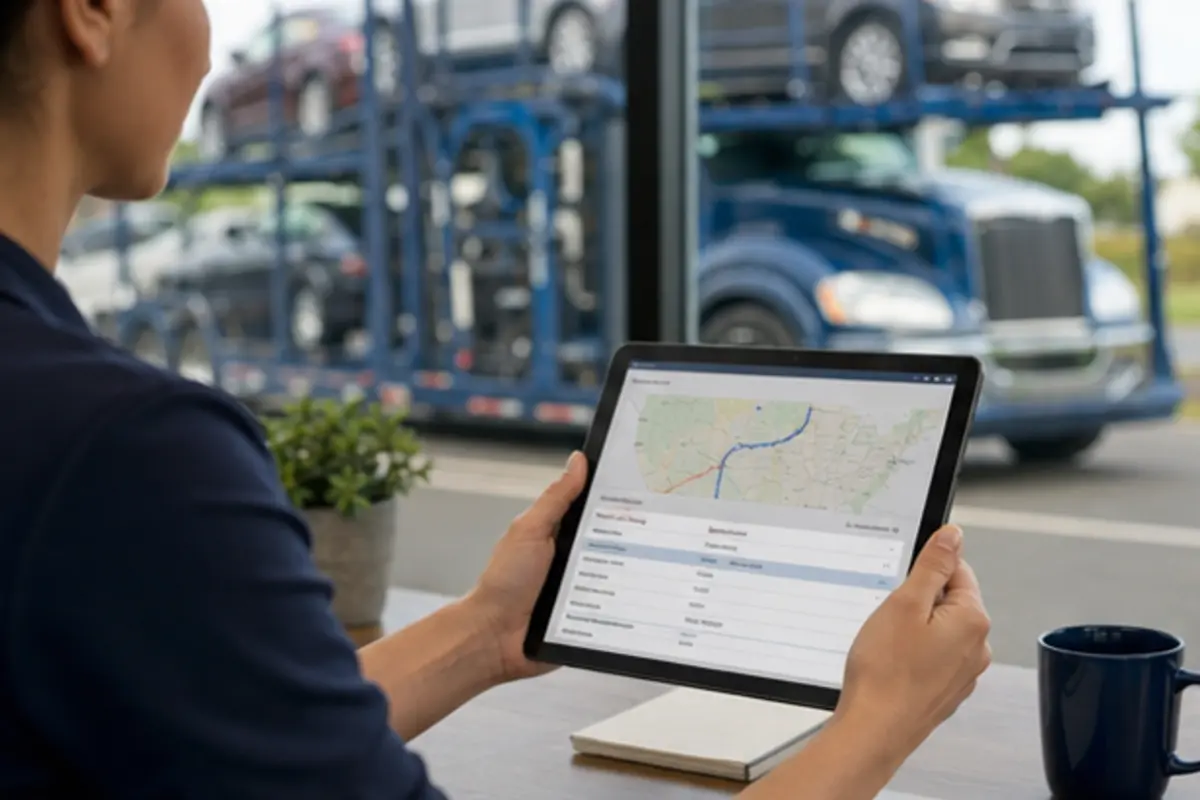
For dealership home delivery, the broker and motor carrier have connected but different roles. NIKI coordinates the order, confirms the customer-provided requirements, communicates assignment information, and helps address coordination questions. The assigned motor carrier operates the truck, determines safe loading, maintains the transport equipment, performs the physical pickup and delivery, and issues the Bill of Lading used for the vehicle-condition record.
Confirm the assignment
Review the carrier name, contact information, expected equipment, current pickup window, payment instructions, and any facility or port requirement. If a material detail differs from the written order, raise it before the vehicle is loaded. Do not rely on a phone conversation that conflicts with the order documents.
Verify condition at pickup
Wash or at least clean the exterior well enough to see existing marks. Take time-stamped photos in good daylight and include the roof, bumpers, wheels, glass, mirrors, accessories, and odometer when appropriate. Walk around the vehicle with the carrier and review the pickup Bill of Lading before signing.
Understand insurance language
Motor-carrier cargo coverage is not the same as a promise that every event is covered. Policies contain limits, deductibles, exclusions, and claim procedures. Ask for the assigned carrier’s current certificate when needed, keep the transport documents, and never treat personal items inside the vehicle as insured vehicle cargo.
Respond correctly at delivery
Meet in a safe, well-lit location and inspect before the carrier leaves. Compare the vehicle with pickup photos and documents. If you see a new concern, describe it on the delivery Bill of Lading before signing, photograph it clearly, keep a copy, and notify both NIKI and the carrier promptly.
Timing and communication expectations
Pickup and delivery windows are estimates unless a different written service has been accepted. Traffic, weather, road closures, safety inspections, hours-of-service limits, equipment issues, and earlier stops can change the plan. Keep both pickup and delivery contacts reachable, but remember that a driver may not answer while operating the truck. A practical backup contact is especially valuable when dealership home delivery involves a campus, hospital, port, dealership, gated residence, business yard, or other location with limited hours.
If timing changes, focus on the newest confirmed window and the next required handoff. Ask whether the carrier needs a different meeting point, after-hours contact, facility appointment, or document. Clear facts solve schedule problems faster than repeated requests for an exact arrival time that road conditions may not support.
Continue planning
Related NIKI Auto Transport resources
These internal guides cover service types and customer situations that overlap with dealership home delivery.
Independent official resources
Use current government information for registration, consumer-protection, export, import, or title questions. An outbound resource is provided for reader value and does not imply government endorsement of NIKI.
Frequently asked questions
Dealership Home Delivery & Vehicle Transport FAQs
Can a carrier deliver to the buyer’s driveway?
The carrier will try to reach a safe legal location close to the address. Narrow roads, low branches, gates, weight restrictions, or insufficient turning room may require a nearby meeting point.
Who gives the buyer delivery updates?
The dealership and broker coordinate booking information; after assignment, the carrier or driver generally provides operational pickup and arrival updates.
Can an exact delivery time be promised?
Auto transport usually operates with estimated windows. An exact appointment should not be promised unless it is part of the written service and confirmed by the carrier.
Should the buyer pay the driver?
Payment responsibilities vary by order. The dealership should tell the buyer in writing whether any carrier balance is due and which payment methods are accepted.
Who handles title and registration?
The dealership and buyer handle retail, title, financing, tax, registration, and disclosure matters. The transportation provider handles the contracted vehicle movement.
Is enclosed home delivery available?
Yes, when requested and available. It may suit exotic, luxury, collector, low-clearance, or high-value vehicles and should be planned earlier.
What does the buyer inspect?
The buyer should compare the vehicle with pickup records and photos, examine all sides in good light, note any new concern before signing, and retain the Bill of Lading.
Can several sold vehicles be delivered on one route?
Potentially, when destinations, timing, vehicle fit, and carrier capacity align. Each buyer still needs individual communication and delivery documentation.
Ready to plan the vehicle move?
Share the route, vehicle, condition, timing, and preferred service. NIKI will review the details and explain the next step without hiding the broker and carrier roles.
You can also review NIKI’s public Facebook Reviews.