
Discreet planning for high-value vehicle moves
VIP relocation with fewer moving parts for the client
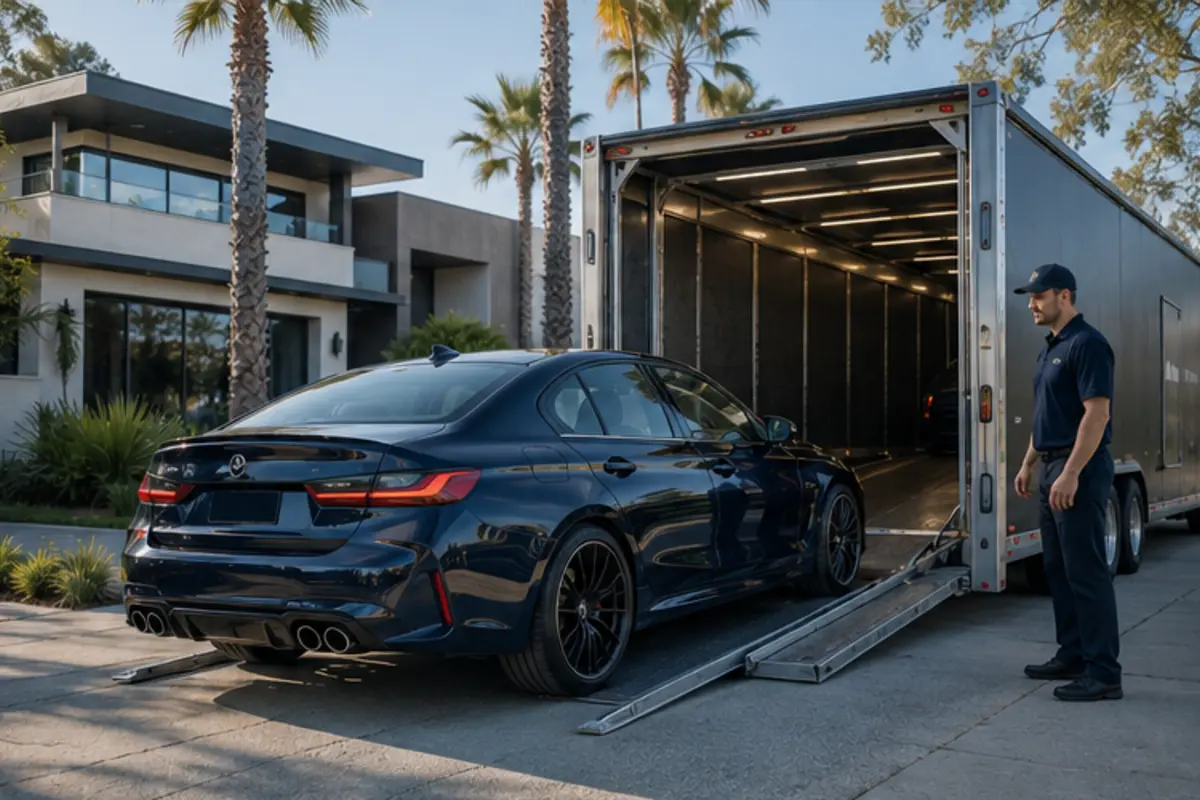
High-profile and high-value vehicle moves benefit from careful access planning, controlled contacts, enclosed-equipment matching, condition documentation, and a clear escalation path.
Prefer to review customer feedback first? Visit NIKI Auto Transport’s public Facebook Reviews profile before requesting a quote.
Service overview
VIP Vehicle Relocation & Enclosed Transport
VIP vehicle relocation may involve executive moves, private clients, family offices, professional athletes, entertainers, collectors, corporate relocation teams, or time-sensitive residences. The client often values privacy, concise communication, vehicle protection, and a predictable handoff process more than frequent generic updates.
NIKI Auto Transport arranges service as a broker and does not operate the carrier equipment. The assigned carrier performs the physical transport. Service details such as enclosed equipment, liftgate availability, single-vehicle or multi-vehicle trailer, contact restrictions, and delivery access must be confirmed in the written order rather than assumed from the word VIP.
A four-stage workflow
How VIP vehicle relocation works
A clear order separates planning, carrier assignment, vehicle custody, and final delivery. Each step should be confirmed with the current written shipment details.
Describe the move
Share exact locations, the vehicle, its condition, timing, and the service needs specific to VIP vehicle relocation.
Review the plan
Check the written scope, estimated windows, carrier type, payment terms, and responsibilities before authorizing the order.
Prepare and inspect
Follow the assigned provider’s instructions, remove restricted items, take photos, and review the pickup Bill of Lading.
Receive and verify
Inspect before signing at delivery, note any concern on the document, retain photos, and keep the final paperwork.
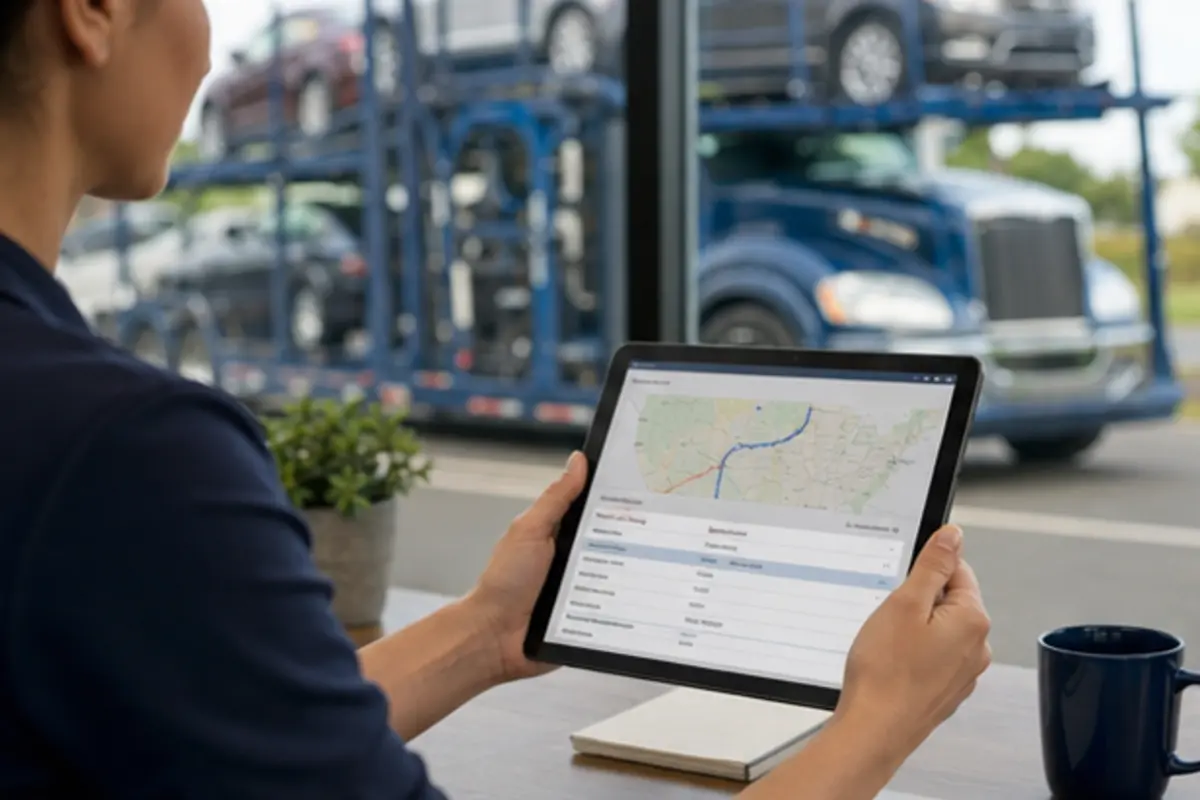

Planning details that matter
Build the shipment around the real-world handoffs
Limit communication to approved contacts
Identify the principal contact, assistant, residence manager, dealer, and emergency escalation path. Avoid circulating private addresses or schedules beyond the people who need them for the move. Use the minimum practical contact list.
Specify enclosed-equipment needs
Confirm trailer interior dimensions, door clearance, ramp angle, liftgate requirement, drip-protection expectations, and whether the trailer may carry other vehicles. Low-clearance cars, wide tires, carbon-fiber components, and custom aero require exact measurements.
Survey private-property access
Gated residences, private roads, underground garages, steep drives, security teams, and restricted communities may not admit a large enclosed rig. Plan a protected nearby transfer location or smaller local movement when necessary.
Use enhanced condition documentation
Detailed pickup photographs, a signed Bill of Lading, accessory inventory, mileage, keys, and delivery inspection create a defensible record. Do not leave valuable loose items in the vehicle unless the carrier has expressly accepted them in writing.
What influences availability, timing, and price
No responsible page can promise one universal price or transit time. The factors below help explain why two apparently similar shipments may require different equipment or planning.
| Planning factor | Why it matters |
|---|---|
| Enclosed equipment configuration | Changes route mileage, fuel use, scheduling, and the pool of carriers serving the lane. |
| Vehicle value, dimensions, and clearance | Affects deck space, weight capacity, loading equipment, and whether a carrier can accept the unit. |
| Privacy and access requirements | Changes equipment availability and the level of protection requested for the move. |
| Single or multiple vehicles | May narrow the workable loading area or require an alternate meeting point and added coordination. |
| Timing, route, and contact limitations | Influences current capacity, timing flexibility, and what qualified providers will accept the shipment. |
Before the assigned carrier arrives
Preparation checklist
Use the carrier’s current written instructions when they differ from general guidance. Vehicle type, port, facility, trailer, and route may introduce additional requirements.
- Name approved contacts and escalation path
- Provide exact dimensions and current photos
- Confirm enclosed equipment in writing
- Check private-property carrier access
- Remove valuables and loose accessories
- Record mileage and all condition details
- Provide keys through an authorized person
- Inspect before final signature
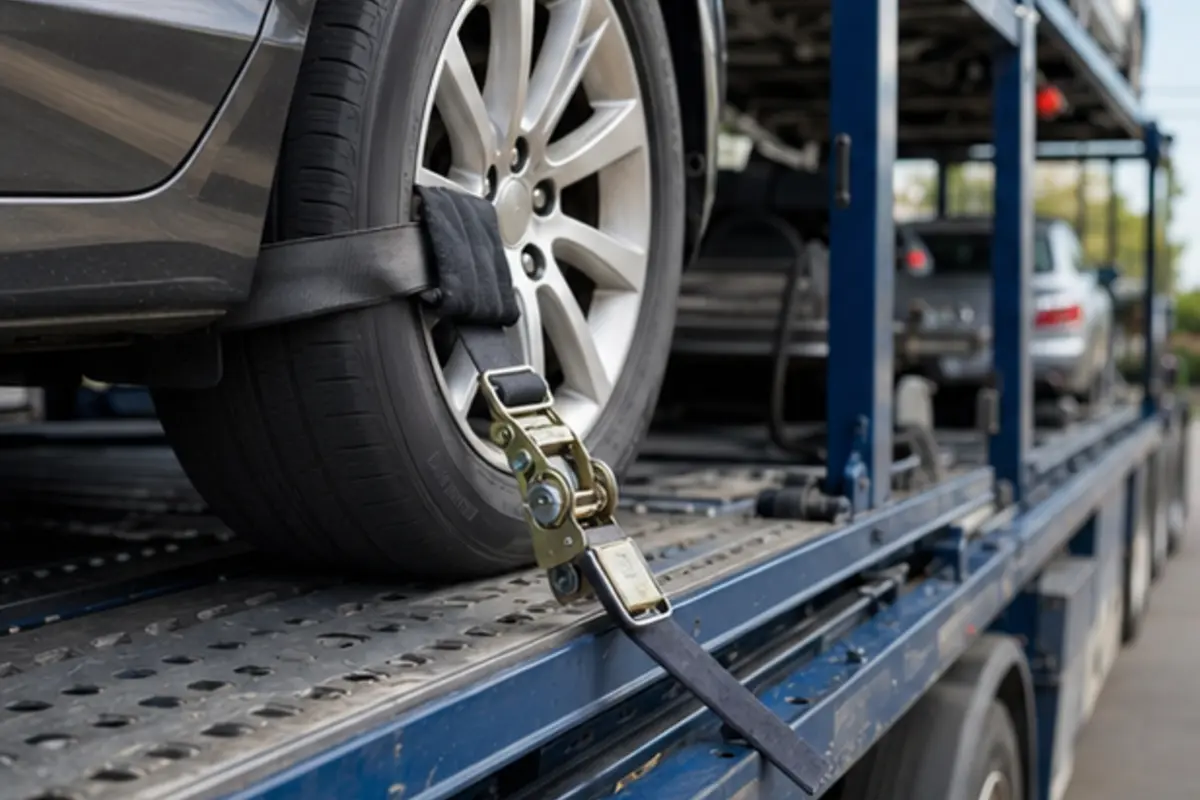
Never direct a driver to use an unsafe loading or tie-down point. The assigned motor carrier is responsible for equipment operation, load securement, and safe transport.
Choose the appropriate service level
Transport options and delivery planning
Open transport
Open carriers are widely used for standard vehicles on U.S. road routes. They can provide broad availability and practical pricing, while the vehicle remains exposed to normal road and weather conditions.
Learn about open car transport.
Enclosed transport
Enclosed equipment reduces open-road exposure and may be appropriate for collector, luxury, exotic, custom, low-clearance, or high-value vehicles. Trailer dimensions and loading method still need confirmation.

After a motor carrier is assigned
Know who does what and how the vehicle is documented
For VIP vehicle relocation, the broker and motor carrier have connected but different roles. NIKI coordinates the order, confirms the customer-provided requirements, communicates assignment information, and helps address coordination questions. The assigned motor carrier operates the truck, determines safe loading, maintains the transport equipment, performs the physical pickup and delivery, and issues the Bill of Lading used for the vehicle-condition record.
Confirm the assignment
Review the carrier name, contact information, expected equipment, current pickup window, payment instructions, and any facility or port requirement. If a material detail differs from the written order, raise it before the vehicle is loaded. Do not rely on a phone conversation that conflicts with the order documents.
Verify condition at pickup
Wash or at least clean the exterior well enough to see existing marks. Take time-stamped photos in good daylight and include the roof, bumpers, wheels, glass, mirrors, accessories, and odometer when appropriate. Walk around the vehicle with the carrier and review the pickup Bill of Lading before signing.
Understand insurance language
Motor-carrier cargo coverage is not the same as a promise that every event is covered. Policies contain limits, deductibles, exclusions, and claim procedures. Ask for the assigned carrier’s current certificate when needed, keep the transport documents, and never treat personal items inside the vehicle as insured vehicle cargo.
Respond correctly at delivery
Meet in a safe, well-lit location and inspect before the carrier leaves. Compare the vehicle with pickup photos and documents. If you see a new concern, describe it on the delivery Bill of Lading before signing, photograph it clearly, keep a copy, and notify both NIKI and the carrier promptly.
Timing and communication expectations
Pickup and delivery windows are estimates unless a different written service has been accepted. Traffic, weather, road closures, safety inspections, hours-of-service limits, equipment issues, and earlier stops can change the plan. Keep both pickup and delivery contacts reachable, but remember that a driver may not answer while operating the truck. A practical backup contact is especially valuable when VIP vehicle relocation involves a campus, hospital, port, dealership, gated residence, business yard, or other location with limited hours.
If timing changes, focus on the newest confirmed window and the next required handoff. Ask whether the carrier needs a different meeting point, after-hours contact, facility appointment, or document. Clear facts solve schedule problems faster than repeated requests for an exact arrival time that road conditions may not support.
Continue planning
Related NIKI Auto Transport resources
These internal guides cover service types and customer situations that overlap with VIP vehicle relocation.
Independent official resources
Use current government information for registration, consumer-protection, export, import, or title questions. An outbound resource is provided for reader value and does not imply government endorsement of NIKI.
Frequently asked questions
VIP Vehicle Relocation & Enclosed Transport FAQs
Does VIP service always mean a single-car trailer?
No. Enclosed trailers may carry one or several vehicles. If dedicated space or a specific trailer configuration is required, it must be confirmed in writing and may affect availability and price.
Is a liftgate available?
Some enclosed carriers have hydraulic liftgates, while others use ramps. State the vehicle’s clearance and equipment requirement before assignment; do not assume every enclosed trailer has a liftgate.
Can communication go through an assistant?
Yes. Name the authorized assistant or representative, the decisions they may make, and the emergency escalation contact. The pickup and delivery representatives must be able to inspect and sign.
Can the carrier enter a gated residence?
Only if the community and property safely allow a large commercial vehicle. Confirm gate dimensions, turning space, road restrictions, and security procedures or use a nearby transfer point.
Can luggage stay in the vehicle?
Valuables and personal property should be removed unless a written carrier policy expressly allows specific items. Vehicle cargo coverage is not personal-property insurance.
How is confidentiality handled?
Use limited approved contacts and provide information needed to complete the move. Any special confidentiality terms should be documented contractually before booking.
Can several collector vehicles move together?
Yes when trailer capacity, dimensions, loading order, route, and timing align. Supply details and condition records for each vehicle.
What happens at delivery?
The authorized recipient inspects the vehicle against pickup documents and photos, notes any new concern on the Bill of Lading before signing, and keeps copies.
Ready to plan the vehicle move?
Share the route, vehicle, condition, timing, and preferred service. NIKI will review the details and explain the next step without hiding the broker and carrier roles.
You can also review NIKI’s public Facebook Reviews.