

Los Angeles to Hawaii Car Shipping
Ship your sedan, SUV, pickup, EV, classic or family vehicle from Southern California to Oahu, Maui, Hawaii Island or Kauai with clear guidance on pricing, timing, documents, port procedures and vehicle preparation.
Shipping a car from Los Angeles to Hawaii, explained
Moving a vehicle across the Pacific involves more than placing it on a truck. The shipment may combine Los Angeles-area pickup, a mainland terminal appointment, ocean transportation, Hawaii terminal release and, depending on the route, additional destination planning.
NIKI Auto Transport helps customers organize the stages that apply to their move. You may deliver the vehicle directly to the assigned Southern California terminal, or request door-to-port transportation from an accessible home, dealership, business or storage location. After the ocean portion, the vehicle is released at the applicable Hawaii terminal for pickup according to that facility’s procedures.
This page is designed for people relocating to Hawaii, military households, students, seasonal residents, online vehicle buyers, dealerships and families sending a car to someone on the islands. It combines the most useful planning concepts from NIKI’s existing Hawaii car transport hub, the company’s California-to-Hawaii shipping page, current ocean-carrier preparation guidance and Hawaii government registration information.
How Los Angeles-to-Hawaii car shipping works
The simplest way to understand the route is to divide it into four stages. Not every customer needs every stage. Someone who lives near the terminal may choose port-to-port service, while a customer in the San Fernando Valley, Inland Empire, Orange County or another California location may prefer mainland pickup.
Request your quote
Provide the Los Angeles pickup location or terminal preference, Hawaii island, vehicle details, operating condition and first available date.
Confirm the route
NIKI reviews the available service combination, required documents, port procedures and applicable mainland carrier option.
Prepare and release
Clean the vehicle, remove prohibited items, complete the inspection and deliver it to the terminal or meet the assigned inland carrier.
Pick up in Hawaii
After arrival and release, bring the required identification and paperwork, inspect the vehicle and sign the destination documents.
Port-to-port service
With port-to-port service, you are responsible for delivering the vehicle to the assigned Southern California terminal and collecting it at the Hawaii destination. This arrangement can reduce the mainland transportation portion when you are close enough to handle the drop-off yourself. The reservation, terminal instructions, vehicle acceptance rules and release process still need to be followed carefully.
Door-to-port service from Los Angeles
Door-to-port service adds an inland auto carrier between your Los Angeles-area location and the departure terminal. The ground leg may use open auto transport, which is common for standard vehicles, or enclosed transport for a luxury, classic, exotic, restored or specialty vehicle. “Door” means as close as a large commercial carrier can safely and legally reach. Narrow residential roads, low trees, steep grades, parking restrictions and gated properties may require a nearby meeting point.
Shipping from outside central Los Angeles
NIKI can also review transportation from surrounding areas such as Santa Monica, Beverly Hills, Burbank, Glendale, Pasadena, Long Beach, Torrance, Carson, the San Fernando Valley, Orange County, Riverside County, San Bernardino County and other California locations. Exact service and price depend on the actual ZIP code, not simply the words “Los Angeles.” For broader statewide planning, see NIKI’s California car transport guide.
Need pickup from your home or dealership?
Enter the exact origin ZIP code so the quote can include the mainland transportation stage.
How much does it cost to ship a car from Los Angeles to Hawaii?
There is no universal rate for every Los Angeles-to-Hawaii vehicle shipment. The total depends on the island, assigned port, ocean rate, vehicle measurements, vehicle condition, fuel or battery requirements, mainland pickup, open or enclosed ground transport, scheduling and current capacity. An ordinary operable sedan delivered directly to a mainland terminal can price differently from a lifted pickup collected from a residential address and shipped to a neighbor island.
NIKI’s existing route page currently displays the following sample planning estimates. These figures are useful for searchers comparing destinations, but they are not guaranteed prices and should be refreshed whenever ocean-provider rates change.
| Sample route | Standard-vehicle estimate | EV note |
|---|---|---|
| Los Angeles → Oahu / Honolulu | About $1,599 | Existing guide shows approximately $1,800 for an EV |
| Los Angeles → Hawaii Island / Hilo | About $2,349 | Existing guide shows approximately $2,649 for an EV |
| Los Angeles → Kauai / Nawiliwili | About $2,349 | Existing guide shows approximately $2,649 for an EV |
| Los Angeles → Maui / Kahului | About $2,349 | Existing guide shows approximately $2,649 for an EV |
| Los Angeles → Molokai / Kaunakakai | About $2,349 | Availability and EV acceptance require confirmation |
Sample figures above are reproduced from NIKI’s live route content as a planning reference reviewed July 14, 2026. Rates, taxes, port fees, mainland transport, dimensions, provider rules and vessel availability can change. Replace or update the table whenever the published rate structure changes.
What changes the final price?
Island and terminal
Honolulu service may price differently from Maui, Kauai, Hawaii Island or another available destination because the ocean routing and capacity are different.
Vehicle dimensions
Large SUVs, pickups, vans, lifted vehicles, roof equipment and modifications can require dimensional review and may increase the transportation cost.
Mainland pickup
Adding transportation from a Los Angeles-area home, auction, dealer or storage facility creates a separate inland stage that is included in the route quote.
Operating condition
Vehicles generally need to start, steer and brake for standard ocean acceptance. A non-running vehicle requires advance approval and appropriate equipment.
Timing and capacity
Requested ready dates, vessel space, seasonal demand, holidays, weather and terminal schedules can affect both availability and current market pricing.
Ground transport type
Open transport is commonly the economical mainland option. Enclosed service costs more and is often chosen for specialty or high-value vehicles.
Use NIKI’s car shipping cost guide to understand the ground-transport variables, then request a route-specific Hawaii vehicle quote. A quote should identify whether the price is port-to-port, door-to-port or another service combination so you are comparing equivalent offers.
How long does it take to ship a vehicle to Hawaii?
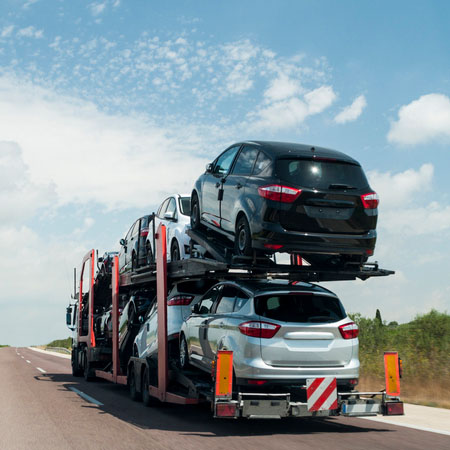
NIKI’s current Los Angeles route guide advises customers to plan approximately 21 to 42 days for the complete process. That broad window can include pickup availability, travel to the mainland terminal, terminal acceptance, waiting for an available sailing, the ocean voyage, unloading and destination release. Another NIKI Hawaii resource shows shorter sample windows for certain port-to-port routes, which is why the exact service combination matters.
Transit estimates are not guaranteed arrival appointments. Vessel schedules can change, and the vehicle may need to be accepted before a cutoff date to make a particular sailing. Weather, port congestion, mechanical issues, holidays, documentation problems, vehicle-condition issues and missed drop-off windows can extend the timeline.
Booking and mainland stage
Quote review, document collection, carrier assignment when needed, Los Angeles pickup and terminal delivery.
Terminal and vessel movement
Acceptance, staging, loading, Pacific transit, unloading and destination processing.
Release and pickup
Arrival notice, terminal availability, identification check, inspection and removal before storage charges apply.
How to improve scheduling
- Request pricing before finalizing flights or a household moving date.
- Provide a realistic first-available date rather than a date when the vehicle is still needed.
- Allow flexibility around the mainland pickup and terminal cutoff.
- Complete document requirements early, especially when a lienholder, company owner or authorized representative is involved.
- Disclose vehicle modifications, EV status, low clearance, leaks or mechanical problems before booking.
- Plan destination pickup promptly after the vehicle becomes available.
Which Hawaii ports serve Los Angeles vehicle shipments?
Hawaii vehicle shipping is island-specific. Do not enter “Hawaii” as though it were a single terminal. Tell the advisor which island and final area you need. The suitable port depends on the selected ocean service, vehicle, current sailing schedule and operational requirements.
Los Angeles, Long Beach and Southern California terminals
The mainland handoff may occur at an approved terminal in the Los Angeles or Long Beach region, or through another Southern California arrangement selected for the booking. The name of the marketing route does not guarantee that the vehicle boards a ship at a terminal inside the City of Los Angeles. Always use the specific address and appointment instructions supplied for your reservation.
If a company offers a convenient inland receiving location away from the actual ocean terminal, the vehicle may be transferred as part of the provider’s operation. The customer should understand where to deliver the vehicle, what paperwork is required, when it must arrive, and whether the registered owner or an authorized representative must be present.

How to prepare a car for ocean shipping
Ocean terminals enforce detailed safety and acceptance requirements. NIKI’s guidance and major Hawaii ocean-carrier checklists consistently emphasize a clean, operable vehicle without leaks and with the required documents ready. The final rules for the assigned carrier take priority over any general checklist.
- Wash the exterior. A reasonably clean vehicle makes dents, scratches, chips and glass damage easier to identify during the condition inspection.
- Take dated photographs. Capture every side, wheels, roof when practical, glass, bumpers and existing damage. Retain the original files until the shipment is complete.
- Remove personal property. Empty the passenger compartment, cargo area, trunk and truck bed unless the provider expressly authorizes a limited item. Do not leave valuables, documents, electronics, tools or household goods.
- Remove toll transponders. California toll devices can register activity while the car is transported on the mainland. Store them in a shielded bag or remove them according to the issuer’s instructions.
- Check for leaks. Repair fluid leaks before the appointment. A leaking vehicle may be rejected because it can create a safety hazard aboard the vessel.
- Confirm the vehicle operates. Unless special service has been approved, the car should start, steer and brake properly. Tires should be inflated, the battery secure and the emergency brake functional.
- Follow the fuel limit. Ocean carriers restrict fuel quantity. NIKI’s existing route guidance commonly references approximately one-quarter tank, but the final booking instructions control.
- Disable alarms. Provide any remote required to silence a factory or aftermarket system. An alarm that activates during staging or transit can delay handling.
- Secure or remove accessories. Roof racks, bike racks, spoilers, antennas, loose covers, removable toolboxes and aftermarket equipment may need removal or approval.
- Bring every required key. Provide keys or remotes necessary to start, unlock and operate the vehicle. Keep a duplicate set with you.
Windshield, clearance and dimensions
Chipped or cracked glass, very low clearance, oversized dimensions, lifted suspension, wide tires, roof cargo systems and non-factory equipment can affect acceptance. Major carriers publish specific dimensional and ground-clearance limits, and some ports have different restrictions. Provide accurate measurements when the vehicle is not factory standard. Do not arrive at the terminal assuming an unusual vehicle will be accepted without prior review.
Electric and hybrid vehicles
Tell NIKI that the car is electric or plug-in hybrid before the quote is finalized. Ocean providers may have battery state-of-charge ranges, charging-cable requirements, damage restrictions, recall rules or island-specific availability. The charge level should follow the assigned carrier’s written instructions—not a generic internet recommendation. If the vehicle has a charging fault, damaged high-voltage battery, active warning light or recent collision damage, disclose it before booking.
Non-running vehicles
A standard roll-on/roll-off shipment assumes the vehicle can be driven during terminal handling. A non-running vehicle, dead battery, seized brake, steering problem or missing key can require special approval and equipment. Describe whether it rolls, steers and brakes. Never book it as operable merely because it can be pushed; inaccurate condition information can lead to rejection, extra cost or a missed sailing.
Documents commonly required for Hawaii vehicle shipping
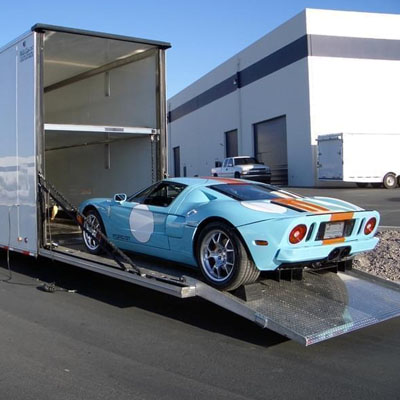
Document requirements depend on direction of travel, registered ownership, lien status, military status, company ownership, the person dropping off the vehicle and the selected ocean carrier. For westbound California-to-Hawaii shipments, carrier guidance may require a signed booking agreement, current registration or ownership document, and identification. If the registered owner cannot attend, a notarized authorization or power of attorney may be required.
- Signed booking or shipping agreement for the assigned ocean service.
- Current vehicle registration, title, bill of sale or other accepted ownership document.
- Government-issued identification matching the booking information.
- Lienholder authorization when required by the carrier or ownership circumstances.
- Company authorization when the vehicle is owned by a business.
- Notarized authorization or power of attorney when someone other than the registered owner handles drop-off or pickup.
- Military verification when requesting a military program or when required for the shipment.
- Shipment confirmation, booking number and any uploaded-document receipt.
Names, VIN numbers and ownership information should be consistent across the booking and documents. Resolve discrepancies before the terminal appointment. A missing signature or incorrect VIN can be more disruptive than a minor scheduling change because the facility may be unable to accept or release the car.
What happens when the car reaches Hawaii?
After the ocean provider processes the vehicle at the destination, the consignee normally receives an arrival or availability notice. Follow the terminal’s pickup hours and instructions. Bring the required identification, booking details and authorization documents. If someone else will collect the vehicle, confirm the acceptable authorization format before the ship arrives.
Inspect before signing
Walk around the vehicle in adequate light and compare it with the photographs and origin inspection record. Check the body, glass, wheels, tires, mirrors, roof and accessible interior areas. Note visible concerns on the applicable delivery document before signing, and retain copies. Photographs taken at the terminal can help preserve a clear record of the vehicle’s condition at release.
Pick it up promptly
Ocean terminals provide limited free time. Storage charges can begin when a vehicle remains after the permitted pickup period. Arrange local transportation to the terminal and monitor the arrival notice so the car can be collected promptly. Do not assume the terminal will hold the vehicle indefinitely at no charge.
Registering a newly arrived vehicle in Hawaii
Hawaii does not have one statewide Department of Motor Vehicles. Vehicle registration is administered by county government. The correct process therefore depends on where the vehicle will be principally located: the City and County of Honolulu, Maui County, Hawaii County or Kauai County.
Before moving, review the current county instructions for an out-of-state vehicle, registration timing, safety inspection, insurance, title or lien documentation, taxes and any military provisions. Requirements can change, and a rule for Oahu may not be identical to one on Maui, Kauai or Hawaii Island. NIKI coordinates transportation; it does not replace the county registration authority.
Choosing the right Los Angeles mainland service
| Service | Best suited for | Key consideration |
|---|---|---|
| Direct port drop-off | Customers able to deliver the vehicle to the assigned Southern California terminal | You handle the origin appointment and transportation home after drop-off |
| Open door-to-port transport | Daily drivers, standard sedans, SUVs and pickups needing Los Angeles-area collection | Economical and widely used; vehicle is exposed during the mainland truck stage |
| Enclosed door-to-port transport | Classic, exotic, luxury, restored, collectible or specialty vehicles | More protection during the mainland stage and generally a higher cost |
| Expedited mainland pickup | Customers with a compressed origin schedule | Availability and pricing depend on carrier capacity and terminal cutoff dates |
Explore open transport, enclosed transport and expedited auto transport before choosing the mainland stage. Ocean transportation itself follows the assigned vessel and terminal process; the open-versus-enclosed choice usually refers to the inland carrier used before the port.
Who commonly ships a vehicle from Los Angeles to Hawaii?
Household relocations
A family may ship one vehicle while flying to Hawaii, or send a second car while using another temporarily in California. Booking the car early can reduce the chance of arriving on the island long before the vehicle becomes available.
Military moves
Service members and military households should determine what transportation is covered by their orders and what will be privately arranged. Military documentation, registered-owner rules and authorized representatives should be addressed before the terminal appointment. Ask about NIKI’s route support and provide the realistic move schedule.
Online purchases and dealership transfers
Customers buying a California vehicle for use in Hawaii should confirm title status, registration documents, lien information, vehicle condition and port acceptance before final payment. Dealerships and sellers need clear instructions about who is authorized to release the vehicle to the inland carrier or terminal.
Students and seasonal residents
Shipping can make sense when the vehicle will be used for an extended stay and local purchase or rental costs are less attractive. Compare the total transportation cost with the value and suitability of the existing car, Hawaii registration expenses, insurance, parking and maintenance in a salty coastal environment.
Luxury and collector vehicles
Specialty vehicles require precise disclosure. Low clearance, non-standard dimensions, high value and cosmetic condition may affect mainland equipment and ocean acceptance. Enclosed ground transport can reduce exposure between the pickup point and terminal, but the final plan should be based on the vehicle’s exact specifications.
Ready to plan the route?
Send the exact Los Angeles origin, Hawaii island, vehicle and first available date for current pricing.
Why use NIKI for Los Angeles-to-Hawaii coordination?
A Hawaii shipment requires clear communication across multiple stages. NIKI gives customers one place to discuss the mainland pickup option, ocean route, vehicle requirements and next steps. The goal is not to promise an impossible delivery date or advertise a one-size-fits-all price; it is to build the service around the actual vehicle and destination.
Route-specific support
The quote is based on the Los Angeles origin, Hawaii island, port availability, vehicle and desired service combination.
Mainland flexibility
Customers can discuss direct terminal delivery or inland pickup using an appropriate open or enclosed carrier.
Preparation guidance
The team helps identify common document, condition, fuel, key, alarm and personal-property requirements before release.
Customer access
Customers can use the online quote form, call the published telephone number, visit the help center or contact NIKI.
Multiple service types
NIKI coordinates Hawaii shipping alongside cross-country transport and other mainland vehicle-relocation services.
Reviewable information
Customers can read NIKI Auto Transport reviews and examine the booking terms before committing.
Los Angeles to Hawaii car shipping FAQ
How much does it cost to ship a car from Los Angeles to Hawaii?
The price depends on the island, port, vehicle measurements, operating condition, ocean rate, mainland pickup needs, transport type and requested date. NIKI’s existing route guide currently shows sample estimates beginning around $1,599 for Los Angeles to Honolulu and approximately $2,349 for several neighbor-island destinations. These are planning examples, not guaranteed quotes.
How long does the complete shipment take?
NIKI’s current route guide advises planning approximately 21 to 42 days for the full process. Direct port-to-port movement may be shorter on some schedules, while inland pickup, vessel capacity, terminal cutoffs, weather and destination processing can increase total time.
Can NIKI pick up the vehicle at my Los Angeles home?
Door-to-port pickup may be coordinated from an accessible residence, business, dealership, auction or storage location. A large carrier must have legal and safe access. When it cannot reach the exact address, the driver and customer can arrange a suitable nearby meeting point.
Where do I drop off a vehicle in Los Angeles?
Use only the terminal or receiving address supplied for the confirmed booking. The route may be marketed as Los Angeles-to-Hawaii even when the assigned receiving facility is in the broader Los Angeles or Long Beach area. Do not rely on an old terminal address found online.
Which Hawaii islands can receive a shipped vehicle?
Common route options may serve Honolulu on Oahu, Kahului on Maui, Hilo or Kawaihae on Hawaii Island and Nawiliwili on Kauai. Other locations and inter-island options depend on the ocean carrier and current schedule.
Can I leave boxes or luggage inside the car?
Do not assume that personal items are permitted. Ocean carriers apply strict content rules for safety and liability. Remove household goods, luggage, valuables and loose property unless your assigned provider explicitly authorizes a limited item in writing.
How much fuel should be in the tank?
Follow the final ocean-carrier instructions. NIKI’s existing Los Angeles route guidance commonly refers to no more than approximately one-quarter tank, but the booking-specific rule controls. Arriving with excess fuel can cause a delay or rejection.
Can I ship an electric vehicle to Hawaii?
EV shipping may be available on selected routes. Tell NIKI the exact model and that it is electric. The ocean provider may impose battery charge, damage, recall, documentation, dimension and port restrictions. Follow the assigned provider’s written state-of-charge requirement.
Can I ship a financed or leased vehicle?
Possibly, but ownership and authorization documents must satisfy the carrier and your finance or lease agreement. Ask the lienholder or lessor whether written permission is required and provide it before the terminal appointment.
Can someone else drop off or pick up my vehicle?
Carrier rules may require a notarized authorization or power of attorney when the registered owner is not present. Confirm the required wording, identification and signatures before the appointment rather than sending an unapproved person to the terminal.
Is my vehicle transported in the open on the ocean?
Ocean vehicles are generally handled through specialized vessel systems, often roll-on/roll-off operations. The separate open-versus-enclosed decision usually applies to the mainland truck transporting the car to the port. Ask about the assigned ocean service for the specific booking.
Does Hawaii have a statewide DMV?
No. Hawaii vehicle registration is administered by county governments. Review the current process for Honolulu, Maui, Hawaii or Kauai County based on where the vehicle will be registered.
How do I get a NIKI quote?
Use the online car transportation quote form or call (818) 732-1805. Provide the exact Los Angeles origin, Hawaii island or port, vehicle year, make, model, operating condition and first available date.