
Rhode Island car shipping connects Providence, Warwick, Newport and Cranston with carrier lanes serving Massachusetts and Connecticut and the rest of the country. The same car can require a different transport strategy depending on where it starts, where it is going and when it is available. This guide explains the local conditions that matter, the questions worth asking and the preparation steps that reduce last-minute problems.
Rhode Island car shipping services can support relocations, online vehicle purchases, military or university moves, dealership inventory, seasonal travel and specialty-car transportation. NIKI coordinates shipments through licensed and insured motor carriers. The assigned carrier performs the physical transportation, while clear information about the vehicle, both addresses and the release date helps build a realistic plan.
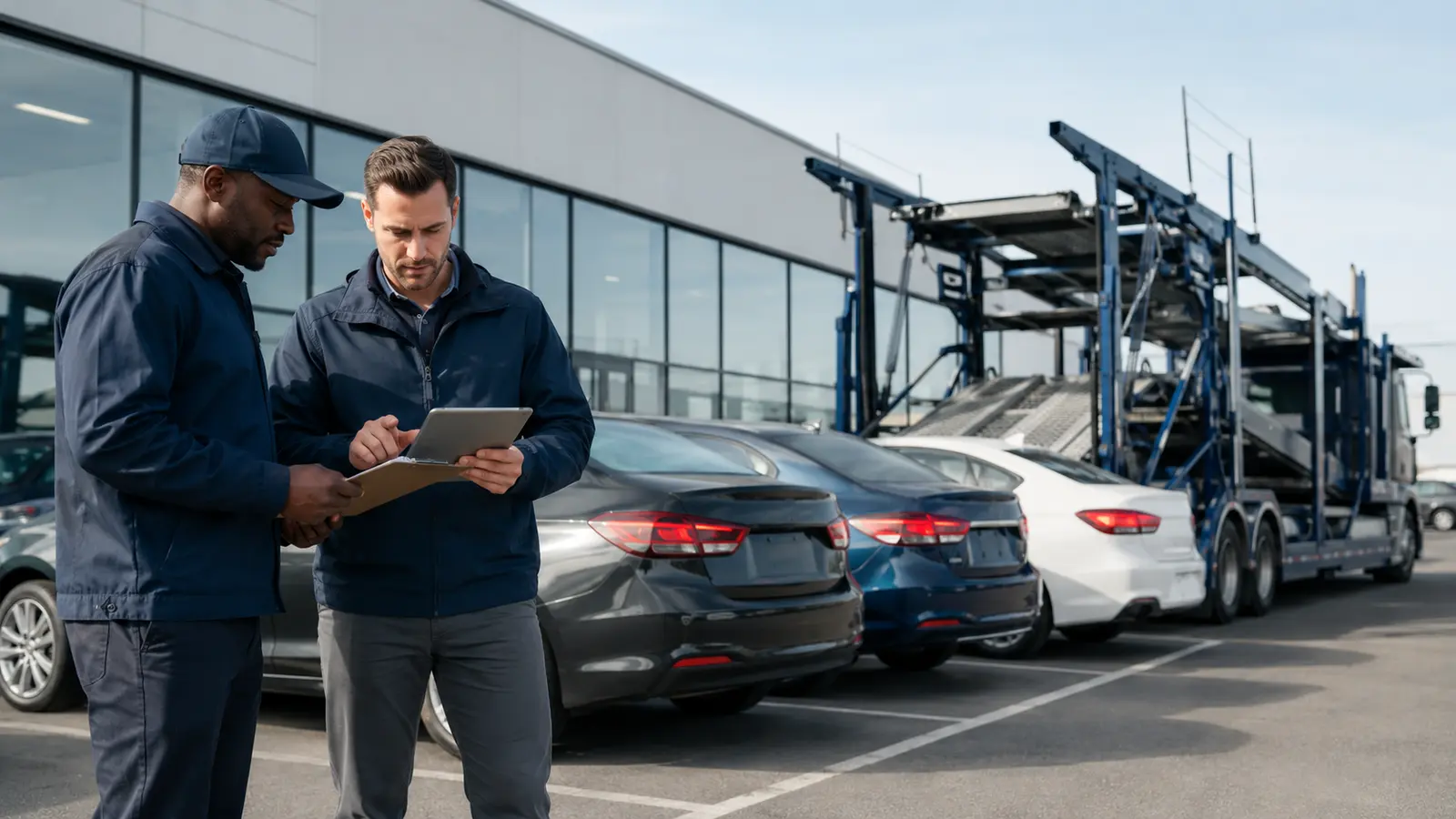
Rhode Island Is More Than One Pickup Market
Rhode Island includes the Providence metro, Narragansett Bay communities, historic coastal towns and compact inland suburbs. That variety affects how a carrier approaches a shipment. A pickup close to I-95, I-195, US-1 and Route 4 may fit an active multi-vehicle route, while an address deep in a rural or mountain area may require a separate detour. The difference can affect available equipment, pickup timing and the amount of deadhead mileage a carrier must accept.
Carrier routing is not the same as a private road trip. A professional driver may be transporting several vehicles, each with its own release hours, access limits and delivery contact. The truck must also comply with legal height, weight and driver-service requirements. For that reason, the shortest map route is not always the practical transport route.
Customers get a more useful estimate when they provide both complete ZIP codes rather than city names alone. They should also identify the exact year, make and model, whether the vehicle runs, any modifications or low ground clearance, and the first date it can actually be released. Those details determine whether the request can be matched to standard open equipment or needs a more specialized plan.
Metro-by-Metro Transport Considerations in Rhode Island
Providence
A Providence pickup or delivery requires attention to campus, industrial or residential access rules that may not be obvious from the ZIP code. Confirm building hours, parking rules, gate procedures and the name of the person who will release or receive the vehicle before dispatch.
Warwick
A Warwick pickup or delivery may involve a longer detour, a smaller local road or a schedule built around the carrier’s next interstate connection. Confirm building hours, parking rules, gate procedures and the name of the person who will release or receive the vehicle before dispatch.
Newport
A Newport pickup or delivery often provides the broadest concentration of carrier activity, but congestion and restricted streets can narrow a pickup window. Confirm building hours, parking rules, gate procedures and the name of the person who will release or receive the vehicle before dispatch.
Cranston
A Cranston pickup or delivery can be convenient for regional routing when the meeting location is close to a truck-accessible commercial corridor. Confirm building hours, parking rules, gate procedures and the name of the person who will release or receive the vehicle before dispatch.
These city examples do not limit service to the largest markets. Smaller towns can be served too, but flexibility becomes more valuable as the address moves away from a normal through lane. Sometimes the safest plan is a legal meeting point near a wide road or interstate exit rather than forcing a long carrier into a narrow neighborhood.
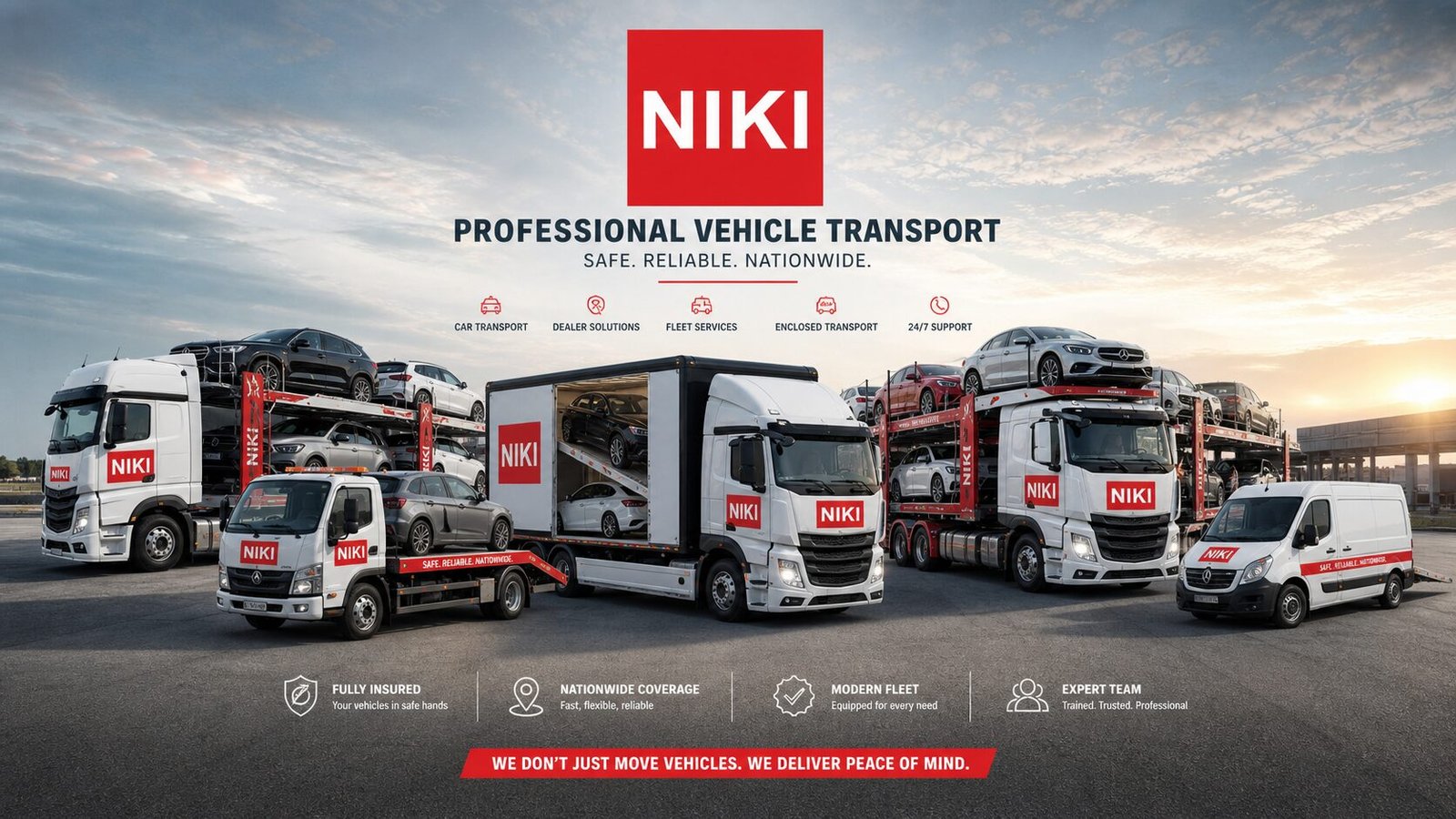
Preparing for Truck Access in Rhode Island
Address planning in Rhode Island may involve historic streets, waterfront districts, island bridge approaches, college campuses and tightly spaced neighborhoods. A full-size auto carrier is long, tall and difficult to turn. The driver cannot legally block traffic, enter a low-clearance structure or risk damaging the truck on a steep or soft surface. “Door-to-door” means service as close to each address as the equipment can safely and legally reach.
If the property is not accessible, the customer and driver can choose a nearby commercial lot or wide public location. The meeting point should be legal, well lit when possible and free from low branches, tight islands and overhead wires. Decide this with the assigned driver rather than selecting a random parking lot before a truck has been dispatched.
Dealerships, auctions, ports, campuses, military facilities and gated communities may have release documents or operating hours. Send those requirements early. The carrier needs the correct contact name and phone number, and the release contact must be able to answer when the truck approaches.
Route Geography Matters More Than a Map Pin
Major Rhode Island routing commonly uses I-95, I-195, US-1 and Route 4. These roads connect population centers and help carriers combine compatible vehicles traveling in the same direction. Availability may be broader near a corridor with balanced inbound and outbound demand. A route that sends a truck far beyond its next planned stop can take longer to match even when the straight-line mileage looks modest.
Direction is important. A carrier already moving toward Massachusetts and Connecticut may have usable space for one lane but not for the reverse trip. Seasonal relocation patterns, auction volume, dealer activity and fuel costs can also create a temporary imbalance. Live capacity therefore matters more than an old average posted online.
For a long-distance shipment, the driver may cross several regions before reaching the destination. Weather, inspections, construction, required rest and earlier stops can change the estimated arrival. A responsible coordinator communicates an updated range instead of treating a multi-state carrier as an on-demand local tow truck.
The Variables Behind a Live Transport Price
No single statewide price can accurately describe every shipment. A current quote should consider:
- both complete ZIP codes and how far each address is from an active carrier lane
- vehicle dimensions, ground clearance, operability and modifications
- open versus enclosed equipment and any special loading requirement
- the first available date, scheduling flexibility and current route demand
- fuel, tolls, seasonal conditions and the direction of the carrier’s remaining stops
A large pickup, lifted truck, long-wheelbase van, low sports car or non-running vehicle may consume more trailer space or require equipment beyond a standard loading ramp. An enclosed trailer costs more because capacity is limited and the covered environment is a premium service. Rural detours and difficult access can also affect a carrier’s willingness to accept the route.
Be cautious when one initial number is dramatically lower than every current market estimate. A low advertisement does not reserve a truck by itself. Ask what the quote includes, when the carrier will be assigned, which payments go to the broker or carrier, and what happens if the proposed timing changes. For current information, request a personalized vehicle-shipping quote with the exact shipment details.
The Rhode Island Auto Transport Timeline
- 1
Share complete information
Provide both ZIP codes, exact vehicle details, running condition, modifications, contact information and the first date the vehicle can be released.
- 2
Review the written plan
Confirm trailer type, estimated pickup window, payment terms, cancellation terms and any access restrictions before accepting dispatch.
- 3
Prepare and document
Remove valuables, leave about one-quarter tank of fuel, disable alarms, provide one working key and take clear dated photographs.
- 4
Meet the assigned carrier
Review the pickup inspection and bill of lading with the driver before the vehicle is loaded. Keep a copy of every document.
- 5
Stay reachable
The driver or coordinator may need to update the timing or select a safe meeting point. Keep both contact phones active.
- 6
Inspect at delivery
Compare the vehicle with the pickup record before signing. Record any concern on the bill of lading while the driver is present.
Dispatch time and transit time are different. Dispatch is the period used to identify and confirm a compatible carrier. Transit begins after loading. The estimated delivery range depends on distance, route, weather, legal driver hours and other scheduled stops. Read the complete how to ship a car guide before pickup if this is your first shipment.
Protection Level and Loading Requirements
Open transport moves most everyday vehicles and generally offers the widest carrier availability. Cars are exposed to ordinary road and weather conditions, similar to the exposure they receive while being driven. The service is commonly selected for sedans, crossovers, family vehicles, pickup trucks and dealership inventory.
enclosed vehicle transport provides a covered trailer environment and is often requested for collector, exotic, restored, luxury or very low-clearance vehicles. The important decision is not which option sounds more impressive; it is which equipment matches the vehicle’s value, clearance, condition and the owner’s preferred level of protection.
An inoperable vehicle can often be shipped when its exact condition is disclosed before dispatch. The carrier may need a winch and enough space to load safely. State whether the vehicle rolls, steers and brakes, whether tires hold air and whether parts are loose. A vehicle described as running that cannot be driven onto the trailer can cause a failed pickup, added labor or the need to locate different equipment.

How the Season Changes Vehicle-Shipping Logistics
Seasonal planning in Rhode Island should account for coastal storms, winter snow and ice, summer tourism traffic and strong winds near the bay. These conditions do not automatically prevent transport, but they can change safe travel speed, loading conditions, route availability and the time needed to reach a pickup address. Customers should avoid arranging a non-refundable flight or closing appointment around an unconfirmed truck arrival.
Weather also changes demand. Snowbird moves, university calendars, military transfers, holidays, auctions and summer relocations can place more vehicles than available spaces on a lane. Booking earlier creates more options, but an early request is not a reason to promise a precise hour weeks in advance. The useful goal is a realistic pickup window supported by current carrier communication.
Prepare the vehicle for the season without leaving loose equipment inside it. Remove exterior accessories that could detach, make sure the battery is secure, confirm tire inflation and disclose any leak or starting problem. In freezing conditions, use the manufacturer’s recommended fluids. In severe heat, avoid overfilling the fuel tank; roughly one-quarter tank is normally enough for loading and unloading.
Who Uses Vehicle Shipping in Rhode Island?
Rhode Island shipments are connected to healthcare, education, maritime industries, tourism, design, manufacturing and Boston-area commuting. A household relocation may prioritize a dependable arrival range and a convenient residential meeting point. A dealer may care more about release paperwork, auction hours and coordinating several stock numbers. A student or traveling professional may need a backup receiver because the delivery date cannot be tied to one class or work shift.
Online vehicle purchases require careful communication between the buyer, seller and carrier. Confirm that payment and title issues are resolved before dispatch, identify who has the keys and establish the seller’s operating hours. The transport company should not arrive while the vehicle is still unavailable or buried behind other inventory.
Collector and specialty vehicles add different questions. Ground clearance, tire width, modifications, nonstandard dimensions and preferred protection level should be discussed before a carrier is selected. Photographs and accurate specifications help determine whether enclosed or specialized equipment is appropriate. The same planning applies to motorcycles, oversized pickups and vehicles that have been stored for a long period.
Choosing Professional Coordination Over a Guess
First identify whether the company is acting as a broker, a motor carrier or both. A broker coordinates transportation and selects a carrier; the motor carrier and driver physically move the vehicle. The written agreement, dispatch notice and payment instructions should make these roles understandable.
Verify current federal registration through the FMCSA SAFER Company Snapshot. Insurance documents should relate to the carrier assigned to the load. Reviews can provide context about communication and service, but reviews do not replace current registration, accurate vehicle information or a written contract.
Ask how the pickup window was estimated, when carrier details will be supplied, whether the quote is based on open or enclosed transport and how payment is divided. A professional answer acknowledges variables instead of guaranteeing that traffic, weather, inspections and earlier stops can never affect an interstate schedule. NIKI’s role is to coordinate a workable plan and communicate the assigned carrier information clearly.
The Bill of Lading Is More Than a Receipt
Before pickup, photograph every side of the vehicle, the roof when practical, wheels, glass and existing marks. Images should be clear and time-stamped. Review the carrier’s inspection and make sure the recorded condition matches what you see. Do not sign an inaccurate form simply because loading has already started.
At delivery, inspect before signing the final bill of lading. Use the pickup photographs as a reference and record any new concern while the carrier is present. Keep the contract, dispatch information, bills of lading, photographs and payment records together. If another adult will receive the vehicle, give that person the same instructions.
Communication closes the gap between an estimate and the actual arrival. The driver generally narrows the delivery window while approaching. Keep the receiving contact available, especially if the address is in a restricted area or requires an alternate meeting point. A careful final inspection protects both the customer and carrier by documenting what was received.
Rhode Island Car Shipping FAQs
How much does Rhode Island car shipping cost?
Cost depends on both ZIP codes, vehicle size and condition, open or enclosed equipment, seasonal demand, fuel, route direction and live carrier capacity. A current quote requires complete shipment details.
How long does it take to ship a car to or from Rhode Island?
Transit is estimated after pickup and varies by distance, traffic, weather, inspections, legal driver hours and the carrier’s other scheduled stops. Dispatch time is separate from transit time.
Is door-to-door auto transport available in Rhode Island?
Yes. Service is coordinated as close to each address as a large carrier can safely and legally reach. A nearby legal meeting point may be used for restricted or inaccessible roads.
Can I choose enclosed transport?
Yes. Enclosed equipment provides a covered trailer environment and is often selected for collector, exotic, restored, luxury or low-clearance vehicles.
Can a non-running vehicle be transported?
Often yes, but its exact condition must be disclosed. The carrier may need a winch and compatible loading space, which can affect availability and price.
May I put personal belongings in the vehicle?
Personal property is generally not treated as insured vehicle cargo. Do not load valuables or household goods without express written approval from the assigned carrier.
How early should I arrange pickup?
Earlier planning usually provides more options, especially around holidays, severe weather, university calendars and seasonal relocation periods. The pickup window remains an estimate until a carrier is assigned.
What should I inspect at delivery?
Compare the vehicle with pickup photographs and the original bill of lading before signing. Record any new concern on the delivery document while the carrier is present and keep copies of all records.
Get a Personalized Auto Transport Quote
Share both ZIP codes, the exact vehicle, running condition and first available date. NIKI will review the route and equipment requirements before presenting a live plan.