
Vehicle remarketing logistics
Auto Auction Car Transport Services
Professional vehicle shipping for auction buyers, sellers, dealers and remarketing teams
NIKI coordinates nationwide auto auction transportation for operable, inoperable, salvage, specialty and dealer inventory. Provide the auction name, buyer or stock number, gate-pass requirements, vehicle details and destination so the shipment can be planned around release rules, storage deadlines and carrier access.
Customer feedback
Five-Star Customer Rating
★★★★★
See current customer comments about communication, carrier coordination, pickup and delivery experiences.
Experience and verification
20 Years of Auto Transport Experience, Backed by Verifiable Registration
NIKI combines experienced shipment coordination with carrier screening, clear documentation and practical communication. Customers can independently review federal registration and consumer guidance before booking.
Verify federal registration through FMCSA SAFER
Review FMCSA consumer guidance
Auction transportation built around release rules
Reliable Auto Auction Vehicle Shipping Requires More Than a Truck
Moving a vehicle from an auction is different from collecting a car at a private residence. Auction facilities control release documents, buyer numbers, payment clearance, lot locations, operating hours, loading assistance and storage deadlines. A successful shipment begins by matching those rules with the correct carrier, equipment and pickup window.
NIKI Auto Transport organizes those moving parts into one practical plan. We coordinate with the customer, auction location and assigned carrier so that the driver arrives with the information needed to identify and release the correct vehicle. When a unit is inoperable, damaged, low to the ground, missing keys or located in a restricted yard, those facts are documented before dispatch instead of being discovered at the gate.
This preparation helps buyers avoid wasted trips, rescheduling, added storage and preventable dry-run charges. It also gives dealers, consignors and remarketing teams a consistent contact for transportation questions. Whether the shipment involves one personal purchase or recurring commercial inventory, the objective is the same: move the right vehicle with suitable equipment, clear documentation and realistic timing.
Who Uses NIKI Auto Auction Transport?
Auction transportation serves several types of customers, and each one approaches timing, documentation and communication differently. NIKI adapts the shipping plan to the party controlling the vehicle and the party receiving it.
Individual auction buyers
Private buyers may be shipping an online purchase for the first time. We explain release documents, vehicle-condition questions, payment timing, pickup expectations and delivery inspection in plain language.
Dealerships and dealer groups
Dealers often need predictable movement between auctions, stores, recon centers and buyers. The plan can include recurring lanes, multiple units, business-hour delivery and shared status communication.
Remarketing teams
Commercial remarketers need transportation that supports sale calendars, turn times and inventory control. Clear identifiers, escalation contacts and documented exceptions help protect workflow.
Rental and fleet operators
Fleet units may move into auction, between facilities or to buyers after sale. Equipment and scheduling are matched to volume, vehicle type and required destination sequence.
Financial institutions
Repossession and recovery inventory can have controlled release procedures or special documentation. NIKI coordinates the information available without making assumptions about access or condition.
Collectors and specialty buyers
Classic, exotic, restored or unusually low vehicles may justify enclosed transportation, lift-gate loading or additional clearance planning. Protection preference is discussed before assignment.
How Auto Auction Car Shipping Works
The process is straightforward when the required information is gathered early. These steps apply to most physical and online auction shipments, although each facility may use different release procedures.
- 1
Share the auction and vehicle information
Provide the auction name and address, buyer or member number, lot or stock number, VIN, year, make, model, vehicle condition, pickup contact, delivery address and first available release date. A screenshot of the release instructions can be helpful when it does not expose unrelated private information.
- 2
Confirm release eligibility
The auction should show the vehicle as paid and released before a carrier is sent. Confirm whether a printed gate pass, digital release, buyer ID, transporter authorization or appointment is required. Also check storage deadlines and the yard's exact operating hours.
- 3
Match equipment to the vehicle
Operable standard vehicles commonly move on open carriers. Inoperable units may require a winch and enough clearance to load safely. Severe damage, locked steering, missing wheels, loose parts or very low ground clearance may require specialized equipment or auction-provided forklifting.
- 4
Assign and verify the carrier
NIKI reviews the carrier's registration, authority and insurance and confirms the pickup details. Dispatch information identifies the driver, carrier and expected pickup window. Timing remains subject to road, weather, traffic, auction access and prior stops.
- 5
Pickup, inspection and loading
The driver checks the VIN or identifying information, completes a condition inspection when practical and loads the vehicle using the agreed equipment. Auction rules may limit where the driver can inspect or photograph a unit, so existing photos should be saved by the buyer whenever available.
- 6
Delivery and final inspection
The receiving party meets the driver at an accessible location, compares the vehicle with the pickup record and signs the delivery portion of the bill of lading. Any visible concern should be written on the document before the vehicle is accepted.
Have an auction lot number and delivery ZIP code?
Send the release details and vehicle condition for a personalized transport plan.
Information Needed Before an Auction Pickup
Complete information prevents most release problems. A carrier cannot correct an unpaid invoice, missing authorization or inaccurate vehicle condition after arriving at the facility.
Release and identity details
- Auction company and exact branch location
- Buyer, member or dealer number
- Lot, stock or inventory number
- Complete VIN when available
- Gate-pass or transporter authorization
- Name and phone number for release questions
Vehicle and loading details
- Year, make, model and body style
- Operable or inoperable condition
- Key availability and steering condition
- Tire, wheel and suspension condition
- Loose parts, broken glass or fluid leaks
- Ground clearance and winch requirements
Timing and facility details
- Paid-and-released confirmation
- First pickup date and storage deadline
- Yard days and operating hours
- Appointment or check-in requirement
- Loading-assistance policy
- Holiday or sale-day restrictions
Delivery details
- Complete destination address and ZIP code
- Residential or commercial location
- Receiving hours and contact person
- Truck-access restrictions
- Repair-shop or dealership instructions
- Port or terminal requirements when applicable
Important: Describe the vehicle's condition accurately. “Inoperable” can mean anything from a dead battery to missing wheels or major collision damage. Equipment, price and carrier availability depend on what is required to load and unload the unit safely.
Operable, Inoperable and Salvage Auction Vehicles
The correct condition category is a transportation decision, not merely an auction label. A vehicle that starts but cannot steer, brake or roll normally may still need inoperable service.
An operable unit should start, remain running long enough to load, roll freely, steer and brake. A standard open carrier may be able to load it without additional equipment. A non-running vehicle that rolls, steers and brakes may be suitable for a winch-equipped carrier, provided the auction allows that loading method.
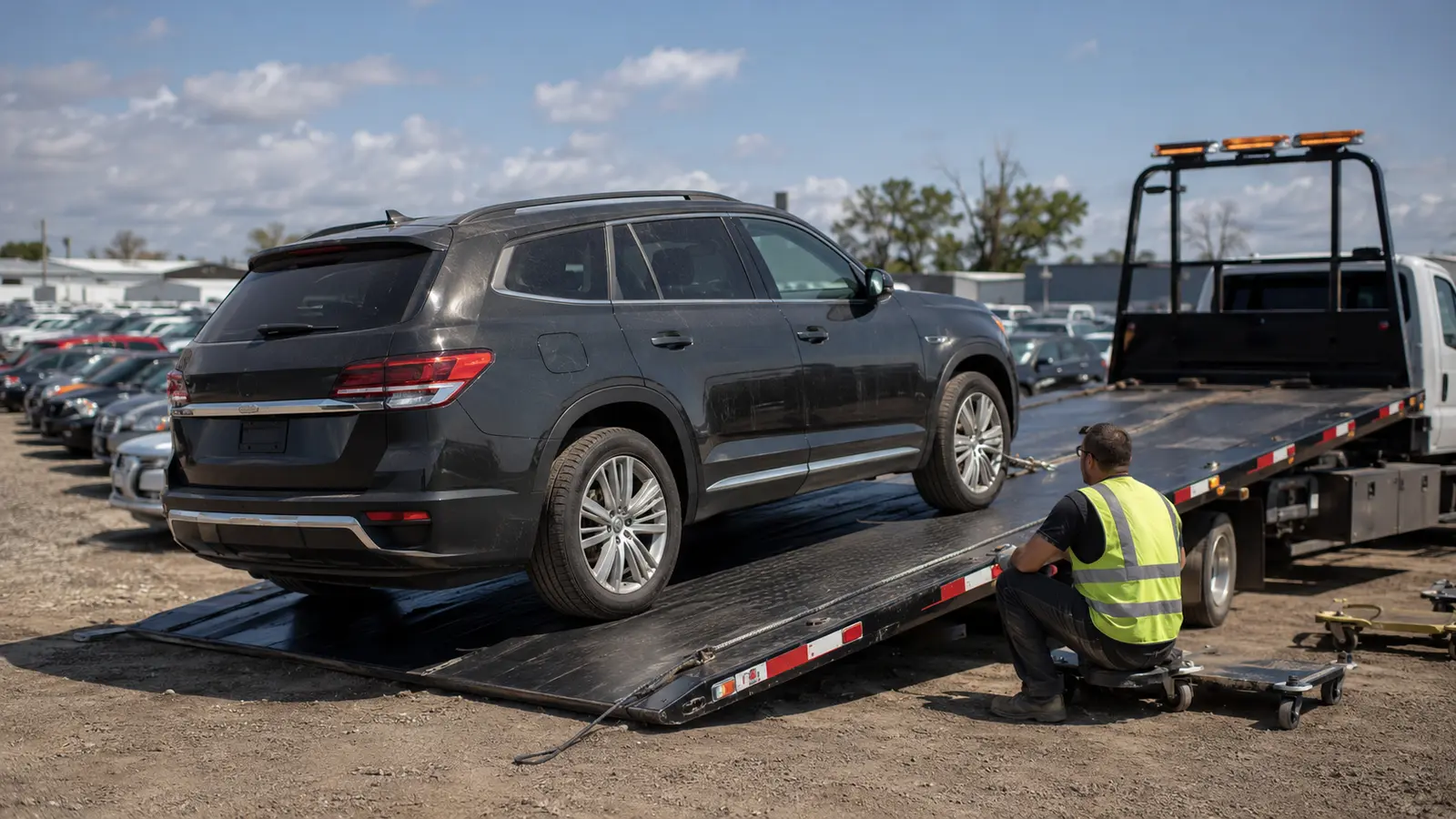
Salvage vehicles require more detail. Missing wheels, damaged suspension, locked steering, deployed airbags, hanging body panels, severe fluid leaks or fire damage can affect safety and acceptance. A forklift may load a unit at the auction, but the destination must also have a safe unloading solution. If the receiving location cannot unload the vehicle, a roll-back tow truck or specialized carrier may be needed.
Customers should not assume that every carrier can handle every damaged vehicle. Accurate photos, auction-condition notes and a direct description allow NIKI to search for equipment that fits the real job. Disclosing the condition early is almost always less expensive than sending unsuitable equipment and arranging a second pickup.
Open or Enclosed Transport for an Auction Purchase?
Both options can provide professional door-to-door service. The appropriate choice depends on the vehicle, value, protection preference, budget, clearance and pickup timing.
Open auto transport
Open carriers move most standard auction vehicles and usually offer the broadest availability. Vehicles remain exposed to ordinary road dust, weather and traffic conditions, just as they would while being driven. Open service is commonly selected for everyday cars, trucks, SUVs, dealer inventory and many operable used vehicles.
Enclosed auto transport
Enclosed trailers provide a covered environment and are often selected for collector, restored, exotic, luxury, prototype or high-value vehicles. Some enclosed equipment offers hydraulic lift gates and soft tie-down methods. Availability is more limited, so accurate clearance and release timing are especially important.
The cheapest equipment is not automatically the best value, and the most protective option is not always necessary. A practical decision considers replacement value, condition, road exposure, loading risk and how quickly the unit must leave the auction. NIKI can explain the tradeoffs without promising that a particular trailer will be available until a qualified carrier accepts the shipment.
What Determines Auto Auction Transport Cost?
There is no single flat auction-shipping rate. A useful quote reflects the exact pickup branch, destination, vehicle and release conditions.
1
Distance and lane activity
Mileage matters, but carrier traffic matters too. A route connecting active metropolitan markets may price differently from a shorter trip involving a remote yard and limited return freight.
2
Vehicle size and weight
Large trucks, vans, long-wheelbase vehicles and heavy units use more trailer capacity and may require different equipment. Modified dimensions should be disclosed.
3
Running condition
Winching, forklifting, locked steering, missing wheels and non-rolling damage add labor and limit the number of carriers that can complete the shipment.
4
Release urgency
A short storage deadline or fixed appointment can narrow the carrier pool. Flexible pickup windows generally create more dispatch options than same-day demands.
5
Trailer type
Enclosed, lift-gate, low-clearance and specialized salvage equipment usually cost more than standard open transport because capacity and availability differ.
6
Season and market conditions
Fuel prices, severe weather, holidays, major auction sales and seasonal vehicle flows can change carrier supply and pricing.
A quote is most useful when it is based on complete ZIP codes, the actual auction branch and the exact vehicle condition. A city-to-city estimate cannot account for rural access, appointment rules, storage pressure or special loading. NIKI provides a live price based on the information available and updates the plan if the auction or vehicle details materially change.
Storage Deadlines, Pickup Windows and Auction Access
Storage charges often influence auction transportation more than transit time. The buyer should learn when free storage ends, not simply when the sale closes.
Before booking, confirm the first day the vehicle can be released and the date storage begins. Some auctions require payment to clear before issuing a gate pass. Others use appointments, transporter applications or digital release tools. Weekends, holidays and large sale events can change normal hours. A vehicle shown as “ready” in an online account may still have branch-specific steps.
NIKI uses the confirmed release window to look for suitable carrier availability. Pickup estimates are not guarantees unless a specific guaranteed service has been arranged in writing. Drivers operate multi-stop routes and can be affected by traffic, weather, loading delays and federal hours-of-service limits. Good coordination means communicating changes quickly and avoiding unsupported promises.
If storage is already accumulating, tell NIKI the daily amount and deadline. Expedited options may be considered, but urgency can increase the market price. In some cases, paying a small amount of storage while securing appropriate equipment is safer and less expensive than dispatching the wrong trailer. The priority should be a successful pickup, not merely the earliest possible arrival.
Multi-Vehicle and Recurring Auction Logistics
Dealers and commercial clients may need more than a single shipment. Volume transportation works best when inventory data is consistent and release priorities are clear.
A multi-unit request should identify every VIN or stock number, condition, origin, destination and ready date. Units that share the same pickup and delivery locations may fit one carrier, but actual capacity depends on vehicle size, weight and operability. Splitting a group across carriers can sometimes reduce storage or improve delivery timing.
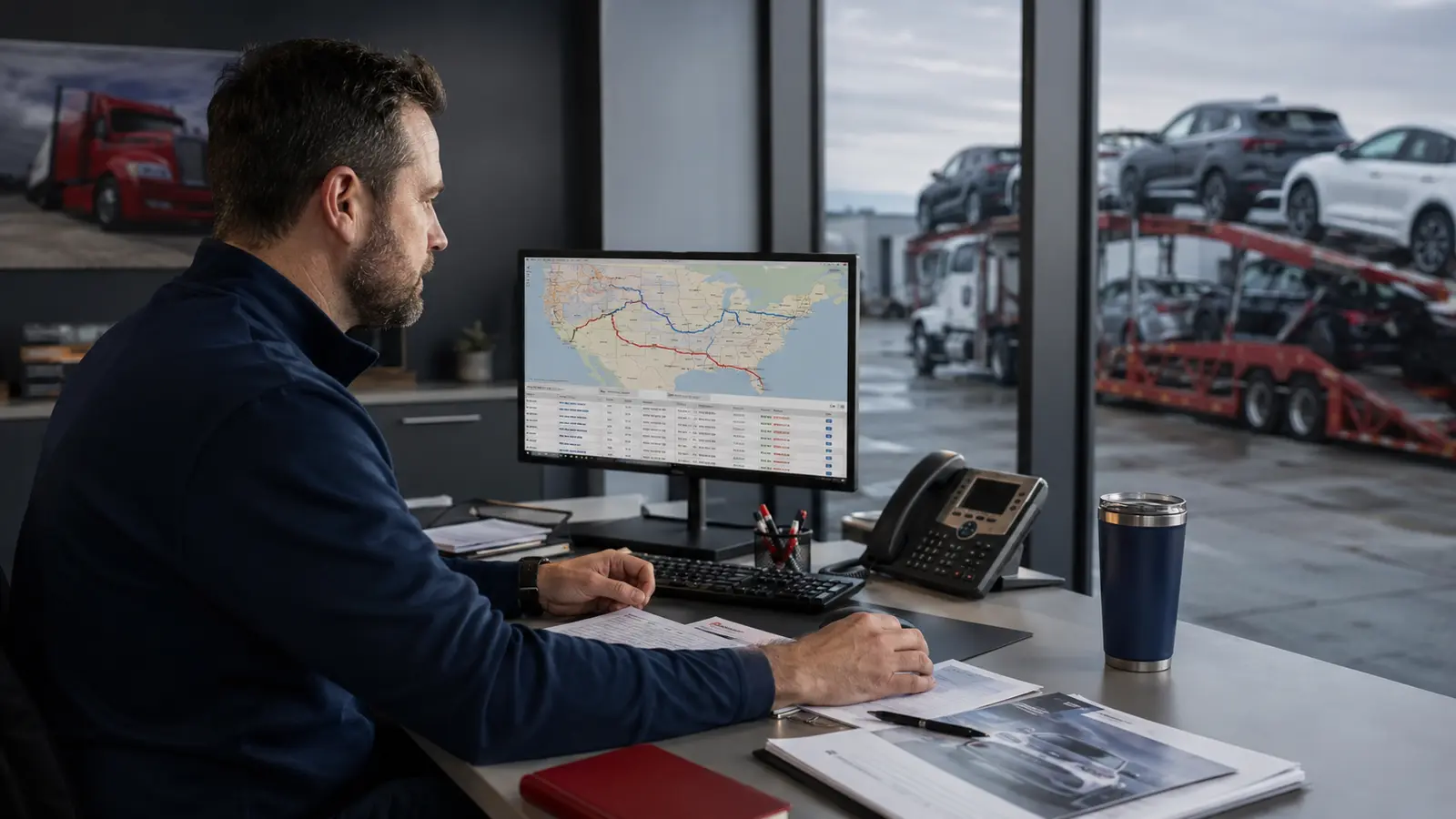
Recurring customers benefit from a standard intake process. A shared spreadsheet, structured email or transportation-management workflow can reduce missing information. NIKI can coordinate status updates with designated contacts and help separate urgent units from flexible inventory. For large moves, staged pickup may keep the auction yard, dealership and receiving location from becoming congested.
Volume does not eliminate the need for individual condition details. One inoperable unit can change the equipment required for the entire load. Likewise, a destination that cannot accept a full-size tractor-trailer may require nearby meeting points or smaller equipment. Route planning should account for both facilities before the first truck is assigned.
Need recurring auction transportation?
Ask about coordinated single-unit, multi-unit and dealer inventory moves.
Documentation, Inspection and Carrier Verification
Professional transportation is supported by records. Customers should keep the purchase confirmation, release instructions, dispatch details, bill of lading and available condition photos.
Before assignment, NIKI reviews carrier registration, operating authority and insurance information. Federal records can change, so verification is performed in connection with dispatch rather than treated as a one-time label. Customers may also review public carrier information through the FMCSA SAFER system.
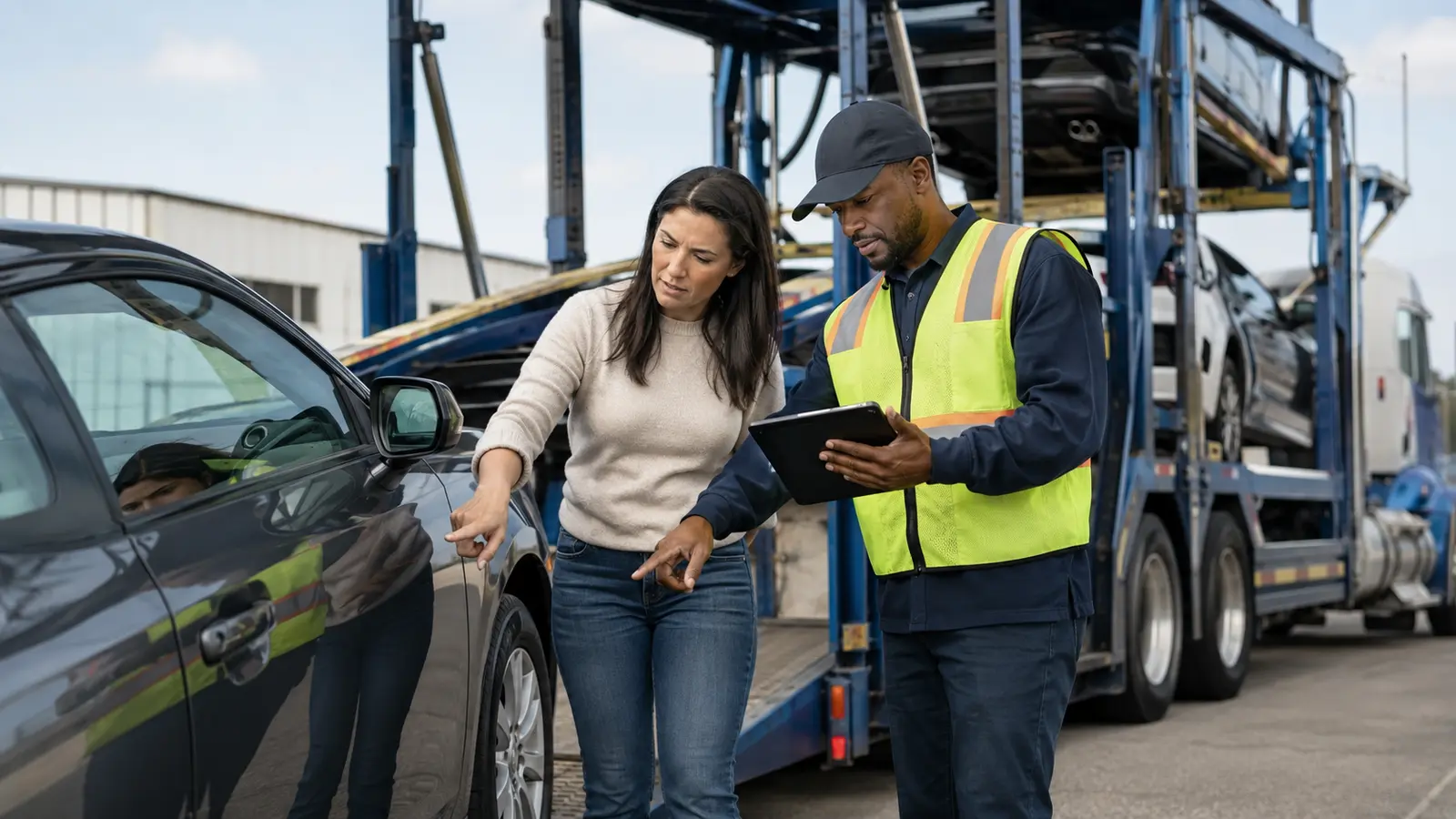
The bill of lading is both a transportation receipt and a condition record. At pickup, the driver notes visible condition when access allows. Auction vehicles may be dirty, tightly parked or restricted from detailed inspection, so buyers should retain listing photos and condition reports. At delivery, the receiving party should inspect in reasonable light, compare the vehicle with available records and note any new visible concern before signing.
Personal property should generally not be placed in an auction vehicle. Auctions may prohibit it, carriers may not accept it, and vehicle cargo is not handled like household-goods coverage. Loose items also create weight, visibility and damage risks. Keys and auction-provided documents should follow the release process rather than being hidden inside the vehicle without approval.
Physical Auctions, Online Auctions and Marketplace Purchases
The sale may occur online, but pickup always happens at a physical location. The transportation plan must follow the rules of the facility holding the vehicle.
Traditional auction facilities
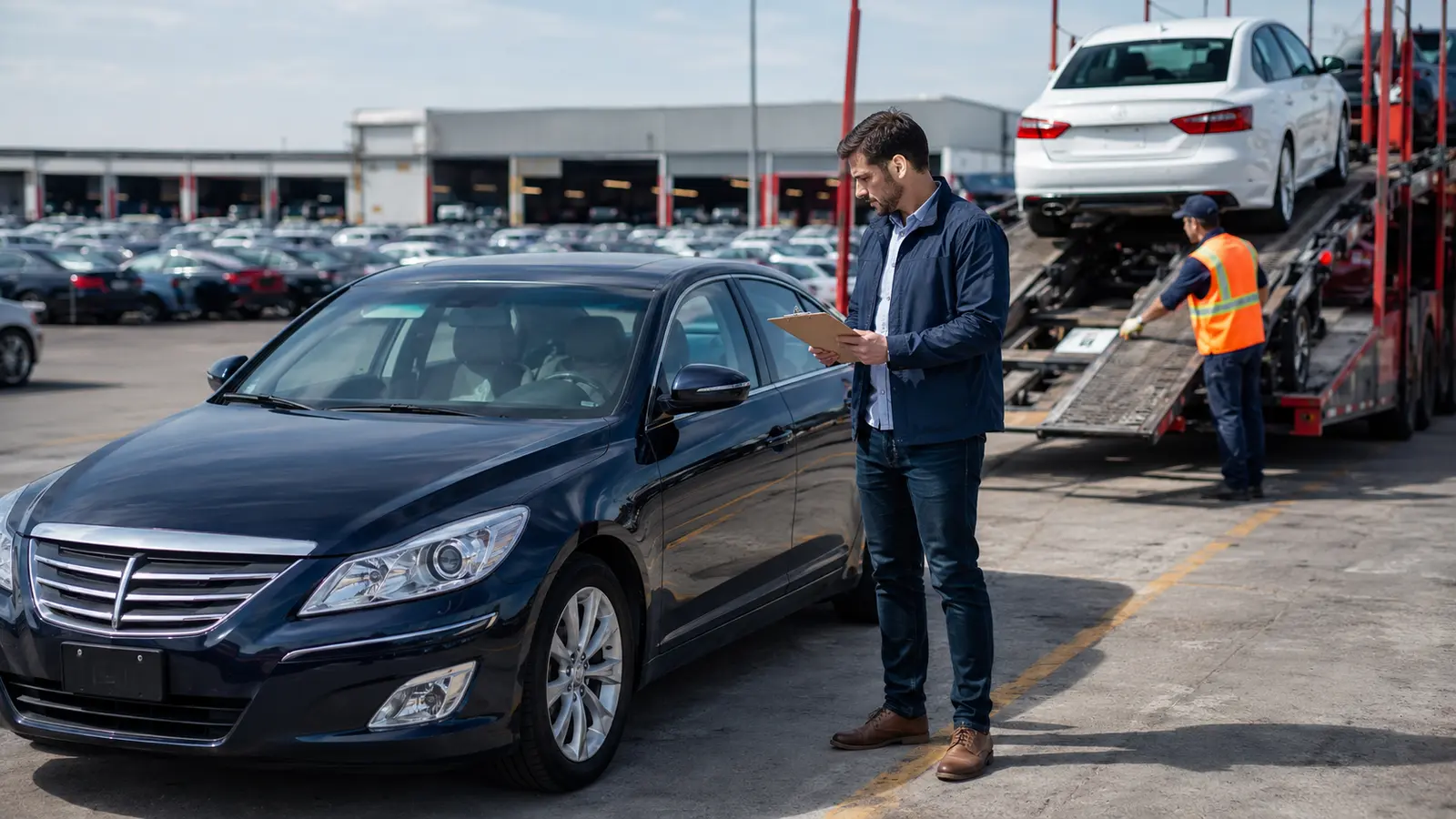
Large physical auctions may use transporter entrances, staging lanes, release offices and limited pickup hours. The driver needs the correct branch, lot location and buyer authorization before arrival.
Online salvage platforms
Online salvage purchases often involve inoperable or damaged units. Listing language should be supported by photos and direct condition questions because “run and drive” does not guarantee roadworthiness or standard-carrier loading.
Dealer-only marketplaces
Vehicles may be stored at dealerships, recon centers or third-party lots rather than a central auction. The pickup contact, business hours and release authority should be confirmed for the actual location.
Private marketplace transactions
When a platform connects a buyer and seller, the seller may release the vehicle directly. Payment and title matters remain between the transaction parties; NIKI coordinates transportation after the vehicle is available.
Industry Coordination and Auction Resources
Remarketing transportation connects auctions, carriers, dealers, consignors, buyers, repair facilities and financial institutions. Industry organizations publish education and standards that help participants understand those relationships.
National Auto Auction Association
Information and resources for the wholesale auto auction industry. Visit NAAA.
International Automotive Remarketers Alliance
Education and collaboration for automotive remarketing professionals. Visit IARA.
Auto Auction Car Transport FAQs
These answers cover the questions buyers and commercial clients ask most often. Exact requirements depend on the auction, vehicle and route.
Can NIKI pick up from Copart, IAA and other auction facilities?
NIKI coordinates pickups from many physical and online-auction storage locations, subject to the branch's release rules and carrier access. The customer must provide the correct facility, buyer or member number, lot number, VIN, gate pass and paid-and-released status. Pickup is arranged after those details and the vehicle condition are confirmed.
Does the auction vehicle need to run?
No. Inoperable auction vehicles can often be transported, but the exact condition must be disclosed. A unit that rolls, steers and brakes may load with a winch. Missing wheels, locked steering, major collision damage or loose components can require forklifts, roll-back service or specialized equipment at both ends.
What does “run and drive” mean for transportation?
Auction terminology does not guarantee that a vehicle can safely load on a standard trailer. Confirm whether it currently starts, stays running, moves, steers, brakes and has usable wheels and tires. Transportation equipment is selected from the vehicle's actual condition when pickup is scheduled.
Can a carrier pick up before my payment clears?
Usually no. Most auctions will not release a vehicle until payment and required documents are processed. Sending a carrier before release can cause a dry run, rescheduling and added cost. Confirm paid-and-released status and obtain the gate pass before dispatch.
How quickly can an auction vehicle be picked up?
Pickup timing depends on release status, route demand, vehicle condition, auction hours and suitable carrier availability. A broad window is more realistic than a same-day promise. If storage is approaching, provide the deadline immediately so expedited market options can be evaluated.
Who pays auction storage charges?
Storage is generally controlled by the auction's agreement with the buyer and is not included in normal transportation pricing. The customer should confirm free-storage dates and daily charges directly with the facility. NIKI uses that information for planning but does not control auction billing.
Can the vehicle be delivered to my home?
Yes, door-to-door coordination is available when the street is safe and legally accessible for the carrier. Low branches, narrow roads, gated communities, weight limits or local restrictions may require meeting the driver at a nearby wide parking area or commercial location.
Can NIKI deliver to a dealership or repair shop?
Yes. Provide the business name, full address, receiving hours and a contact who can inspect and sign for the vehicle. If the unit is inoperable, confirm that the destination has the equipment and space required to unload it safely.
Is open transport safe for an auction vehicle?
Open transportation is commonly used for standard vehicles and dealer inventory. The vehicle is secured to professional carrier equipment but remains exposed to normal road and weather conditions. Enclosed service may be preferred for rare, restored, exotic, luxury or highly protected purchases.
Do I need to be at the auction for pickup?
Usually not, provided the auction has all release documents and permits the assigned transporter to collect the vehicle. You or an authorized adult should be available by phone in case the facility or driver needs clarification. Someone must be available to receive and inspect at delivery.
Can personal items be placed in the auction car?
Do not place items in the vehicle unless the assigned carrier and facility expressly approve them. Auctions may prohibit personal property, extra weight can affect safety, and vehicle transportation coverage does not treat household contents as insured vehicle cargo.
How are damaged vehicles inspected?
The driver documents visible condition when access and safety permit. Auction yards may limit movement or detailed inspection, so buyers should save listing photos and condition reports. At delivery, compare the vehicle in good light and write any new visible issue on the bill of lading before signing.
Can several auction vehicles move together?
Potentially. Multiple vehicles with compatible origins, destinations, dimensions, condition and release dates may share equipment. Actual loading capacity depends on weight and size. Splitting the shipment can sometimes reduce storage exposure or improve scheduling.
How is an auction transport quote calculated?
Pricing reflects exact mileage, carrier activity, vehicle size, operating condition, trailer type, auction access, timing, season and destination requirements. Complete ZIP codes and accurate condition details produce a more useful quote than a broad city-to-city estimate.
What should I do when the vehicle arrives?
Meet the driver promptly, inspect the vehicle before signing, compare it with the pickup condition record and note any concern on the delivery bill of lading. Take clear photos and keep all transportation documents. Do not wait until after an unconditional signature to report visible damage.
Get a Personalized Auto Auction Transport Quote
Have the auction branch, lot number, vehicle condition, release date and delivery ZIP ready. NIKI will use those details to prepare a practical transportation plan.