
OEM Auto Transport & Finished Vehicle Logistics
Door-To-Door Auto Transport From OEM Plants And Ports To Dealer Networks
NIKI coordinates open and enclosed vehicle shipping from OEM Plants And Ports to Dealer Networks through licensed and insured motor carriers. Exact ZIP codes, vehicle details, access and the first available date create the most useful live plan.

A Trusted Auto Transport Team With 20+ Years Of Experience
NIKI Auto Transport combines more than two decades of industry experience with responsive shipment coordination. We arrange vehicle transportation through licensed and insured motor carriers and provide clear communication from quote review through delivery.
Distance, Transit Time And Current Pricing
Plan your OEM Plants And Ports to Dealer Networks vehicle shipment with broad route guidance, then request a live quote based on exact ZIP codes, vehicle details, condition and first available date.
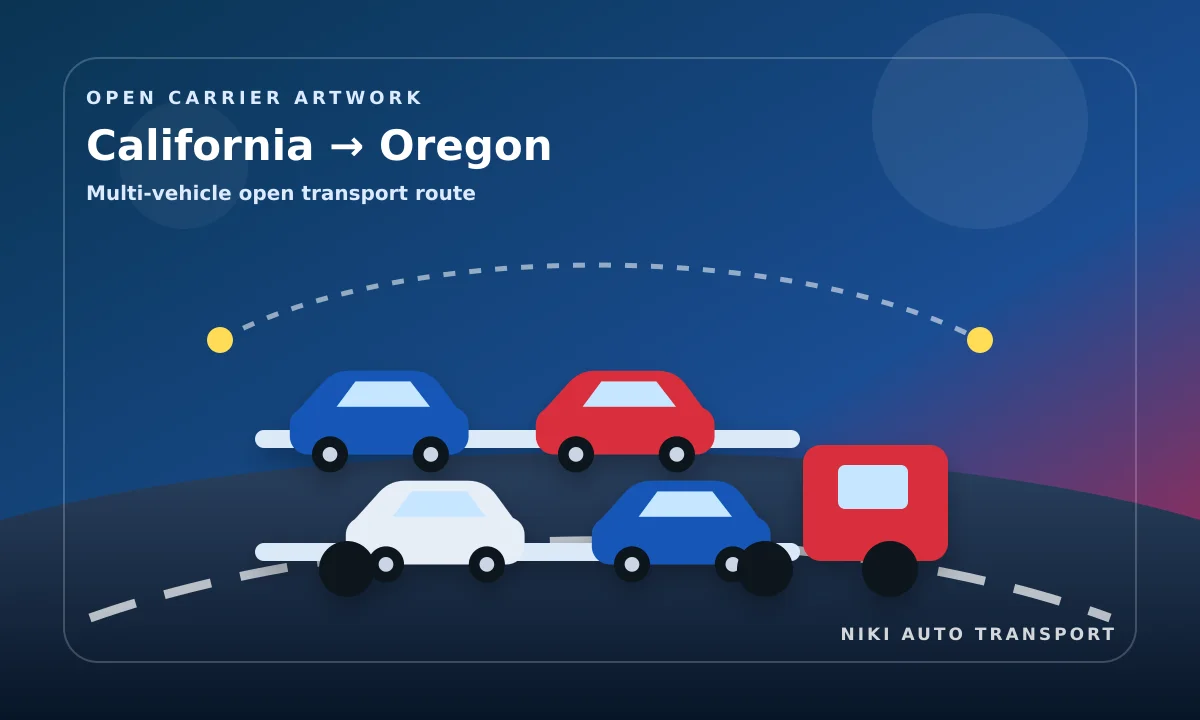
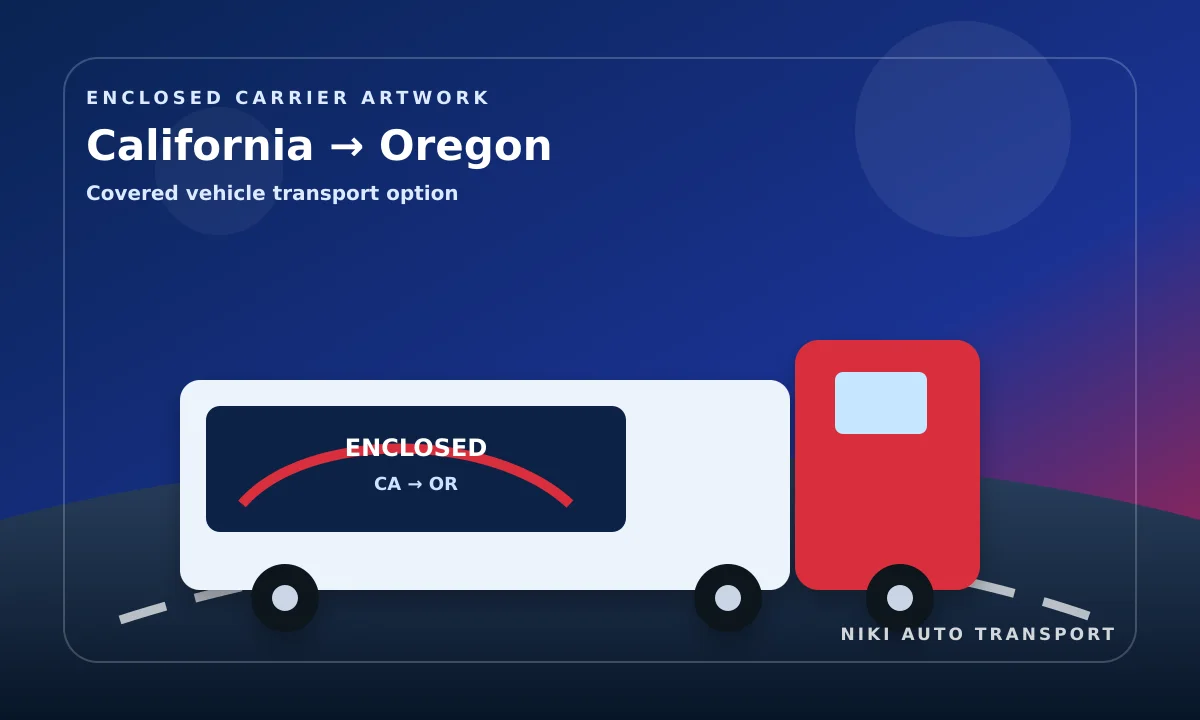
OEM Auto Transport & Finished Vehicle Logistics Overview
This interstate lane connects communities across OEM Plants And Ports with destinations throughout Dealer Networks. Common pickup markets include assembly plants, ports, rail ramps and finished-vehicle compounds, while frequent delivery areas include dealerships, distribution centers, auctions and fleet facilities. Actual availability depends on both complete ZIP codes, the direction of travel and space on compatible equipment.
A useful quote begins with the exact year, make and model, whether the vehicle runs, both complete ZIP codes and the earliest release date. Mileage alone does not determine the price. Trailer type, vehicle dimensions, demand, fuel, rural detours and local access also affect the transport plan.
NIKI acts as a federally authorized property broker coordinating transportation with licensed and insured motor carriers. The assigned carrier performs the physical transportation, and its driver completes the pickup and delivery inspections.
What Affects OEM Auto Transport & Finished Vehicle Logistics Cost?
Exact locations
Addresses near active carrier lanes generally provide broader availability than remote detours. Complete ZIP codes are essential.
Vehicle details
Large, modified, low-clearance or inoperable vehicles may need additional trailer space or special loading equipment.
Trailer choice
Open transport normally offers the widest availability. Enclosed equipment provides a covered environment and costs more.
Dates and demand
Flexible dates can help matching. Holidays, weather and one-way demand may reduce available capacity.
Online estimates are planning ranges until current shipment details and live carrier capacity are reviewed. A realistic plan is more useful than an unsupported low initial offer.
Open Vs. Enclosed Transport
Open trailers carry most standard vehicles and usually provide the broadest scheduling options. Vehicles remain exposed to ordinary road and weather conditions, much as they would while being driven. Enclosed trailers add a covered environment and are commonly selected for collector, exotic, restored, luxury and very low-clearance vehicles.
Tell the coordinator about ground clearance, modifications, non-running condition and unusual dimensions before dispatch. Accurate details help the carrier arrive with compatible equipment and reduce the risk of a failed pickup or last-minute change.
How The Shipping Process Works
Request a detailed quote
Provide both ZIP codes, the exact vehicle, running condition and first available date.
Review the plan
Confirm equipment, estimated pickup window, payment terms, contacts and access limitations.
Inspect and load
Photograph the vehicle and review the pickup bill of lading with the carrier.
Receive and reinspect
Compare vehicle condition before signing at delivery and retain all documents.
Dispatch time is separate from transit time. Dispatch covers locating and confirming appropriate equipment; transit begins after the vehicle is loaded. Arrival times remain estimates because traffic, weather, inspections, other stops and required driver rest can affect progress.
Pickup Planning In OEM Plants And Ports
Common pickup areas include assembly plants, ports, rail ramps and finished-vehicle compounds and surrounding communities. Access to scheduled plant, port and interstate logistics corridors supports major carrier lanes, but construction, congestion, gated properties, auction hours and dealership release procedures still need to be considered.
A full-size carrier may not safely enter a narrow residential street, low-clearance property or restricted downtown block. When necessary, the driver and customer coordinate a nearby legal meeting point, such as a spacious commercial lot. Provide the pickup contact, operating hours and any access restrictions before the carrier is dispatched.
Delivery Planning In Dealer Networks
Delivery may be coordinated in dealerships, distribution centers, auctions and fleet facilities and other destinations statewide. Access to nationwide finished-vehicle logistics lanes can support efficient routing, but the carrier’s complete schedule and safe truck access determine the final meeting point.
The driver generally contacts the receiving party while approaching and narrows the arrival estimate. Keep both contact phones active and avoid tying an unconfirmed delivery hour to a flight, closing appointment or hotel checkout. A trusted adult may receive the vehicle when authorized in advance.
Inspect the vehicle before signing. If there is a concern, write it on the bill of lading while the carrier is present, take clear photographs and retain all paperwork.
Preparing Your Vehicle
- Wash the exterior enough to document condition.
- Take dated photographs from every side.
- Remove valuables and loose accessories.
- Disable alarms and remove toll tags.
- Leave approximately one-quarter tank of fuel.
- Provide one working key.
- Disclose leaks, modifications and operability.
- Keep pickup and delivery paperwork.
Personal property is generally not treated as insured vehicle cargo. Do not load valuables or household items without express approval from the assigned carrier. Extra weight and blocked visibility can create safety and compliance problems.
Detailed OEM Auto Transport & Finished Vehicle Logistics Planning
A successful interstate shipment depends on more than the mileage shown on a map. The carrier combines compatible vehicles and stops, observes legal weight and height limits, schedules driver rest periods and reaches both locations during workable hours. NIKI reviews these operational details while coordinating the shipment.
Carrier lanes and scheduling
Pickup demand is concentrated around assembly plants, ports, rail ramps and finished-vehicle compounds, while common delivery markets include dealerships, distribution centers, auctions and fleet facilities. Addresses close to active corridors may offer broader carrier availability, but every shipment still depends on the driver’s complete schedule, equipment configuration and direction of travel.
Pickup windows are estimates rather than exact appointments until an assigned carrier confirms the approach. A truck can be delayed by another customer, weather, road closures, inspections or loading complications. Keep the pickup contact reachable and provide any dealership, auction, campus or gated-property hours before dispatch.
Urban, suburban and rural access
Urban addresses may involve traffic, parking restrictions, construction and limited room for a long trailer. Rural pickups and deliveries can require additional off-corridor mileage. If the address is not safely accessible, customer and driver choose a nearby legal location that protects the vehicle, truck and surrounding traffic.
Weather and seasonal demand
Seasonal moves, holidays, severe weather and imbalanced freight direction can change capacity. Flexibility around the first available date gives the coordinator more options, but no professional service can guarantee that weather, road conditions or inspections will never affect an estimated time window.
Communication and documentation
Confirm the vehicle, addresses, contact numbers and dates in writing. Keep the booking confirmation, carrier information, inspection reports, photographs and payment records together. Promptly report any change to the release date, vehicle condition, contact person or address because even a small change can affect equipment compatibility.
At pickup and delivery
The bill of lading documents vehicle condition and shipment details. Review it with the driver at both ends. At delivery, compare the vehicle with the pickup photographs before signing and record any concern while the carrier is still present.
Choosing A Reliable OEM Auto Transport & Finished Vehicle Logistics Provider
Compare more than the first advertised number. A professional quote should identify the vehicle, both locations, requested equipment, payment structure and estimated pickup window. Ask whether the company is acting as a broker, motor carrier or both, and confirm that role in the agreement.
Verify current federal registration through official FMCSA resources and review written terms before booking. Insurance documentation should relate to the motor carrier that physically transports the vehicle. Reviews provide useful context, but they do not replace current registration, accurate shipment information and a written agreement.
Be cautious when an offer is dramatically below other current estimates without a clear operational explanation. A low number does not reserve trailer space by itself. The shipment still needs an available, properly equipped carrier operating on the lane.
Questions to ask before booking
- Is the quote based on both complete ZIP codes?
- Is open or enclosed equipment specified?
- Are payment terms explained in writing?
- What pickup window is being estimated?
- How are access restrictions handled?
- Who provides the bill of lading?
- How is the assigned carrier identified?
- What happens if dates change?
OEM Auto Transport & Finished Vehicle Logistics FAQs
How much does oem auto transport & finished vehicle logistics cost?
Pricing depends on both ZIP codes, vehicle size and condition, open or enclosed equipment, seasonal demand, fuel and live carrier capacity.
How long does shipping take?
Transit is estimated after pickup and depends on distance, traffic, weather, inspections, driver rest requirements and the carrier’s other scheduled stops.
Is door-to-door service available?
Yes. Service is coordinated as close to each address as a large carrier can safely and legally access.
Can I use enclosed transport?
Yes. Enclosed equipment adds a covered environment and is often selected for high-value, collector, restored or low-clearance vehicles.
Can an inoperable vehicle be shipped?
Often yes, but the condition must be disclosed because loading equipment and additional labor may be required.
How early should I schedule?
Requesting service early generally provides more options, especially around holidays, seasonal moves and limited-availability dates.
Get A Personalized OEM Auto Transport & Finished Vehicle Logistics Quote
Share both ZIP codes, vehicle details, condition and first available date, or call (818) 732-1805.