
 Real-time tracking & dedicated support
★ Trustpilot
★★★★★

“Thank you for your great service and giving me the best price. I would like to recommend NIKI Auto Transport to everyone.”
Read on Trustpilot

Plan your California car shipping with NIKI Auto Transport, from neighborhood pickup through destination inspection. Tell us which vehicle is moving, where it is located and when it can leave. Our team coordinates open or enclosed equipment for personal moves, purchased vehicles and business shipments.
NIKI arranges California vehicle shipping for homes, workplaces, dealerships and other accessible addresses. Your coordinator confirms a suitable loading location with the assigned carrier before pickup.
Plan your California car shipping with NIKI Auto Transport, from neighborhood pickup through destination inspection. Tell us which vehicle is moving, where it is located and when it can leave. Our team coordinates open or enclosed equipment for personal moves, purchased vehicles and business shipments.
NIKI arranges California vehicle shipping for homes, workplaces, dealerships and other accessible addresses. Your coordinator confirms a suitable loading location with the assigned carrier before pickup.
 FMCSARegistered
 USDOTRegistered
“Thank you for your great service and giving me the best price. I would like to recommend NIKI Auto Transport to everyone.”
Read on Trustpilot“Absolutely amazing service from start to finish. They were professional, the rate was competitive, and the process was headache-free.”
Read on Trustpilot“They were easy to reach, patient with my questions, and clear about what would happen next. My car was delivered safely.”
Read 5-Star Review“Premium service with the NIKI booking agent and customer-service team, with on-time pickup and delivery.”
Read NIKI reviews#1 choice for reliable auto shipping
Get an instant quote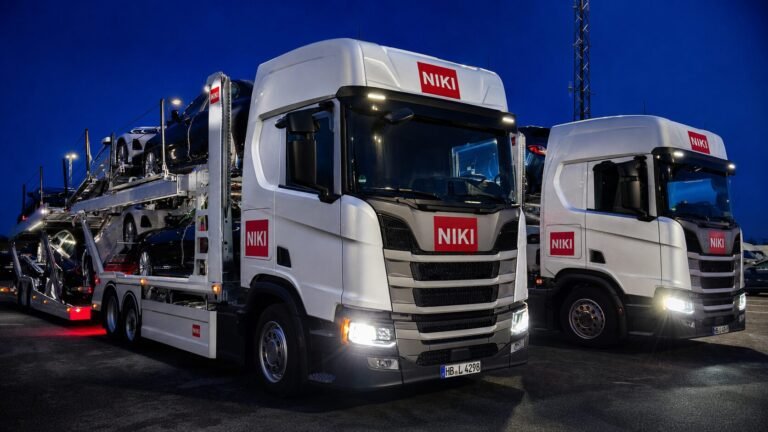
California car shipping starts with a few concrete decisions: the addresses, the vehicle, the first available pickup date and the equipment you prefer. A Los Angeles apartment, a Sacramento dealership and a mountain driveway can each need a different collection plan. NIKI helps you work through those details before the vehicle moves. This guide brings together practical information for comparing services, preparing a car, reading an estimate and handling delivery. You will find example costs, a route directory, California locations and answers to common questions. Use the information to organize your move, then request a written quote for your actual shipment. Tell your coordinator about tight access, modifications, storage deadlines or an inoperable vehicle early, so those requirements can be considered when the carrier and pickup window are arranged.
A vehicle shipment has to fit around a house move, a dealership release or a flight. When you are moving state to state, start by separating the day the car becomes available from the day you need it delivered. That distinction gives your coordinator a pickup window. For California auto transport, also explain parking restrictions and whether a trailer can enter the property. NIKI uses those details to discuss equipment and handoff arrangements, helping you prepare for collection without assuming that every residential street accommodates a transporter.
NIKI’s California car shipping team works from your shipment details, including the vehicle’s dimensions, current operating condition and pickup access. Accurate information at booking helps the assigned carrier bring suitable equipment and agree on a practical collection arrangement.
Compare open and enclosed auto transport around the car’s specific transport needs. Open equipment suits many everyday vehicles. An enclosed trailer can be preferable for a restored finish, low ground clearance or a valuable collection vehicle. Describe any modifications before choosing your service.

Build your California vehicle shipping budget around a specific route and vehicle. The reference examples below list approximately $500 for San Francisco to Los Angeles, with one to two days in transit, and approximately $1,200 for Los Angeles to New York, with seven to ten days in transit. These published illustrations are not NIKI offers. Request a current written estimate covering your ZIP codes, equipment, vehicle condition and pickup window before making payment or final travel arrangements.

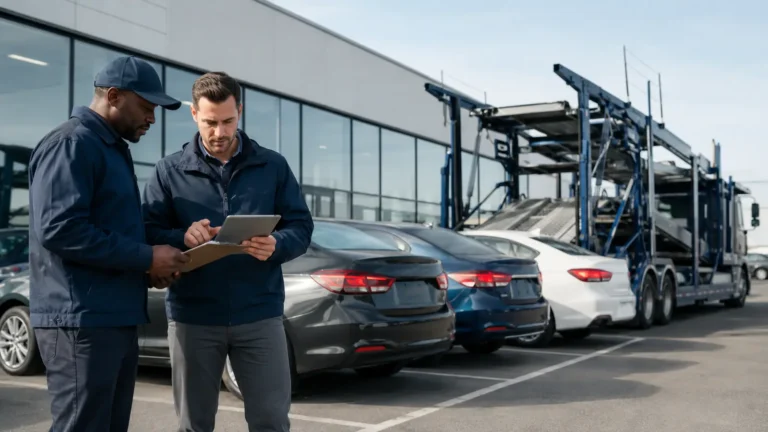
Start with your vehicle’s year, make, model and operating condition, followed by both ZIP codes and the earliest release date. A California car shipping coordinator can then discuss the trailer type and access requirements. Once arrangements are confirmed, prepare the vehicle, meet the driver for an inspection and retain the condition report until your delivery has been completed.
A pickup window and a transit estimate describe different stages of the move. Ask how each applies to your booking and who will communicate changes. NIKI’s car transport process follows the same practical milestones: review the shipment, coordinate collection, transport the vehicle and document the handoff when it reaches the receiving contact.
A clear plan gives both you and the driver the information needed for a smoother handoff. Keep your booking confirmation, contact numbers and vehicle photographs together. The following three stages explain what to arrange ahead of time and what to check while your California vehicle shipping is taking place.
Provide the vehicle description, the release contact and the delivery contact. Mention an aftermarket lift, oversized tires, lowered suspension, roof equipment or mechanical problems before accepting a quote. Review the pickup window, payment schedule and cancellation terms in writing. If the vehicle is at an auction or dealership, confirm that release paperwork and payment are complete.
The pickup contact should bring the keys and allow time for a walkaround. Photograph the exterior in light, note existing marks and compare those observations with the driver’s condition report. Point out starting instructions or clearance concerns before loading begins. Both parties should understand the recorded condition before signing. Keep your copy of the Bill of Lading and the driver’s contact details available throughout transportation.
Stay reachable while the vehicle is traveling and give the receiving contact the delivery window. Traffic, weather and other stops can affect that estimate. At delivery, inspect the car before signing the final condition report. Record any new issue clearly and contact NIKI promptly with photographs and the relevant shipment documentation.
Searching for California vehicle shipping near you is useful when you compare service coverage and pickup access. An office address alone does not show which carrier will handle a move. Ask NIKI about your route, the trailer needed for your vehicle and the practical arrangements for collection at your home or business.
California auto transport serves many different situations: a purchased car awaiting release, a student move, a household relocation or a vehicle traveling to an event. Each has different contact arrangements and timing constraints. Provide the information that could affect your move instead of relying on a statewide estimate. NIKI can discuss available service options and the next steps for your shipment. Before booking, make sure the written terms describe the vehicle, locations and agreed service clearly.
Enter your vehicle and route details to request current California car shipping pricing.
Select California vehicle shipping service around the vehicle, budget and journey. Trailer protection, loading equipment and pickup flexibility matter. NIKI coordinates open transport, enclosed transport and interstate moves; these options explain the differences to discuss before booking your vehicle.

With open carrier transport, cars travel on an uncovered vehicle trailer. It is an option for many daily drivers, SUVs and pickups. Explain the vehicle’s size and condition and prepare for ordinary outdoor exposure during transit. Ask about loading access and the pickup window when reviewing your quote.
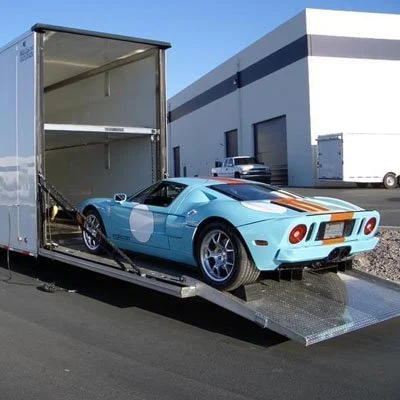
Choose enclosed carrier transport when additional shelter is a priority. The trailer surrounds the vehicle during the journey, limiting exposure to weather and road debris. Equipment still varies: a low sports car may need a particular ramp or liftgate arrangement. Tell NIKI the actual ground clearance, dimensions and any special handling requirements so those details can be considered before a carrier is assigned.

Cross-country car shipping plans connect California with distant interstate destinations while avoiding a lengthy road drive in your own vehicle. Treat arrival estimates as a window and keep the receiving contact available. If you are flying ahead or leaving temporary housing, discuss backup handoff arrangements. A clear release plan helps avoid missed connections while the carrier completes the scheduled route.
A low number on an estimate does not explain the service. Compare what is included, when charges become due and which events can change the price. Review the pickup window, cancellation terms and carrier information before selecting California vehicle shipping company.
NIKI encourages customers to clarify vehicle requirements and read the booking terms before transport. Discuss the route with the team, ask how updates will be provided and keep the estimate with your vehicle records throughout the shipment.
The useful California vehicle shipping savings usually come from decisions you can make before dispatch. Accurate vehicle information avoids surprises, a wider window provides more scheduling options and accessible loading points can simplify collection. Work through those choices with your coordinator before fixing a narrow deadline. A sensible comparison includes the full service terms and timing, as well as the quoted amount.
Use the following planning steps when comparing California vehicle shipping options. Ask which adjustments could affect your quote, and keep vehicle protection and timing central to the decision.
Prepare the vehicle before the carrier arrives. Photographs, a clear interior and correct operating information make the pickup inspection easier and help avoid delays at the loading point.
Photograph all sides, the roof, bumpers and wheels before collection. Capture close views of existing marks and keep the images dated. Compare them with the pickup report before signing the document.
Remove valuables, loose electronics, personal documents and other belongings before pickup. Check the trunk and storage compartments as well as the cabin. Ask the assigned carrier about any permitted items; never assume that personal possessions receive the same coverage as the vehicle itself.
Follow the carrier’s fuel instructions. Approximately a quarter tank is commonly sufficient for loading and unloading. For an electric vehicle, request the appropriate battery charge level and explain any special operating or recovery instructions before pickup.
Arrange delivery with a contact who can inspect the vehicle and sign the paperwork. In California, a narrow street, steep driveway or restricted community may require a nearby meeting point. Confirm the location before the truck arrives. Keep your pickup photographs and condition report ready, and leave enough time for a check in suitable light.
Walk around the vehicle with the driver and compare its condition with the pickup photographs and report. Check visible panels, bumpers, wheels and glass. If you identify a new concern, photograph it and have it documented before signing. Keep the delivery paperwork and contact NIKI promptly so you can discuss the appropriate next steps.
Check the keys, removable accessories and any documented equipment against the pickup record. If something appears missing, tell the driver before completing the handoff and retain a account with your shipment documents.
Read the delivery report before signing and make sure it reflects your inspection. Keep a copy, including any exceptions. Follow the payment arrangements in your booking confirmation and request a receipt for payments.
| Route | Distance | Transit after pickup | Your shipment |
|---|---|---|---|
| California to New York | 2,846 miles | 6–8 days | Get Quote |
| California to Florida | 2,658 miles | 6–8 days | Get Quote |
| California to Texas | 1,782 miles | 4–6 days | Get Quote |
| California to Pennsylvania | 2,688 miles | 6–8 days | Get Quote |
| California to Georgia | 2,465 miles | 5–7 days | Get Quote |
| California to Virginia | 2,789 miles | 6–8 days | Get Quote |
| California to Illinois | 1,961 miles | 4–6 days | Get Quote |
| California to Ohio | 2,339 miles | 5–7 days | Get Quote |
| California to Michigan | 2,247 miles | 5–7 days | Get Quote |
| California to North Carolina | 2,790 miles | 6–8 days | Get Quote |
Use our car shipping calculator to get an instant price quote for your exact type of shipment. Provide both locations, vehicle details and available dates. Published examples are planning references. Final pricing and pickup arrangements require review of your shipment, equipment needs, access conditions and current carrier availability.
Customer comments can help you assess communication and handoff experiences. Read the NIKI reviews supplied below, then visit the linked sources and compare the transport terms before arranging your California vehicle shipping.
Trust starts with clear expectations. Ask NIKI who will collect the vehicle, how updates are communicated and what to prepare before pickup. Keep those details with your quote, photographs and booking confirmation throughout the move.
California’s geography creates very different vehicle collection conditions. Its Pacific coastline, inland valleys, desert communities and mountain towns each require planning. A route between two major cities may have different equipment options from a shipment leaving a remote community. Give NIKI exact locations when requesting California car shipping pricing.
The state’s major destinations include Los Angeles, San Diego, Sacramento, San Jose and the San Francisco Bay Area. University calendars, residential moves, dealerships and vehicle purchases all generate transport needs. The Central Valley provides connections between northern and southern markets, while coastal and mountain addresses can require additional access planning. If a car is moving to temporary accommodation, confirm that the receiving property allows a large trailer nearby. California car shipping works best when both contacts understand where the handoff will occur and how they will remain reachable on the day.
Ask NIKI about vehicle requirements, pickup access or booking details before choosing your California vehicle shipping service and schedule.
NIKI coordinates California vehicle shipping in major cities, suburbs and smaller communities. Share the collection and delivery addresses so the assigned carrier can assess access, plan the route and agree on a suitable vehicle handoff location.

Tell NIKI your locations, vehicle and timing to request a shipment-specific written quote.
Explore routes below to plan your California car shipping and request pricing.
Carrier availability
Checked by route
Confirm equipment and collection options for your shipment.
Service options
Choice
Choose suitable equipment for the vehicle you are moving.
Vehicle pickup scheduling
Confirmed individually
Discuss your preferred first available date and any fixed deadlines.

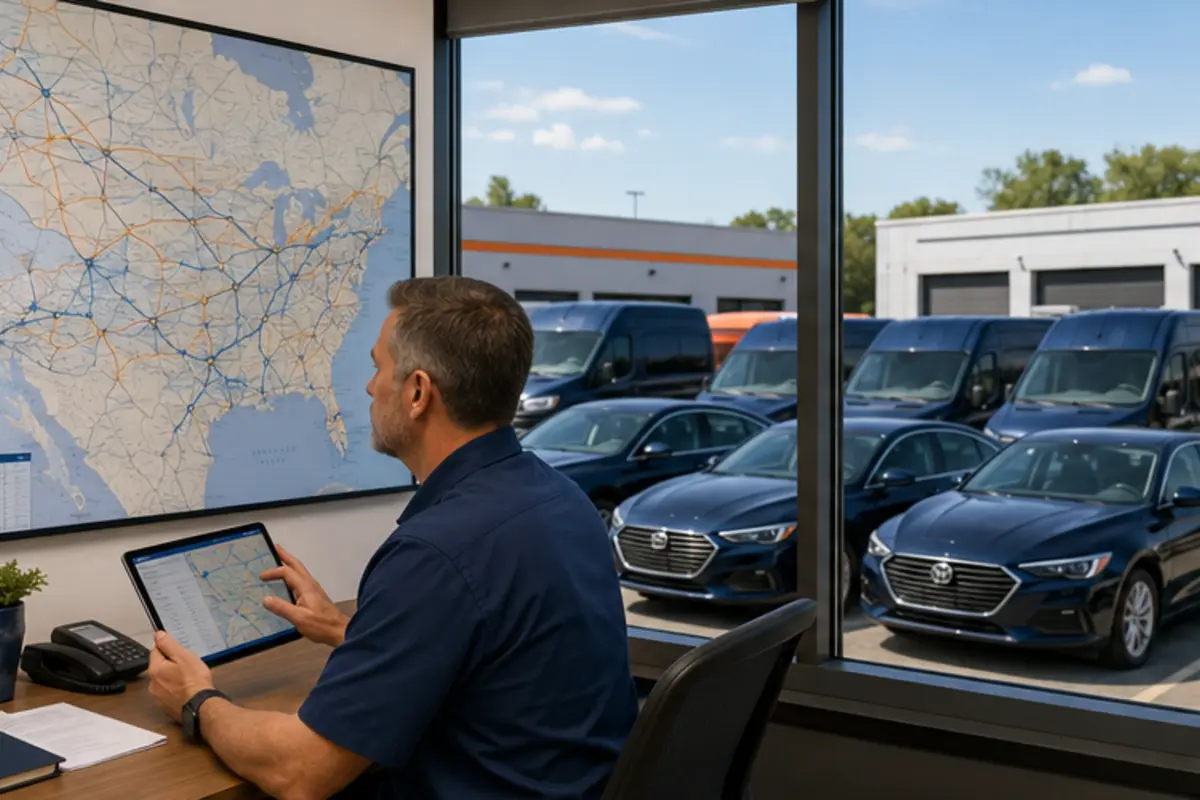


Find answers about California car shipping, vehicle preparation, pickup arrangements and your delivery inspection below.
Explore NIKI’s process and services, then discuss details that matter most for your California shipment.


