
Affordable vehicle transport planning
Cheap Car Shipping
How to Lower Auto Transport Cost Without Sacrificing a Realistic Plan
NIKI helps customers compare honest cost factors, open and enclosed options, timing and carrier access. The cheapest usable quote is the one that accurately reflects your vehicle and route.
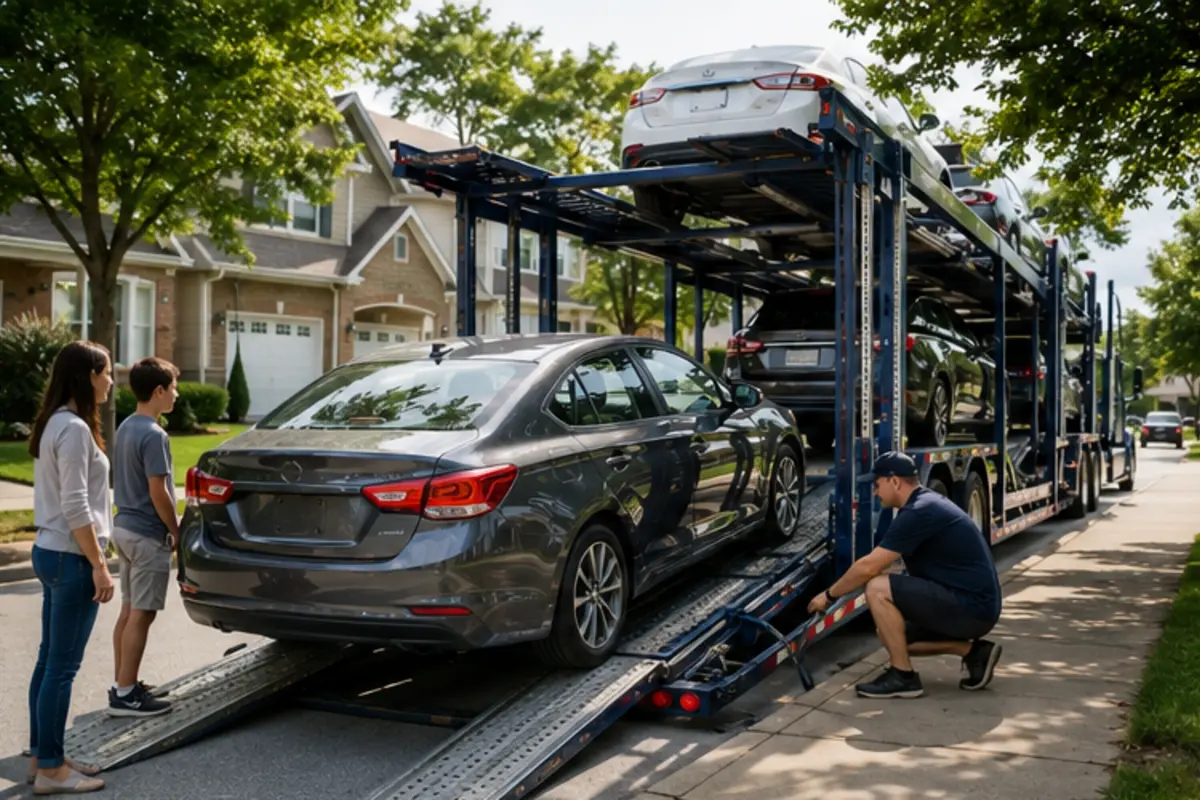
Affordable, Transparent and Route-Specific
Compare the complete service, not only the smallest advertised number.

Thousands of Happy Customers
See NIKI Auto Transport Customer Feedback
Review recent customer comments on Facebook, then call to discuss your exact vehicle, ZIP codes and schedule.
20 Years of Auto Transport Experience, Backed by Verifiable Registration
NIKI coordinates affordable nationwide vehicle transportation through licensed and insured motor carriers. We mention registration status without publishing sensitive or unnecessary registration numbers.
Verify current operating status directly through the FMCSA SAFER system, or call (818) 732-1805 for help reviewing your shipment.
What Cheap Car Shipping Should Mean
Affordable auto transport should reduce unnecessary cost without hiding the route, equipment, responsibility or terms.
A low number is useful only when it can realistically secure a qualified carrier for the vehicle and lane. Quotes based on incomplete details may change when the pickup approaches. Accurate ZIP codes, vehicle size, condition, date and trailer preference produce a more meaningful comparison.
NIKI coordinates transportation through licensed and insured motor carriers. The assigned carrier performs the physical move and documents pickup and delivery on the bill of lading. That role distinction matters when comparing companies that may describe themselves as the truck owner even when they are arranging service.
The least expensive option for a running sedan between active metropolitan areas is usually different from the best option for an oversized pickup, inoperable SUV, remote address, classic car or strict deadline. Cheap does not mean every shipment should use identical equipment or timing.
A realistic quote explains what can change: exact local mileage, equipment supply, seasonal demand, fuel, tolls, vehicle dimensions, operability and the direction of available carrier traffic. Customers can then choose based on value instead of a headline price alone.
Eight Factors That Affect Affordable Car Shipping Rates
Understanding the inputs makes it easier to control what can be controlled.
Pickup and Delivery ZIP Codes
Carrier access is strongest on active lanes. Rural, mountain, island, coastal or congested addresses can add repositioning, tolls or difficult local miles.
Vehicle Size and Weight
A large SUV or truck uses more trailer capacity and affects legal load planning. Accurate dimensions are essential for modified vehicles.
Running Condition
An inoperable vehicle may need a winch and compatible loading position. Locked wheels, seized brakes or missing components can require special equipment.
Open or Enclosed Trailer
Open equipment has the broadest supply. Enclosed trailers add a covered environment and are more specialized.
Season and Direction
Snowbird flow, summer moves, holidays, auctions, storms and one-way demand can tighten capacity in one direction.
Date Flexibility
A genuine pickup window can help match an existing carrier route. A same-day or exact-day request narrows the pool.
Fuel, Tolls and Road Conditions
Carriers price real operating cost, not only straight-line mileage. Traffic, mountain grades and toll facilities matter.
Current Carrier Capacity
Live equipment near the route can matter more than an old average. Capacity changes by week and lane.
Customers often focus on distance because it is easy to see on a map, but two equal-mile routes can have very different carrier demand and access. A route already served by regular vehicle traffic may be easier to combine with other stops than a remote pairing.
Vehicle details are equally important. A standard sedan fits trailer planning differently from a lifted pickup, long-wheelbase van or low exotic car. Sharing photographs and measurements early can prevent a failed pickup or last-minute equipment change.
Want a lower-cost plan that still makes sense?
Call with the complete ZIP codes, vehicle, condition and dates. NIKI will review current route variables.
Ten Practical Ways to Save on Car Shipping
- 1
Choose Open Transport for a Standard Vehicle
Open equipment serves most everyday vehicles and has the broadest nationwide availability. Enclosed service should be selected for the protection preference and vehicle, not assumed necessary for every shipment.
- 2
Offer a Realistic Pickup Window
Several workable dates can help match the vehicle with a compatible route. Never offer dates when the vehicle or contact will not be available.
- 3
Use Accessible Meeting Points
A safe lot near a major road can reduce difficult local travel when a residential street is narrow, restricted or far from active lanes.
- 4
Book Before the Last Minute
One to three weeks is helpful for many moves. Extra lead time supports remote lanes, peak seasons and special equipment.
- 5
Disclose the Exact Vehicle Condition
Accurate operability avoids sending a trailer without required winch or loading equipment.
- 6
Avoid Unnecessary Storage
Coordinate contacts and facility hours so the carrier can load and deliver without terminal, auction or holding delays.
- 7
Compare Complete Written Terms
Review payment timing, cancellation terms, included service and the process for carrier assignment.
- 8
Prepare the Vehicle Properly
Remove loose items, provide a key, keep enough fuel for loading and resolve simple mechanical issues before pickup.
- 9
Keep Contacts Reachable
Missed calls can delay a truck and cause added local mileage. Add an authorized backup adult when useful.
- 10
Question a Price Far Below the Market
Ask how the number was calculated and what happens if qualified carriers do not accept it. A realistic starting quote can be less expensive than a failed pickup.
Open vs. Enclosed Transport: Which Is the Better Value?
Open Carrier Value
Open trailers are the standard choice for sedans, crossovers, SUVs and pickups. Several vehicles share compatible trailer capacity, which supports broad lane coverage.
The vehicle is exposed to normal highway conditions, similar to driving on the road, while secured to purpose-built equipment.
Enclosed Protection
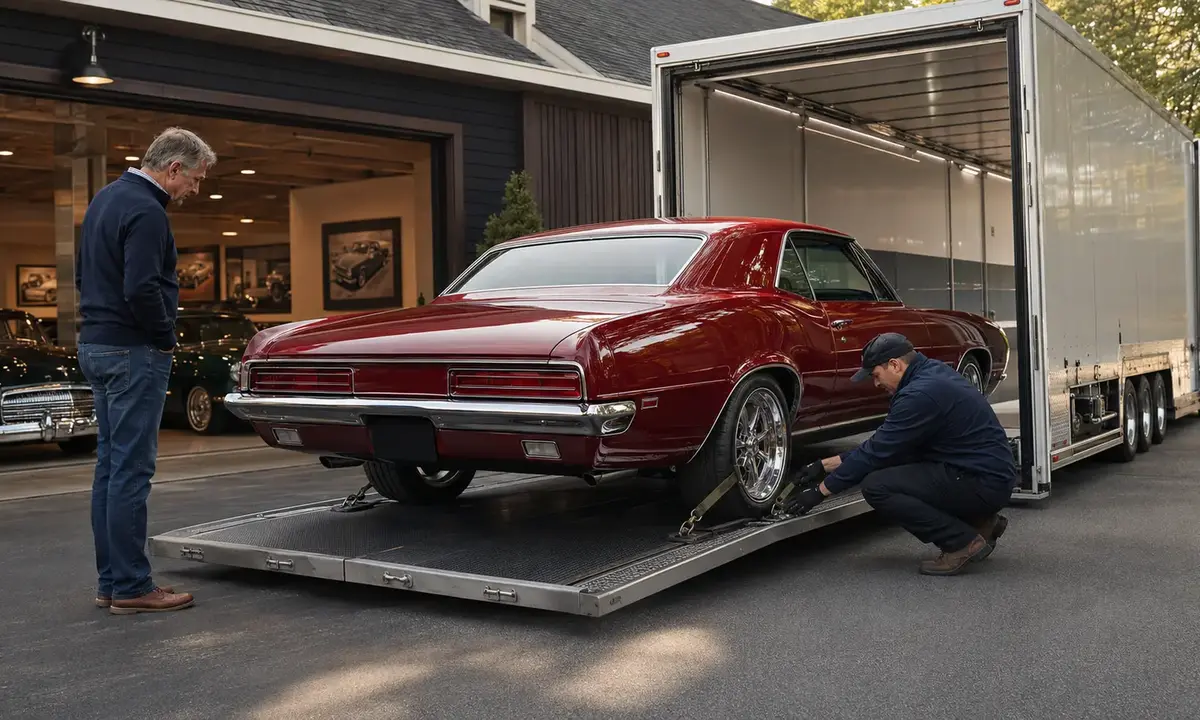
Enclosed trailers add walls and a roof and are often requested for classic, exotic, luxury, restored, rare or very low-clearance vehicles.
The smaller equipment pool and specialized service normally cost more. Share measurements and loading needs before booking.
Inoperable Vehicle Review
A non-running vehicle can often ship when it rolls, steers and brakes and a winch-equipped carrier is available. More severe mechanical limits can require a different loading solution.
Expedited Timing
A narrow deadline can be reviewed against live capacity, but faster pickup commonly affects price. No safe carrier can ignore traffic, weather, access or driving-hour rules.
How to Compare Car Shipping Quotes
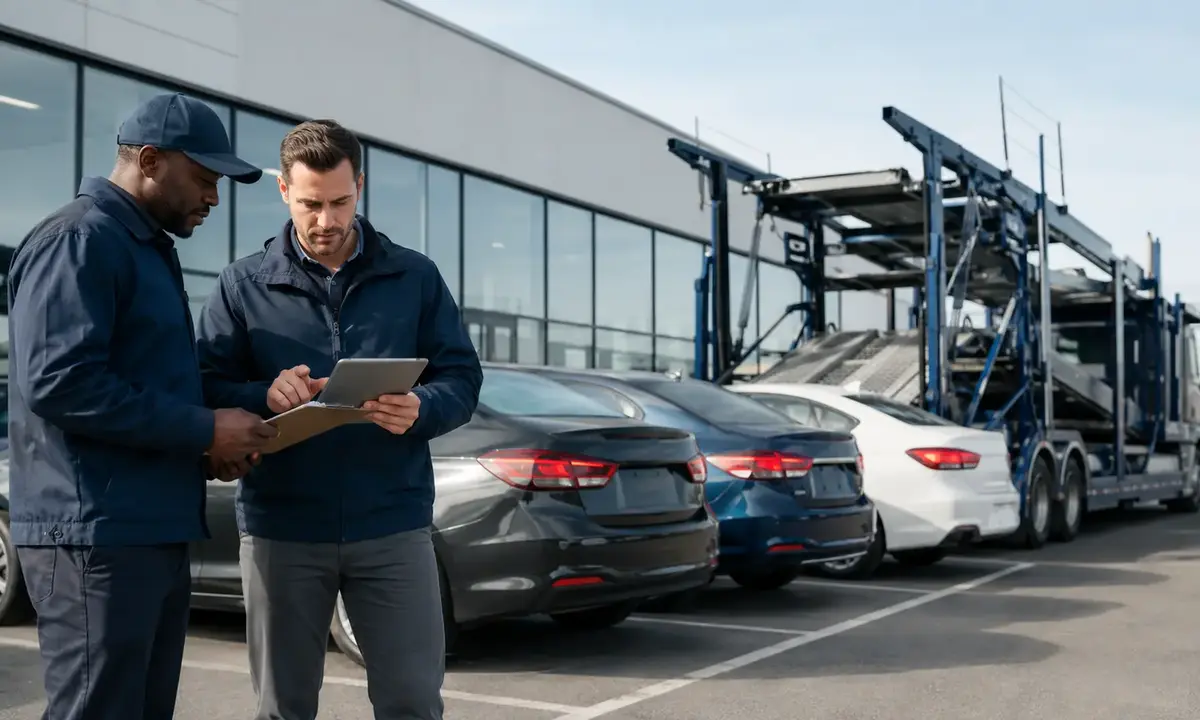
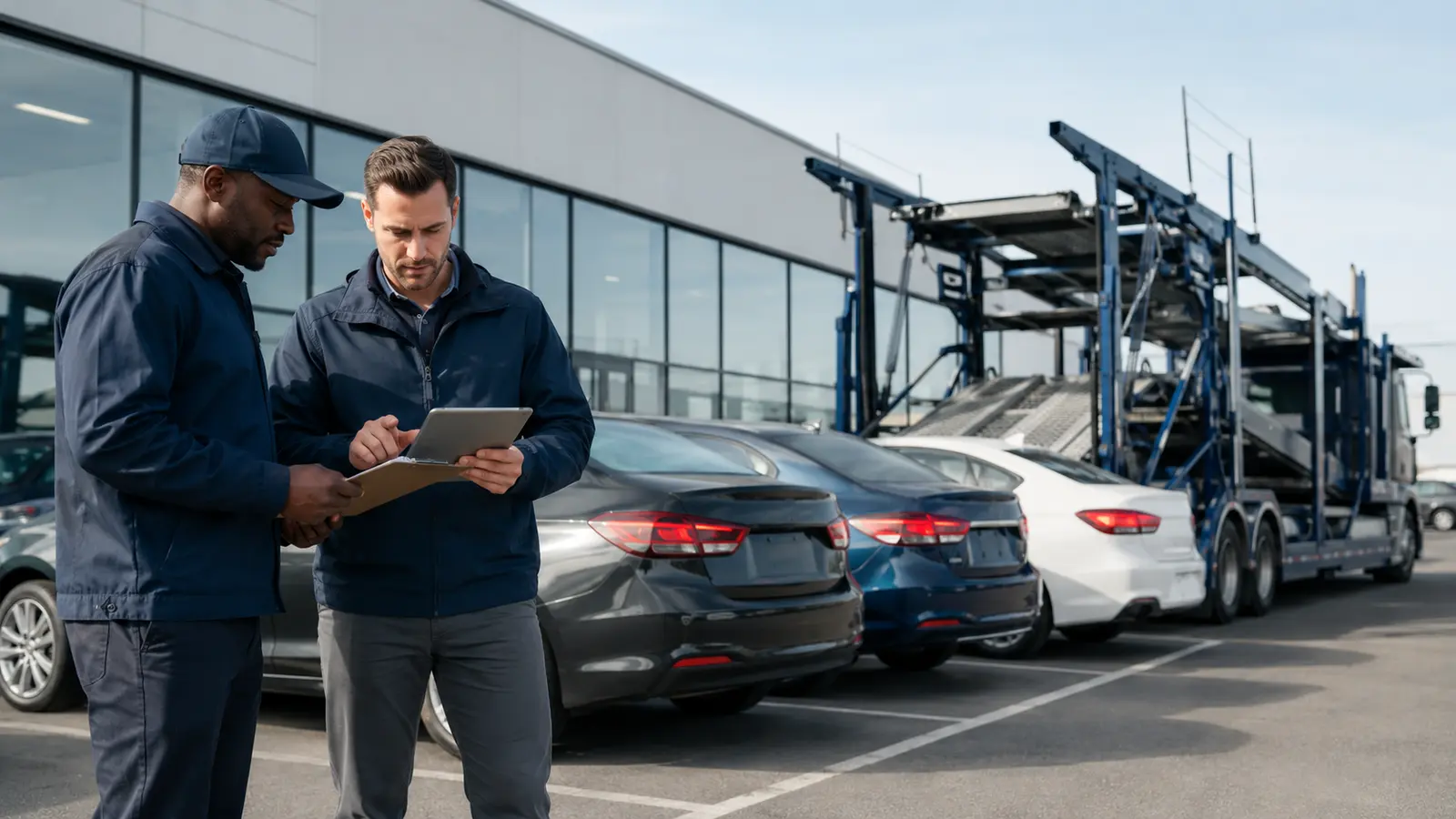
Begin by making every quote request consistent. Use the same ZIP codes, vehicle, condition, first available date, equipment preference and contact requirements. A comparison is not useful when one company prices open transport and another prices enclosed service.
Ask whether the company is a broker, carrier or both, and verify current federal status through official resources. A broker coordinates a motor carrier; the assigned carrier performs the physical transport. Clear roles help customers understand documents and communication.
Read written terms before paying. Review cancellation conditions, payment timing, what happens when shipment details change and how carrier assignment is confirmed. Do not rely only on a phone statement that is absent from the agreement.
Question a number that is dramatically lower without a clear operational reason. The carrier must still cover fuel, driver time, insurance, equipment, tolls and route miles. An unrealistic offer may remain unaccepted as the pickup date approaches.
Compare communication quality. A coordinator should ask about vehicle dimensions, operability, low clearance, gate rules and contact availability. Those questions are evidence that the shipment is being planned, not simply entered as a generic sedan.
Door-to-Door, Terminal and Meeting-Point Options
Door-to-door coordination is usually the most convenient choice, but it means service as close to the addresses as safe and legal truck access permits. Long auto carriers may not enter narrow streets, low-clearance areas, soft private roads or restricted communities.
A nearby commercial lot, dealership, truck stop or wide public street can simplify inspection and loading. Meeting points are particularly useful around dense downtowns, gated properties, mountain roads, ferry-dependent areas and neighborhoods with heavy parking.
Terminal service is not automatically cheaper. Storage, handling, terminal hours and local transportation can offset savings. Compare the complete cost and inconvenience before choosing a terminal only because the label sounds economical.
At auctions and dealerships, confirm release documents, buyer or stock numbers, gate passes, business hours and loading conditions. A driver who cannot obtain the vehicle may need to leave for the next scheduled stop.
Cheap Car Shipping for Common Customer Needs
Household movers can reduce pressure by separating vehicle transport timing from flights, hotel checkouts and closing appointments. Keep a cushion around estimates and authorize a trusted adult when needed.
Online buyers should verify the seller, exact location, title or release process, running condition and keys before booking. A low purchase price does not guarantee simple loading.
Students and seasonal residents benefit from accessible campus or community meeting points and realistic date windows. Avoid waiting until the day before travel to request nationwide pickup.
Dealers and businesses moving multiple vehicles should provide an accurate unit list, dimensions, operability and facility hours. Shared pickup may improve logistics, but each unit still uses trailer capacity and requires condition documentation.
Classic and luxury owners should evaluate value beyond the lowest rate. Enclosed equipment, liftgate needs, ground clearance and special securement can be more important than choosing the least expensive trailer.
Prepare the Vehicle and Prevent Avoidable Charges
Wash the exterior enough to see existing marks, then photograph every side, roof, wheels and interior in good light. Keep the dated images with the pickup bill of lading.
Remove valuables, toll tags, loose accessories and personal items that are not expressly accepted. Personal property is generally not treated as insured vehicle cargo. Secure removable parts and disable alarms.
Check the battery and tire pressure, identify leaks and leave roughly one-quarter tank of fuel unless the carrier instructs otherwise. Provide one working key. A vehicle that cannot load as described can create delay or added equipment cost.
At pickup, read the bill of lading before signing and keep a copy. At delivery, inspect the vehicle before signing the final condition report. Note any concern while the carrier is present and retain photographs and paperwork.
- Use exact ZIP codes
- Disclose vehicle size and modifications
- Confirm running condition
- Remove loose and valuable items
- Take dated photographs
- Provide a working key
- Keep contacts reachable
- Inspect before signing at delivery
Why Choose NIKI for Affordable Auto Transport?
NIKI combines twenty years of auto transport experience with route-specific coordination. The team focuses on accurate details, realistic communication and equipment appropriate for the vehicle rather than promising every move at one universal price.
NIKI is FMCSA and USDOT registered and federally authorized for property-broker activity. Current status can be verified through official federal resources. Exact registration numbers are intentionally omitted.
Transportation is coordinated through licensed and insured motor carriers. The assigned carrier performs the physical move, communicates arrival estimates and completes the condition reports.
No company can guarantee every price or delivery moment before live details and carrier confirmation. NIKI explains the variables, reviews practical options and keeps the process clear.
Call (818) 732-1805 with both ZIP codes, the exact vehicle, condition and first available date, or use the quote form for a personalized live estimate.
Cheap Car Shipping FAQs
Answers about rates, savings, equipment, access and avoiding unrealistic offers.
What is the cheapest way to ship a car?
Open transport on a flexible, active lane is often the most affordable practical option. The exact price still depends on the ZIP codes, vehicle, condition, season and current capacity.
Does the lowest quote include everything?
Not always. Review what is included, payment timing, cancellation terms, equipment type and whether the price reflects accurate vehicle and address details before booking.
Can flexible dates reduce car shipping cost?
A realistic pickup window can make it easier to match the vehicle with a compatible carrier route. Do not claim flexibility on dates when the vehicle cannot actually be released.
Is terminal shipping always cheaper than door-to-door?
No. Terminal handling, storage and extra local transport can offset any savings. Compare the complete process rather than assuming a terminal is automatically less expensive.
Is open transport safe for a daily driver?
Open carriers are the standard choice for most everyday vehicles. The vehicle is exposed to normal road conditions, and pickup and delivery inspections remain important.
Can I put personal items in the vehicle?
Personal property is generally not treated as insured vehicle cargo and may be limited or prohibited by the carrier. Remove valuables and ask about the assigned carrier's policy.
How do I avoid a bait-and-switch quote?
Provide exact details, compare written terms, question an unusually low number and ask how the company will respond if no carrier accepts the offered rate.
How early should I book affordable auto transport?
One to three weeks is helpful for many standard moves. More lead time can improve options for remote lanes, enclosed equipment, peak seasons or inflexible dates.
Get a Personalized Affordable Car Shipping Quote
Share the exact route, vehicle, condition and available dates, or call (818) 732-1805.