
Moving to Hawaii with a car is a bigger decision than any mainland move, because your car has to cross more than 2,000 miles of ocean. Most cars go by ship from a West Coast port, take two to three weeks door to door, and must arrive clean, with no more than a quarter tank of fuel and no personal belongings inside. After the car lands, you have 30 days to get a Hawaii safety inspection and register it with your county. This guide helps you decide whether to ship your car or buy one on the islands, then walks you through every step of shipping, inspection and registration.
NIKI Auto Transport arranges car shipping to Oahu, Maui, Kauai and the Big Island, including the mainland leg to the port. For a quote, ports and transit times, visit our Hawaii car shipping page.
In this guide
- Should you ship your car to Hawaii or buy one there?
- How shipping a car to Hawaii works
- Ports and ocean carriers
- How much it costs to ship a car to Hawaii
- How long it takes
- Your Hawaii moving timeline
- Preparing your car for the ocean voyage
- Documents you need
- Picking up your car in Hawaii
- Safety inspection and registration
- Hawaii insurance requirements
- Island-by-island tips
- Military moves to Hawaii
- Keeping a car healthy in Hawaii
- Common mistakes
- FAQ
Should you ship your car to Hawaii or buy one there?
This is the first question everyone moving to the islands asks. There is no single right answer, but the decision usually comes down to the value of your car, its condition and how long you plan to stay.
Reasons to ship your car
- Cars cost more in Hawaii. Every new and used vehicle on the islands had to be shipped there, so local prices tend to be higher than on the mainland, and the selection is smaller.
- You know your car’s history. Buying used in Hawaii can mean buying a car that has spent years in salt air and heavy sun.
- Your car is newer, paid off and reliable. A car worth several thousand dollars more than the shipping cost is usually worth bringing.
- You are moving for several years or for good.
Reasons to sell and buy on the islands
- Your car is old or high-mileage. If it is worth less than a few thousand dollars, shipping may not pay off.
- You are moving to Honolulu without parking. Parking in urban Honolulu is limited and expensive, and TheBus and the Skyline rail line cover many trips.
- Your stay is short. For a one-year assignment, renting or buying locally and selling before you leave may be simpler.
- Your car is large. Big trucks and SUVs cost more to ship, fit poorly in tight island parking, and burn expensive island gas.
A quick way to decide
Add up the cost of shipping, the mainland transport to the port, Hawaii registration and the first year of insurance. Compare that with what you would lose selling your car on the mainland and buying a similar one in Hawaii. For most newer cars, shipping wins.
How shipping a car to Hawaii works
Shipping a car to Hawaii happens in two or three legs:
- Mainland transport to the port. Unless you live near a West Coast port, a truck carrier picks up your car at home and delivers it to the port in California or Washington. You can also drive it to the port yourself.
- Ocean transport. The ocean carrier loads your car onto a roll-on/roll-off (RoRo) vessel or into a container and ships it to a Hawaii port.
- Island pickup. You pick the car up at the destination port with your ID and shipping documents. Some services offer delivery from the port, depending on the island and address.
Booking through one company for both the mainland and ocean legs keeps the timing coordinated and gives you a single point of contact. That is how NIKI handles moves from anywhere in the continental U.S.
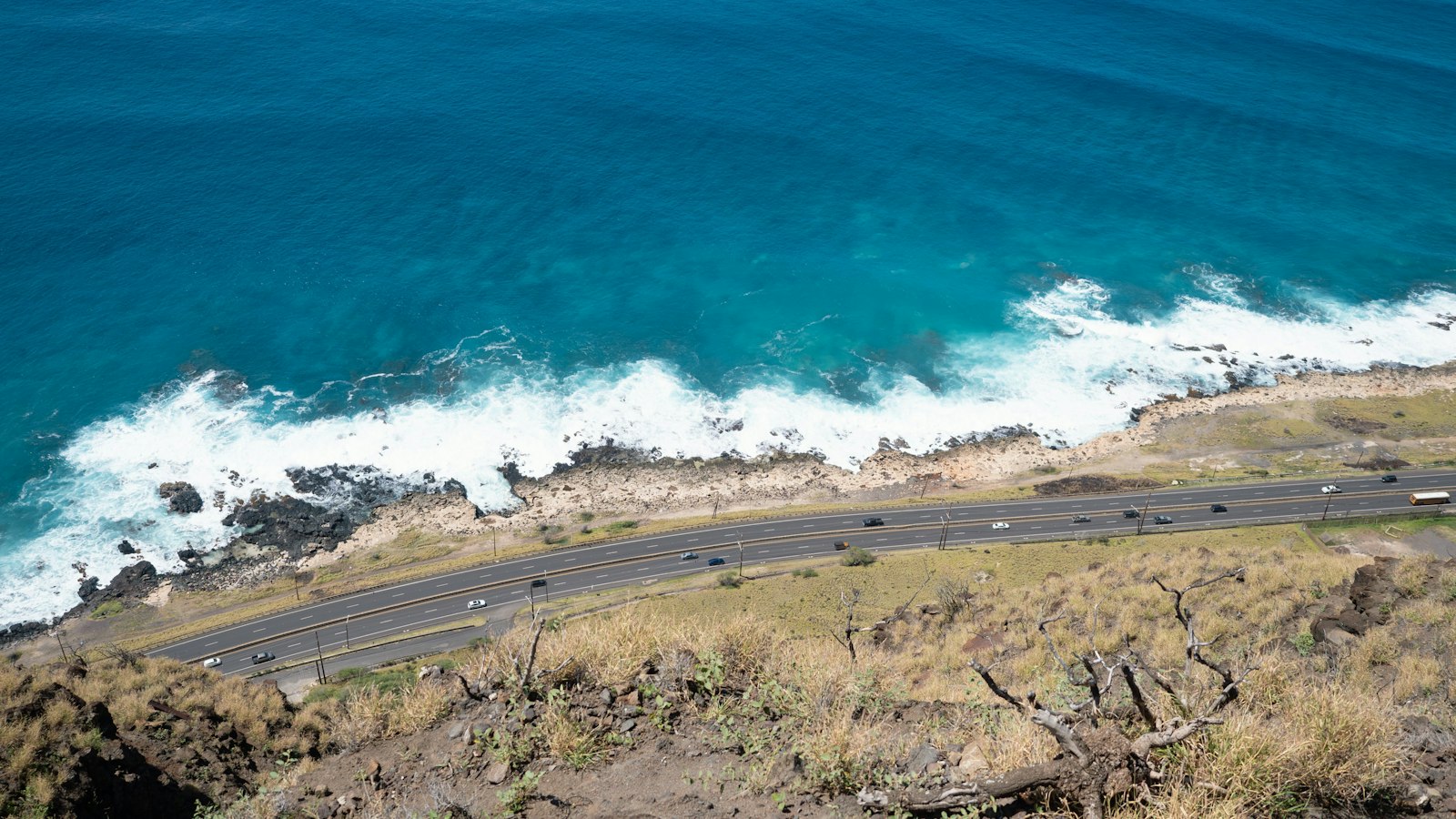
Hawaii ports and ocean carriers
Two ocean carriers handle most personal vehicle shipments between the mainland and Hawaii:
| Carrier | Mainland departure ports | Hawaii arrival ports |
|---|---|---|
| Matson | Oakland, Long Beach and Tacoma | Honolulu (Oahu), Kahului (Maui), Hilo and Kawaihae (Big Island), Nawiliwili (Kauai) |
| Pasha Hawaii | San Diego and Oakland | Honolulu (Oahu), Kahului (Maui), Hilo and Kawaihae (Big Island) |
Sailing schedules and ports change, so confirm them when you book. If you are moving to a neighbor island, service is often routed through Honolulu, which can add time. For moves between islands after you arrive, see our page on inter-island car shipping.
How much does it cost to ship a car to Hawaii?
The total cost has two parts: the ocean shipment and, if you do not live near a port, the mainland transport to the port.
Ocean shipping from the West Coast
As a planning range in 2026, shipping a standard sedan from a West Coast port to Honolulu commonly costs about $1,500 to $2,100, and an SUV or pickup about $1,800 to $2,500. Neighbor-island ports can cost more than Honolulu.
Mainland transport to the port
If you live away from the West Coast, add the cost of trucking the car to the port. A move from Texas, the Midwest or the East Coast can add several hundred to over a thousand dollars, depending on distance.
What affects the price
- Vehicle size and weight: Ocean carriers often price by size class.
- Departure and arrival ports: Honolulu is usually the least expensive destination.
- Season: Summer and military PCS season are busy. Book four to six weeks ahead.
- Running condition: Inoperable vehicles need special handling and may not be accepted on every sailing.
- Modifications: Lift kits, oversized tires and roof racks can change the price or require extra preparation.
For a price that includes the mainland leg and the ocean leg, request a quote on our Hawaii car transport costs, ports and transit times page.
How long does it take to ship a car to Hawaii?
| Stage | Typical time |
|---|---|
| Mainland transport to a West Coast port | 1–10 days, depending on where you live |
| Port drop-off to sailing | A few days, depending on the sailing schedule |
| Ocean transit | About 5–14 days, depending on route and island |
| Port processing in Hawaii | About 2–5 business days after the ship arrives |
| Total from the West Coast | About 2–3 weeks |
| Total from the East Coast | About 3–5 weeks |
Because the car will be gone for weeks, plan a rental or ride share for your first days on the island. If you are flying out of the West Coast, see our California to Hawaii car shipping guide.
Your Hawaii moving timeline
| When | Task |
|---|---|
| 8–10 weeks before | Decide whether to ship or sell. If financed, request a lienholder authorization letter. |
| 6–8 weeks before | Request quotes for the mainland and ocean legs and book your sailing. |
| 3–4 weeks before | Arrange Hawaii auto insurance to start when the car arrives. |
| 1–2 weeks before | Service the car, remove accessories and gather your documents. |
| Days before drop-off | Wash the car inside and out, including the undercarriage. Run the tank down to a quarter or less. |
| Arrival | Pick up the car at the port with your ID and shipping documents. |
| Within 30 days | Get a Hawaii safety inspection and register the car with your county. |
Preparing your car for the ocean voyage
Ocean carriers and Hawaii’s agricultural rules are strict, and cars that do not meet them can be turned away or cleaned at your expense.
- Clean it thoroughly. Hawaii’s Department of Agriculture inspects vehicles for soil, plants, seeds and insects that could harm the islands’ ecosystem. Wash the exterior, the wheel wells and the undercarriage, and vacuum the interior. Cars that fail are usually cleaned before release, at the owner’s cost.
- Reduce the fuel to a quarter tank or less.
- Remove personal belongings. Ocean carriers generally do not allow personal items in vehicles, apart from standard equipment such as a spare tire and jack. Ship household items separately.
- Remove aftermarket accessories, such as bike racks, roof boxes and cargo carriers.
- Disable the alarm.
- Make sure the car runs reliably, with no major leaks, a charged battery and good tires.
- Photograph the car from every angle, including the odometer, before drop-off.
- Keep one set of keys for yourself. The carrier needs a working key to load and unload the car.

Documents you need to ship a car to Hawaii
- Government-issued photo ID for the person dropping off and picking up the car
- Current registration and title, or proof of ownership
- Lienholder authorization letter if the car is financed or leased. Ocean carriers usually require written permission from the lender to ship the car out of state, and some lenders take weeks to issue it.
- Power of attorney if someone other than the registered owner will drop off or pick up the car
- Booking confirmation from the ocean carrier or your shipping company
Keep the bill of lading you receive at drop-off. You will need it to pick up the car and to register it in Hawaii.
Picking up your car in Hawaii
When the ship arrives and your car clears processing, you will be notified that it is ready. Bring your ID, the bill of lading and any authorization documents to the port. Inspect the car carefully before you drive away, compare it with your photos and note any new damage on the paperwork before you leave. Most carriers charge storage fees if you do not collect the car within a few days, so plan your pickup date.
Hawaii safety inspection and registration
After your car arrives, you have 30 days from the date on your bill of lading to register it in Hawaii. Registration is handled by each county: the City and County of Honolulu on Oahu, Maui County, Hawaii County (the Big Island) and Kauai County. On Oahu, most people register at a Satellite City Hall.
Step 1: Get Hawaii insurance
Your car needs a Hawaii no-fault insurance policy before inspection and registration. Arrange it before the car arrives.
Step 2: Get the safety inspection
Every vehicle in Hawaii needs a periodic safety inspection at a certified inspection station. Because your car is not yet registered in Hawaii, the first inspection is often recorded as incomplete or “failed” for registration only, even when the car passes the safety items. You use that inspection paperwork to register, then return to the inspection station to receive your safety check certificate and sticker. Ask the station to explain the process when you book.
The inspection checks items such as brakes, lights, horn, steering, tires, wipers, the windshield and window tint. Hawaii’s tint rules are strict, and very dark front-side tint from another state can fail.
Step 3: Register at your county
Bring:
- Your bill of lading
- Your out-of-state title and registration, or lender information if the car is financed
- Your Hawaii safety inspection paperwork
- Proof of Hawaii no-fault insurance
- Your photo ID
- Payment for registration fees and the county vehicle weight tax
Hawaii charges an annual weight-based vehicle tax set by each county, so heavier vehicles cost more to register every year.
Tips for a smooth registration visit
- Book an appointment where your county offers them. Satellite City Halls and DMV offices on Oahu and Maui can be busy, especially at the start of each month.
- Bring originals and copies of your bill of lading, title, out-of-state registration and insurance card.
- Bring your lender’s information if the car is financed, including the account number and mailing address for title requests.
- Check your window tint before the safety inspection; removing illegal tint before your appointment saves a second visit.
- Keep your old plates until you have Hawaii plates in hand, then follow your previous state’s rules for returning or cancelling them.
Hawaii insurance requirements
Hawaii is a no-fault state. Every registered vehicle must carry at least:
- $20,000 bodily injury liability per person and $40,000 per accident
- $10,000 property damage liability
- $10,000 personal injury protection (PIP)
Many drivers buy higher limits, plus comprehensive and collision coverage. Tell your insurer the island and ZIP code where the car will be kept, because rates differ between islands.
Island-by-island tips
Oahu
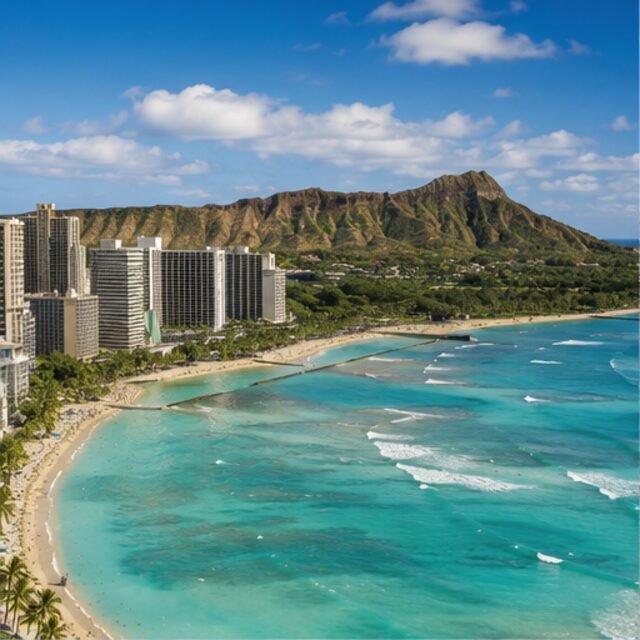
Oahu has the most traffic, especially on the H-1 around Honolulu at rush hour. Parking in Honolulu, Waikiki and Kakaako is tight and often costly. Our Honolulu car shipping and Oahu car shipping pages cover moves to the island.
Maui
A car is essential on Maui, where many trips cover long distances, such as the Road to Hana and the drive up Haleakala. Cars ship into Kahului. See our Maui car shipping page.
Kauai
Kauai has a single main highway around much of the island, and some areas are rural. Cars arrive at Nawiliwili. See our Kauai car shipping page.
The Big Island
Hawaii Island is huge, with long drives between Hilo and Kona. Four-wheel drive helps for some roads and for trips to high-elevation areas. Cars arrive at Hilo or Kawaihae.
Military moves to Hawaii
Service members on PCS orders to Hawaii are often entitled to government-funded shipment of one privately owned vehicle through the military’s vehicle processing centers. Many families also ship a second car privately, or use a private service to get the car to the processing center. Our military car shipping service helps with both.
Keeping a car healthy in Hawaii
- Salt air: Coastal air speeds up rust. Wash your car often, including the underside, and consider a protective wax or ceramic coating.
- Sun: Strong UV fades paint and cracks dashboards. Use a sunshade and park in the shade when you can.
- Red dirt: On some islands, red soil stains paint and interiors. Wash it off quickly.
- Gas prices: Fuel in Hawaii is among the most expensive in the country, which makes fuel-efficient and electric vehicles popular.
- Parts and repairs: Some parts must be shipped from the mainland, so repairs can take longer. Keep up with maintenance.
Container vs. roll-on/roll-off shipping
Most personal vehicles travel to Hawaii by roll-on/roll-off (RoRo) shipping. The car is driven onto the ship, secured to the deck inside the vessel and driven off at the island port. RoRo is the most common and usually the most affordable choice for a running car.
Container shipping puts the car inside a steel shipping container. It can offer more protection for high-value or classic cars and, in some cases, lets you ship household goods in the same container under different rules. It usually costs more and can take longer to schedule. Ask your shipping coordinator which option fits your vehicle and budget.
Shipping an electric vehicle to Hawaii
Electric vehicles are popular in Hawaii because gas is expensive and island distances are short. Ocean carriers set rules for EV charge levels before sailing, often asking for a partial charge rather than a full battery. Confirm the current requirement when you book, because a car that arrives with the wrong charge level can be refused. Hawaii has public charging on every major island, and many condo buildings in Honolulu now offer shared chargers.
What if you live far from the West Coast?
If you are moving from Texas, the Midwest, Florida or the Northeast, your car first needs to reach a West Coast port. The easiest option is to book door-to-port transport, where a car carrier picks up the car at your home and delivers it to the port in time for your sailing. This adds about one to ten days, depending on where you live. Planning the two legs together avoids storage charges at the port and makes sure your car arrives before the cutoff for its sailing. NIKI coordinates both legs as one booking.
Common mistakes to avoid
- Arriving at the port with a dirty car or more than a quarter tank of fuel.
- Packing personal items in the car. They are generally not allowed and not covered.
- Waiting on the lienholder letter. Request it as soon as you decide to ship.
- Booking late in summer or PCS season. Sailings fill up; book four to six weeks ahead.
- Missing the 30-day registration window after the bill of lading date.
- Forgetting to plan transportation for the two to three weeks your car is at sea.
How NIKI Auto Transport helps you move a car to Hawaii
NIKI Auto Transport is a licensed and bonded auto transport broker (USDOT 4535689, MC-1799148). We coordinate the mainland leg to the port and the ocean shipment to Oahu, Maui, Kauai or the Big Island, so you have one point of contact from your driveway to the island port. Your booked price is protected by NIKI’s Price Guarantee, and we keep you updated at every stage.
Leaving the islands later? See our Hawaii to mainland car shipping guide. To start your move, visit our Hawaii car shipping and car transport page for a free quote, or call (818) 732-1805.
Frequently asked questions
Is it worth shipping a car to Hawaii?
For newer, reliable cars, usually yes, because vehicles cost more on the islands. For older or low-value cars, selling on the mainland and buying in Hawaii can make more sense.
How much does it cost to ship a car to Hawaii in 2026?
Shipping a sedan from a West Coast port to Honolulu commonly costs about $1,500 to $2,100, and an SUV or truck about $1,800 to $2,500. Add mainland transport if you live away from the West Coast.
How long does it take to ship a car to Hawaii?
About two to three weeks door to door from the West Coast, and three to five weeks from the East Coast, including mainland transport, ocean transit and port processing.
Can I pack personal items in my car when shipping to Hawaii?
Generally no. Ocean carriers usually allow only standard vehicle equipment, such as a spare tire and jack. Ship household items separately.
How long do I have to register my car in Hawaii?
You have 30 days from the date on your bill of lading to complete the Hawaii safety inspection and register the vehicle with your county.
Do I need a lienholder letter to ship my car to Hawaii?
Yes, if the car is financed or leased. Ocean carriers usually require written authorization from the lender before shipping the car out of state.
Requirements, schedules and fees change. This guide reflects Hawaii county DMV and ocean carrier guidance as of 2026; confirm current rules with your county and carrier before you ship.