“I liked working with Niki because they were easy to reach, patient with my questions, and clear about what would happen next.”Evan Andrews
Recommends NIKI on Facebook
Read NIKI’s Facebook reviews



NIKI helps arrange San Francisco car shipping around your actual vehicle and schedule. Shipping a car in San Francisco requires a street-level plan. An address on a steep block may be easy for a passenger car but unsuitable for a loaded multi-car trailer.
Review the equipment choice, pickup access and payment terms before booking. Call (818) 732-1805 to explain a special vehicle or a time-sensitive move.
Plan your San Francisco shipment with a clear quote, suitable transport equipment and an agreed handoff at both ends. Keep the same shipment reference when asking for an update.
NIKI service overview video; its original title references Texas.
“I liked working with Niki because they were easy to reach, patient with my questions, and clear about what would happen next.”Evan Andrews
Recommends NIKI on Facebook
Read NIKI’s Facebook reviews“I had a really good experience with Niki, especially because they kept things simple and did not make the process confusing.”Shirley Carlson
Recommends NIKI on Facebook
Read NIKI’s Facebook reviews“This was my first time shipping a vehicle, and Niki made the process feel simple instead of overwhelming.”Nicole Schwartz
Recommends NIKI on Facebook
Read NIKI’s Facebook reviews“Niki helped make one stressful part of my move much easier by handling the car transport in a smooth and organized way.”Edward Yates
Recommends NIKI on Facebook
Read NIKI’s Facebook reviewsFacebook recommendations use “recommends” rather than a numeric star rating. Stars are decorative; these excerpts describe general NIKI experiences.
Shipping a car in San Francisco requires a street-level plan. An address on a steep block may be easy for a passenger car but unsuitable for a loaded multi-car trailer.
NIKI coordinates open and enclosed San Francisco auto transport for moves involving SoMa, Mission Bay, the Richmond, the Sunset, the Marina and the Bayview. Describe the slope, available curb space and parking rules when requesting your estimate. If needed, agree on a level handoff in the city or an accessible Peninsula or East Bay location.
Ask about the door-to-door car shipping arrangements for your actual address and keep a release contact available.
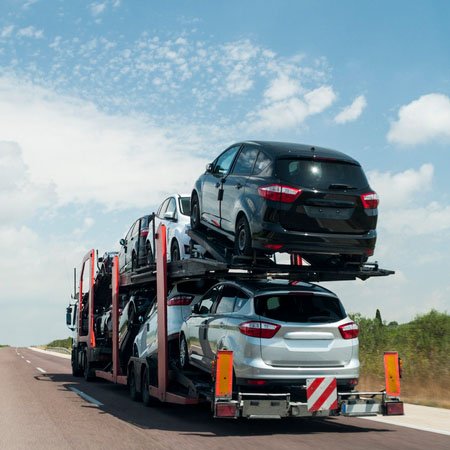
For reference, the September 2026 benchmark reports an average of $1,217 for San Francisco, with a published range of $375–$2,300. These figures describe its shipment sample; NIKI provides a separate written estimate for your vehicle and route.
Compare open auto transport with enclosed car shipping. The benchmark places the enclosed premium at approximately 50%; the actual difference depends on your booking.
The benchmark’s average lane length is 2,079 miles. Your quote uses the actual two addresses rather than that average. A longer journey generally raises the overall cost, while vehicle dimensions, running condition and loading access can change the equipment needed.
Share your preferred pickup window and ask for the total cost, payment schedule and included services. Use the car shipping cost calculator to start a NIKI request.
| Route | Distance | Open Transport | Enclosed | Transit Time | |
|---|---|---|---|---|---|
| San Francisco, CA Dallas, TX | 1,730 mi | $750–$1,175 | $1,125–$1,775 | 4–6 days | |
| San Francisco, CA Tampa, FL | 2,867 mi | $950–$1,500 | $1,425–$2,250 | 6–8 days | |
| Dallas, TX San Francisco, CA | 1,730 mi | $650–$1,050 | $975–$1,575 | 4–6 days | |
| Tampa, FL San Francisco, CA | 2,866 mi | $1,000–$1,600 | $1,500–$2,400 | 6–8 days | |
| San Francisco, CA Yonkers, NY | 2,916 mi | $1,050–$1,650 | $1,575–$2,475 | 6–8 days | |
| Buffalo, NY San Francisco, CA | 2,652 mi | $1,025–$1,625 | $1,525–$2,425 | 6–8 days | |
| San Francisco, CA Vancouver, WA | 647 mi | $550–$875 | $825–$1,325 | 2–4 days | |
| San Francisco, CA Columbus, GA | 2,470 mi | $975–$1,550 | $1,475–$2,325 | 5–7 days | |
| San Francisco, CA Durham, NC | 2,829 mi | $975–$1,550 | $1,450–$2,300 | 6–8 days | |
| Vancouver, WA San Francisco, CA | 647 mi | $450–$725 | $675–$1,075 | 2–4 days | |
| San Francisco, CA Chesapeake, VA | 2,973 mi | $1,000–$1,600 | $1,500–$2,375 | 6–8 days | |
| Joliet, IL San Francisco, CA | 2,104 mi | $750–$1,200 | $1,125–$1,800 | 5–7 days | |
| Augusta, GA San Francisco, CA | 2,615 mi | $975–$1,550 | $1,475–$2,325 | 6–8 days | |
| Richmond, VA San Francisco, CA | 2,879 mi | $950–$1,500 | $1,425–$2,250 | 6–8 days | |
| San Francisco, CA Joliet, IL | 2,105 mi | $825–$1,325 | $1,250–$2,000 | 5–7 days | |
| San Francisco, CA Mesa, AZ | 777 mi | $525–$875 | $800–$1,300 | 2–4 days | |
| San Francisco, CA Memphis, TN | 2,094 mi | $900–$1,425 | $1,350–$2,150 | 5–7 days | |
| Jersey City, NJ San Francisco, CA | 2,901 mi | $900–$1,450 | $1,375–$2,175 | 6–8 days | |
| Durham, NC San Francisco, CA | 2,825 mi | $975–$1,550 | $1,475–$2,325 | 6–8 days | |
| San Francisco, CA Fort Collins, CO | 1,188 mi | $725–$1,150 | $1,100–$1,725 | 3–5 days | |
| Springfield, MA San Francisco, CA | 3,016 mi | $1,000–$1,600 | $1,525–$2,400 | 7–9 days | |
| Pittsburgh, PA San Francisco, CA | 2,577 mi | $950–$1,500 | $1,425–$2,250 | 6–8 days | |
| San Francisco, CA Elizabeth, NJ | 2,901 mi | $1,000–$1,575 | $1,500–$2,350 | 6–8 days | |
| Tucson, AZ San Francisco, CA | 888 mi | $550–$900 | $825–$1,325 | 2–4 days | |
| San Francisco, CA Parkersburg, WV | 2,536 mi | $1,075–$1,725 | $1,625–$2,575 | 6–8 days | |
| San Francisco, CA Great Falls, MT | 1,194 mi | $950–$1,500 | $1,425–$2,250 | 3–5 days | |
| San Francisco, CA Grand Island, NE | 1,532 mi | $850–$1,350 | $1,275–$2,000 | 4–6 days | |
| San Francisco, CA North Las Vegas, NV | 575 mi | $500–$800 | $750–$1,175 | 2–4 days | |
| San Francisco, CA Nashua, NH | 3,119 mi | $1,100–$1,725 | $1,650–$2,600 | 7–9 days | |
| Fort Smith, AR San Francisco, CA | 1,811 mi | $875–$1,400 | $1,325–$2,100 | 4–6 days |
Source: published benchmark lane examples, captured September 18, 2026. All 30 routes retain their published distance, open price, enclosed price and transit estimate. These are reference estimates, not guaranteed NIKI rates.
A quote should describe the move you actually intend to book. Distance is only one input: the vehicle’s size, running condition, equipment needs and the available loading space also affect the assignment.
Enter the actual San Francisco-area pickup and delivery ZIP codes when requesting service. Postal coverage does not establish whether a particular street can accommodate a loaded carrier.
Downtown, SoMa, South Beach and Mission Bay
Share building access times, loading restrictions and the contact responsible for releasing the car.
The Marina, Cow Hollow, North Beach and the northern waterfront
A relatively level street still needs legal curb space. Confirm the stopping location instead of reserving an unsuitable residential spot.
The Sunset, the Richmond and nearby western neighborhoods
Wide avenues can be practical meeting locations, but the driver must assess grades, clearance and parking restrictions.
The Mission, Castro, Noe Valley and nearby central neighborhoods
Describe the exact block and its slope. A nearby level intersection may be more practical than a narrow residential approach.
Bayview, Hunters Point, Visitacion Valley and the southern neighborhoods
Confirm business opening times and vehicle-release requirements for commercial pickups. Do not assume every lot allows carrier loading.
Twin Peaks, Diamond Heights, Telegraph Hill, Forest Hill and Glen Park
A car carrier needs a safe grade and turning area. Meet at an agreed level location when the street cannot accommodate the truck.
Daly City, South San Francisco and the Peninsula
An alternate handoff can help when the city address is inaccessible. Confirm both the address and your own travel arrangements before accepting it.
Oakland, Berkeley and the East Bay
An East Bay pickup is a separate address for pricing and dispatch. Enter that actual location if it is where the vehicle will be released.
Enter the actual San Francisco-area pickup and delivery ZIP codes when requesting service. Postal coverage does not establish whether a particular street can accommodate a loaded carrier.
94002, 94005, 94010, 94011, 94014, 94015, 94016, 94017, 94018, 94019, 94030, 94037, 94038, 94044, 94061, 94063, 94064, 94065, 94066, 94070, 94080, 94083, 94102, 94103, 94104, 94105, 94107, 94108, 94109, 94110, 94111, 94112, 94114, 94115, 94116, 94117, 94118, 94119, 94120, 94121, 94122, 94123, 94124, 94125, 94126, 94127, 94128, 94129, 94130, 94131, 94132, 94133, 94134, 94137, 94139, 94140, 94141, 94142, 94143, 94144, 94145, 94146, 94147, 94151, 94158, 94159, 94160, 94161, 94163, 94164, 94172, 94177, 94188, 94401, 94402, 94403, 94404, 94497, 94501, 94502, 94507, 94516, 94518, 94523, 94525, 94526, 94530, 94540, 94541, 94542, 94543, 94544, 94545, 94546, 94547, 94549, 94552, 94553, 94555, 94556, 94557, 94563, 94564, 94569, 94570, 94572, 94575, 94577, 94578, 94579, 94580, 94583, 94587, 94590, 94592, 94595, 94596, 94597, 94598, 94601, 94602, 94603, 94604, 94605, 94606, 94607, 94608, 94609, 94610, 94611, 94612, 94613, 94614, 94615, 94617, 94618, 94619, 94620, 94621, 94622, 94623, 94624, 94649, 94659, 94660, 94661, 94662, 94666, 94701, 94702, 94703, 94704, 94705, 94706, 94707, 94708, 94709, 94710, 94712, 94720, 94801, 94802, 94803, 94804, 94805, 94806, 94807, 94808, 94820, 94850, 94901, 94903, 94904, 94912, 94913, 94914, 94915, 94920, 94924, 94925, 94930, 94933, 94938, 94939, 94941, 94942, 94946, 94948, 94949, 94957, 94960, 94963, 94964, 94965, 94966, 94970, 94973, 94974, 94976, 94977, 94978, 94979, 94998
Explore the relevant California city page for local pickup considerations and transport options.
Before dispatch, describe the driveway, nearest usable curb and any property rules. Describe the slope, available curb space and parking rules when requesting your estimate. If needed, agree on a level handoff in the city or an accessible Peninsula or East Bay location. The following situations deserve particular attention.
Steep approaches and sharp switchbacks can be unsuitable for a loaded car hauler. Do not direct the truck into a driveway until the driver has assessed the approach.
Agree on a nearby level location with sufficient turning and loading space. Confirm the exact address and contact number so both parties arrive at the same point.
Parking rules and restricted curbs can change from one block to the next. Check the posted restrictions and tell the coordinator about permit zones, cleaning times and building loading rules.
The driver must choose a legal stopping point on the day. Use an alternate location only with the property owner’s permission and the driver’s agreement.
If the original San Francisco address cannot accommodate a carrier, discuss a level pickup location on the Peninsula or in the East Bay. Enter that agreed address in the booking.
A different handoff may change the route, mileage or schedule. Confirm the new arrangement with NIKI and make sure the release contact can reach it.
Port-related transport needs a release plan as well as a truck booking. Confirm the terminal or forwarding-yard address, release documents, storage deadline and authorized contact.
A domestic car carrier booking does not by itself arrange customs clearance, ocean freight or entry into a controlled terminal. Ask NIKI to confirm which legs and handoffs are included in your shipment.
San Francisco vehicle transport begins with a quote for the actual car and addresses. After equipment, pickup availability and terms are agreed, the coordinator arranges the carrier.
At collection, the driver records the vehicle’s condition and loads it. The receiving contact repeats the inspection at delivery. Keep both reports and the shipment reference together.
Give NIKI the pickup and destination ZIP codes, year, make, model and running condition. Explain whether you prefer open or enclosed transport and which date the vehicle becomes available.
Review the written estimate and ask about payment timing, carrier assignment and pickup access. Start online or call (818) 732-1805.
The driver and release contact inspect the vehicle and record its condition before loading. Keep a copy of the report and confirm the available shipment-update method.
Do not leave the vehicle at an unapproved location. Confirm the release address, keys and authorized contact directly with the coordinator.
Arrange for the receiving contact to meet the driver and inspect the car before signing. Compare the delivery condition with pickup photographs and record any new concern on the report.
Keep the completed paperwork and follow the agreed payment instructions. Contact NIKI promptly if a delivery question remains unresolved.
Use the days before your San Francisco pickup to organize the release contact, keys and condition photographs. Complete the following steps before the carrier’s arrival call.
Start with a 7–14-day planning window when possible and allow more flexibility during busy moving periods. Give the first date the vehicle can be released, then separately identify any arrival deadline.
Clean the vehicle, remove personal belongings, disable automatic alarms and leave approximately a quarter tank of fuel. Make sure the driver can start, steer and brake the car, or disclose the equipment needed for an inoperable vehicle.
Walk around the car with the driver, photograph its condition and review the inspection report before loading. Repeat that process at delivery and record any new issue on the paperwork before signing.
For San Francisco, the benchmark separates 1–3 days for dispatch from 2–9 days in transit. Its whole-shipment planning window is 4–12 days. The lane table gives more specific examples.
Discuss the move 7–14 days before the first available pickup date when possible. Transit begins when the vehicle is collected; booking the service does not mean the car is already on the truck.
Bridge traffic, street-cleaning schedules and restricted curb space can affect the final handoff time.
San Francisco auto transport can help with a permanent move, a temporary work assignment, a college arrival or a vehicle purchase. The reason for moving the car often determines the best pickup window.
For a move into San Francisco, arrange an available receiving contact and check destination access before the vehicle leaves. Steep grades, tight corners and curb restrictions can make a nearby level meeting point necessary.
Keep transport arrangements separate from registration, insurance and parking requirements at the new address. Consult the relevant official agency for your circumstances.
Before leaving San Francisco, decide who can release the vehicle if your own travel date comes first. Give the carrier the correct phone number and confirm where the keys and paperwork will be available.
A lease return, auction purchase or dealer collection needs explicit release instructions. Resolve unpaid balances or missing documents before the pickup window begins.
NIKI keeps the shipment focused on the car, the route and the handoffs. Discuss equipment, access and dates before accepting the quote, then keep the written booking details available throughout your San Francisco move.
Read NIKI customer reviews and ask how the service applies to your own shipment. Clear quoting, useful updates and careful handoffs matter throughout the move.
Door-to-door service coordinates collection and delivery as close to the stated addresses as the carrier can safely and legally reach. A nearby agreed meeting point may be necessary for a restricted street or property.
Confirm the assigned carrier and its transport authority before pickup. Ask for the insurance information and coverage terms relevant to your vehicle. Retain the booking and condition records for the shipment.
NIKI’s published service information states that no deposit is required before carrier assignment. Review the written payment schedule, cancellation terms and delivery balance instructions before confirming your shipment.
Call (818) 732-1805 to confirm the best contact and current support availability for your shipment. Keep the coordinator’s details and driver contact accessible on pickup and delivery days.
Ask which update and tracking method is available for the assigned carrier. Keep your booking reference and contact NIKI if the pickup or delivery plan changes. A status update is an estimate unless a specific commitment is confirmed.
Open car transport is a practical choice for many standard cars, SUVs and pickups. The vehicle travels on an exposed multi-car trailer, so discuss any concerns about weather or road debris before booking.
Enclosed car shipping adds a covered trailer. It is often considered for collector, luxury or recently restored vehicles. Provide ground-clearance details and ask which loading equipment is available.
The benchmark uses about 50% as an enclosed-price premium. That is a comparison figure; ask NIKI to price both options for the same dates and vehicle.
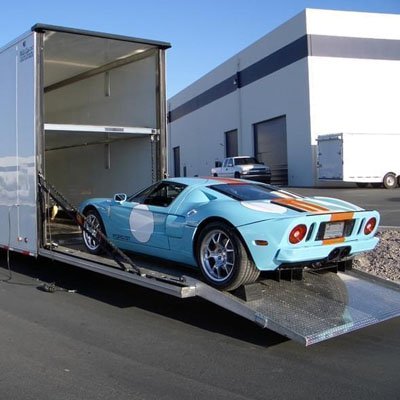
For a smoother San Francisco move, keep the pickup window realistic, give the coordinator accurate contact information and disclose mechanical or access limitations early. A few clear details before dispatch can prevent avoidable handoff changes.
Offer a realistic range of pickup dates when your schedule allows. That gives the coordinator more options to match the vehicle with an appropriate carrier. Confirm any change before making travel plans around it.
Give NIKI a backup contact who can answer calls and release or receive the car if you are unavailable. Confirm that person understands the inspection and signing responsibilities.
Disclose starting, steering, braking or rolling problems before you accept the quote. A vehicle described as operable must be able to load as expected. Additional equipment or handling can affect availability and cost.
San Francisco auto transport can save the driving time and mileage of a long relocation. Start with both addresses, the vehicle’s condition and the earliest release date.
Describe the slope, available curb space and parking rules when requesting your estimate. If needed, agree on a level handoff in the city or an accessible Peninsula or East Bay location.
NIKI helps arrange San Francisco car shipping around your actual vehicle and schedule. Shipping a car in San Francisco requires a street-level plan. An address on a steep block may be easy for a passenger car but unsuitable for a loaded multi-car trailer.
Review the equipment choice, pickup access and payment terms before booking. Call (818) 732-1805 to explain a special vehicle or a time-sensitive move.
San Francisco vehicle transport begins with a quote for the actual car and addresses. After equipment, pickup availability and terms are agreed, the coordinator arranges the carrier.
At collection, the driver records the vehicle’s condition and loads it. The receiving contact repeats the inspection at delivery. Keep both reports and the shipment reference together.
You can arrange San Francisco car shipping without visiting a local sales office. What matters is whether the company can coordinate your exact route, vehicle and dates and explain the carrier and payment arrangements.
Ask for a written estimate, review actual customer feedback and confirm how questions will be handled during the shipment.
The appropriate San Francisco transport service depends on your vehicle and priorities. Compare the equipment, loading requirements, scheduling and total price together.
With open transport, your vehicle rides on an uncovered carrier with other vehicles. It is usually the first option to compare for a standard operable car in San Francisco.
The trailer is exposed to normal road and weather conditions. Share modifications or loading concerns, and compare the full written estimate with the enclosed alternative.
Enclosed transport places the vehicle inside a covered trailer. Owners of classic, exotic, luxury or freshly finished vehicles often request it for additional separation from the weather and road debris.
Do not assume every enclosed carrier offers the same equipment. Tell NIKI about low clearance, unusual dimensions or special loading needs before confirming the booking.
Low-clearance, modified, classic and non-running vehicles require accurate details before dispatch. Provide dimensions, operating condition and photographs if the coordinator requests them.
Ask about the needed loading equipment and confirm that the assigned carrier can accommodate the vehicle. Report any change in condition before pickup.
To compare San Francisco quotes fairly, hold the vehicle, addresses, equipment and pickup window constant. Ask which charges are included and what circumstances could change the amount.
Flexible dates and an accessible loading location may create more options. Avoid choosing solely on a low preliminary number that does not reflect the actual vehicle or service.
For a smoother San Francisco move, keep the pickup window realistic, give the coordinator accurate contact information and disclose mechanical or access limitations early. A few clear details before dispatch can prevent avoidable handoff changes.
Prepare the car before the carrier’s arrival window rather than while the driver is waiting. Clean it, remove belongings, check its operating condition and gather the keys and release instructions.
Before the carrier reaches San Francisco, confirm the receiving contact and legal unloading point. Allow time to inspect the car with the driver rather than signing in a hurry.
Compare the vehicle with the pickup report and photographs. Record any new concern on the delivery paperwork and contact NIKI with the shipment reference and supporting records.
Walk around the vehicle in adequate light and compare its condition with the pickup photographs. Ask the driver to record any new issue on the delivery report before you sign. Retain clear photographs and all shipment paperwork.
Remove loose belongings, valuables, toll tags and removable electronics before pickup. Keep a record of any accessories remaining with the vehicle and discuss them with the driver. Vehicle cargo coverage should not be assumed to cover personal property.
Read the delivery condition report and verify that it reflects the inspection. Keep a copy after signing and follow the payment method already agreed for your shipment. Raise any discrepancy with the coordinator promptly.
How to ship a car explains the quote, booking, pickup and delivery steps. Review it before the first handoff so you know which details and documents to keep.
NIKI keeps the shipment focused on the car, the route and the handoffs. Discuss equipment, access and dates before accepting the quote, then keep the written booking details available throughout your San Francisco move.
Compare car transport services, including open and enclosed options. Select the equipment around your vehicle’s dimensions, finish, clearance and loading requirements.
Choose the route that matches the vehicle’s actual origin and destination. Dates and equipment still need to be confirmed for the individual shipment.
These answers cover common questions about San Francisco vehicle transport. Your written quote and assigned carrier instructions provide the details for your individual shipment.
NIKI coordinates service for addresses in San Francisco and the surrounding area. Steep grades, tight corners and curb restrictions can make a nearby level meeting point necessary. The driver must approve a legal, safe stopping point; door-to-door service can involve meeting nearby.
Request pricing for both exact addresses and your vehicle. The benchmark describes this as a roughly 380-mile corridor; its narrative and lane table use different timing examples. Use the relevant lane estimate for planning and confirm the actual pickup and delivery schedule with NIKI.
The benchmark’s San Francisco lane examples show 2–9 days on the truck, plus a 1–3-day dispatch window. Its overall planning window is 4–12 days. These are estimates; confirm NIKI’s assigned carrier schedule for your route.
NIKI coordinates service for addresses in San Francisco and the surrounding area. Steep grades, tight corners and curb restrictions can make a nearby level meeting point necessary. The driver must approve a legal, safe stopping point; door-to-door service can involve meeting nearby.
Use NIKI’s quote page or call (818) 732-1805. Provide the pickup and delivery ZIP codes, year, make, model, running condition and first available date. Mention any loading restrictions or deadline before accepting the written estimate.
For a standard operable car, compare open transport with a flexible pickup window. Give accurate vehicle dimensions and agree on an accessible loading location. A low estimate is only useful when it includes the service, timing and charges you need.
For a standard operable car, compare open transport with a flexible pickup window. Give accurate vehicle dimensions and agree on an accessible loading location. A low estimate is only useful when it includes the service, timing and charges you need.
The benchmark FAQ gives a $900–$1,500 standard-transport estimate for this route. It is reference pricing, not a NIKI offer. Your actual addresses, vehicle, trailer type and pickup window determine the written NIKI quote.
Use NIKI’s quote page or call (818) 732-1805. Provide the pickup and delivery ZIP codes, year, make, model, running condition and first available date. Mention any loading restrictions or deadline before accepting the written estimate.
The benchmark’s San Francisco lane examples show 2–9 days on the truck, plus a 1–3-day dispatch window. Its overall planning window is 4–12 days. These are estimates; confirm NIKI’s assigned carrier schedule for your route.
Keep your shipment reference and the contact details supplied at booking. Ask NIKI how updates will be provided for the assigned carrier, including the available online tracking and the best contact for a pickup or delivery question.
Ask for the assigned carrier’s insurance details and the coverage terms that apply to your shipment. Review limits, exclusions and the reporting process. Photograph the vehicle at both handoffs and record any new concern on the delivery condition report.
Review NIKI’s written payment schedule before booking, including any amount due after carrier assignment and the accepted method for the delivery balance. Confirm the payee and timing directly with your coordinator.
Arrange a responsible authorized adult at both handoffs. That person must be able to release or receive the vehicle, provide or accept the keys, inspect its condition and sign the transport paperwork. Give the driver the correct contact number.
Remove valuables and personal belongings before pickup. Do not assume that a vehicle transport booking covers goods left inside. If you have a specific item or accessory question, ask NIKI and the assigned carrier before loading day.
Use NIKI’s quote page or call (818) 732-1805. Provide the pickup and delivery ZIP codes, year, make, model, running condition and first available date. Mention any loading restrictions or deadline before accepting the written estimate.
Discuss the move as soon as your dates are known. A 7–14-day planning window is a useful starting point, with more flexibility around holidays or busy moving periods. Distinguish the first available pickup day from a required delivery deadline.
NIKI coordinates service for addresses in San Francisco and the surrounding area. Steep grades, tight corners and curb restrictions can make a nearby level meeting point necessary. The driver must approve a legal, safe stopping point; door-to-door service can involve meeting nearby.
Call NIKI at (818) 732-1805 with the vehicle and route details. Ask about pickup access, trailer options, timing or the written estimate before you book.
Request your San Francisco car shipping estimate with both addresses, vehicle details and first available date. NIKI can discuss open or enclosed equipment and the pickup access needed for your move.