Distance, Transit Time and Current Pricing
Plan your Kentucky to New York vehicle shipment with broad route guidance, then request a live quote based on exact ZIP codes, vehicle details, condition and first available date.


NIKI coordinates Kentucky to New York car shipping around your vehicle, available date and exact pickup and delivery addresses. Compare open and enclosed equipment, review the route planning figures below, and ask a coordinator to confirm the service for your move.
Door-to-door service uses the nearest location a carrier can legally and safely access. Your written quote confirms pricing, equipment and the pickup window.
The September 2026 route benchmark lists $806 as its average for Kentucky to New York car shipping. Its open-carrier planning range is $500–$1,250, while the enclosed reference range is $750–$1,900. NIKI confirms your shipment price after reviewing the actual addresses, vehicle and available dates.
Use these figures to compare options before requesting a quote. A move involving Louisville, KY and New York City, NY is only one city pair; your own pickup and delivery locations may produce a different distance and service plan. Request a car shipping estimate with accurate details for the vehicle you are moving.
The quote reflects total mileage, vehicle size and condition, trailer type, carrier positioning and scheduling flexibility. A lifted truck, roof-mounted accessories or a car that will not start can require a different equipment assignment. Rural stops and addresses that limit truck access can also change the plan.
Compare open and enclosed pricing on the same dates and with the same vehicle details. Ask what the written rate includes, whether the pickup window is flexible and how a change to your schedule would be handled. Keep the confirmed shipment details available so the release and receiving contacts are working from the same plan.
Published route benchmark
Transit planning range
Varies by city pair
| From Kentucky to New York | Distance | Open transport | Enclosed | Transit time | Quote |
|---|---|---|---|---|---|
| Louisville, KY → New York City, NY | 769 mi | $550–$900 | $850–$1,350 | 2–4 days | Get Quote |
| Lexington, KY → Buffalo, NY | 518 mi | $500–$800 | $750–$1,200 | 2–4 days | Get Quote |
| Bowling Green, KY → Rochester, NY | 712 mi | $600–$950 | $900–$1,425 | 2–4 days | Get Quote |
| Owensboro, KY → Yonkers, NY | 862 mi | $650–$1,025 | $975–$1,550 | 2–4 days | Get Quote |
| Covington, KY → New Rochelle, NY | 659 mi | $500–$800 | $750–$1,200 | 2–4 days | Get Quote |
| Richmond, KY → Syracuse, NY | 681 mi | $575–$925 | $875–$1,400 | 2–4 days | Get Quote |
| Hopkinsville, KY → Albany, NY | 979 mi | $675–$1,100 | $1,025–$1,625 | 2–4 days | Get Quote |
Planning data source: industry estimates for the Kentucky to New York route. These are industry planning estimates, not NIKI transaction history or a guaranteed offer. Request a written NIKI quote before booking.
“Niki Auto Transport made my vehicle shipment smooth, simple, and easy to follow.”Eloise JohnCustomer review excerptRead original Facebook review
“They kept me informed, handled the process professionally, and made sure the shipment stayed on track.”Eloise BoothCustomer review excerptRead original Facebook review
“I liked working with Niki because they were easy to reach, patient with my questions, and clear about what would happen next.”Evan AndrewsCustomer review excerptRead original Facebook review
“I was a little nervous about shipping my car at first, but Niki made the whole process feel much easier than I expected.”Kelli JenningsCustomer review excerptRead original Facebook review
“I had a really good experience with Niki, especially because they kept things simple and did not make the process confusing.”Shirley CarlsonCustomer review excerptRead original Facebook review
For Kentucky to New York car shipping, start with how the vehicle is used and what equipment it needs. Open transport is commonly selected for everyday cars, SUVs and trucks. Vehicles ride secured on an uncovered trailer, so they remain exposed to ordinary outdoor travel conditions.
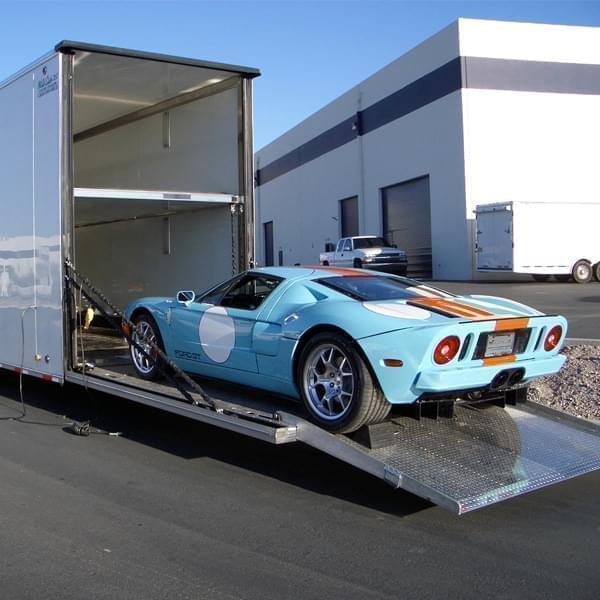
Enclosed car transport reduces weather and debris exposure and can be appropriate for a collectible, high-value vehicle or a car with special loading needs. Ask about ground clearance, ramp angles and whether lift-gate equipment is available for the specific assignment. A premium service label alone does not establish that equipment.
The published enclosed planning range on this corridor is $750–$1,900. Compare that with $500–$1,250 for open equipment, then request both options using the same dates. Describe modifications, roof racks, unusual dimensions and running condition before the quote is finalized.
If timing is the main concern, discuss the deadline separately from the trailer type. Equipment preference and expedited scheduling address different needs. The coordinator can review whether the requested pickup window is workable and explain any confirmed priority-service terms in writing.
A practical starting point for a standard vehicle and a flexible pickup window.
Discuss added protection and the loading equipment appropriate to the vehicle.

This page covers travel from Kentucky to New York. Pickup planning begins at the actual release address and ends at the agreed delivery location. The reverse direction has its own pricing and availability, so use the correct route when requesting service.
State highlights show the service corridor. The dashed connection is schematic; the assigned carrier determines the driving itinerary.
Confirm room to stop, load and complete the vehicle inspection.
Share dimensions, clearance and any change in running condition.
Arrange an authorized contact with the keys and shipment records.
The reference distance is ~740 mi; the carrier’s actual stops and itinerary can differ. New York City handoffs need room for a large trailer, while Long Island and suburban addresses may have narrow streets or limited turning space. Upstate appointments should account for the actual town and driveway access; a statewide address alone does not define the trip.
The monthly index below is the published demand comparison for this route, with its busiest displayed month set to 100. The lowest index occurs in Nov and the highest in May. Compare your dates with current carrier options rather than treating a historical pattern as a guaranteed discount.
Reference series: published route demand data. Values are relative index points, not shipment totals or NIKI bookings.

Published seasonal adjustment. Compare current dates and equipment options before committing to a pickup window.

Published seasonal adjustment. Compare current dates and equipment options before committing to a pickup window.

Published seasonal adjustment. Compare current dates and equipment options before committing to a pickup window.

Published seasonal adjustment. Compare current dates and equipment options before committing to a pickup window.
For a Kentucky to New York move, start planning when you know the vehicle and the likely handoff dates. A few acceptable pickup days may create more choices than a single fixed appointment. Explain any deadline before booking and ask the coordinator whether current space supports it.
The published transit range is 2–4 days after the carrier collects the car. Dispatch and pickup scheduling happen before the vehicle is in transit. Keep those stages separate when coordinating a flight, property handover, dealer release or the arrival of your household goods.
For example, Louisville, KY to New York City, NY is listed at 769 mi and 2–4 days. Use the city-pair estimate as a planning reference; weather, traffic, additional stops and loading access can change the arrival window. The driver or coordinator confirms handoff timing as the shipment progresses.
Provide the Kentucky pickup ZIP, New York delivery ZIP, vehicle details and first available date. Tell NIKI about any fixed deadline before choosing equipment.
Review the written quote, pickup window, carrier arrangements and payment terms. Keep a copy and confirm who will release and receive the vehicle.
The coordinator confirms the assigned carrier and access plan. Make sure the vehicle is ready, the keys are available and any dealer release is complete.
After pickup, use the 2–4 days benchmark range for planning. Keep the receiving contact reachable and request updates through the assigned shipment contact.
Meet the driver, compare the vehicle with the pickup photographs and inspection record, record any concern on the delivery paperwork and retain a copy.
If you cannot be present throughout the estimated window, appoint a trusted representative and share their contact details beforehand. Changing the receiving person or address late in the trip can affect the carrier’s plan. Discuss updates with the coordinator as soon as they become known.
Pickup planning in Kentucky starts with the exact city and ZIP code. The corridor examples include Lexington-Fayette, Ironville, Meads, Louisville. A statewide route estimate is useful for comparison, but the address and truck access determine the actual handoff arrangements.
Confirm access to the actual residence, dealer or business. Hilly approaches, narrow lanes and limited turning areas can make a nearby paved meeting location more practical for loading and inspection.
For a residence, mention narrow turns, low branches, gates and driveway slope. For a business, provide receiving hours and a contact who can release or accept the car. Ask the coordinator to confirm any alternate meeting point with the driver before pickup or delivery day.

Delivery planning in New York starts with the exact city and ZIP code. The corridor examples include New York City, Long Island, Buffalo, Rochester. A statewide route estimate is useful for comparison, but the address and truck access determine the actual handoff arrangements.
New York City handoffs need room for a large trailer, while Long Island and suburban addresses may have narrow streets or limited turning space. Upstate appointments should account for the actual town and driveway access; a statewide address alone does not define the trip.
For a residence, mention narrow turns, low branches, gates and driveway slope. For a business, provide receiving hours and a contact who can release or accept the car. Ask the coordinator to confirm any alternate meeting point with the driver before pickup or delivery day.

A Kentucky to New York shipment can be planned around a relocation, a purchased vehicle, seasonal travel or a family handoff. NIKI begins with the vehicle and the two addresses so that the equipment and pickup request reflect the move you actually need.
The first example in this route table is Louisville, KY to New York City, NY, listed at 769 mi. Another example, Hopkinsville, KY to Albany, NY, is listed at 979 mi. This difference is why the coordinator needs city-level details before confirming a price.
Confirm access to the actual residence, dealer or business. Hilly approaches, narrow lanes and limited turning areas can make a nearby paved meeting location more practical for loading and inspection. At the other end of the trip, confirm the receiving person’s name, number and availability. If a driveway or street is not accessible, discuss an alternative location while there is still time to coordinate it.
Before reserving, compare the equipment description, payment schedule and service window in writing. Tell the team about any low clearance, oversize accessories or mechanical issue. A useful quote is based on accurate information; a missing vehicle detail can cause the assigned trailer to be unsuitable.
Keep the shipment confirmation, pickup condition report and driver contact information together. Photograph the vehicle before loading, retain the inspection copy and use it during the delivery walkaround. The coordinator can explain how to request updates or report a concern, so you know the next step before the vehicle leaves.

Watch NIKI’s New York car transport overview, then use this route page to prepare the details for your own quote. The video introduces the service; your written shipment order determines the equipment, locations, timing and payment arrangements for your vehicle.
Watch on NIKI Auto Transport USA’s YouTube channel
Request My QuoteA prepared car and clear handoff details help the driver complete loading efficiently. Complete these checks before the pickup window, and contact NIKI if the vehicle condition or access changes after the quote.
Choose a pickup window when the car, keys and release contact will all be available. Confirm any dealership, auction or storage paperwork and tell the coordinator about operating-hour limits. Keep personal travel separate from an unconfirmed loading appointment.
Clean the vehicle enough for an accurate condition inspection. Remove valuables and loose accessories, identify any mechanical problem and ask the carrier for its fuel or EV battery instructions. Keep the keys ready and explain alarm or starting procedures.
Take clear photographs before loading and compare the car with the condition report. At delivery, inspect again before signing, record any new concern and keep copies. Allow adequate daylight or lighting and enough time for a careful walkaround.
NIKI coordinates Kentucky to New York car shipping by bringing the route, vehicle and handoff requirements into one written plan. Request auto transport service for an everyday car, a purchased vehicle or a shipment needing different equipment, and describe the details that could change loading or access.
A coordinator can review the quote, explain the pickup process and help identify the right contact while the car is in transit. Ask about the assigned carrier, equipment and available status updates before reserving. Clear expectations make it easier for the release and receiving contacts to prepare for their roles.
Review the locations, vehicle condition, equipment and agreed rate.
Coordinate a legal meeting location with enough room for loading.
Keep the inspection record and photographs from both ends of the move.

The standard route table describes planning examples for cars. A modified, valuable, nonrunning or unusually sized vehicle needs a separate equipment review. Tell NIKI what differs from a standard operable vehicle before using a published range as your budget.
Coordinate departure and return dates independently and identify a receiving contact at each home.
Discuss this shipmentExplain the reporting date and access requirements; confirm whether a base handoff is permitted.
Discuss this shipmentDiscuss enclosed equipment, ground clearance and the handling details for the particular vehicle.
Discuss this shipmentDescribe starting procedures, modifications and clearance before selecting loading equipment.
Discuss this shipmentSupply dimensions and ask which equipment and securing arrangement are available.
Discuss this shipmentCompare equipment and a range of pickup days using the same exact vehicle details.
Discuss this shipmentThe New York to Kentucky direction has a separate route page. Use it when the vehicle starts in New York, because the pickup city, available date and directional carrier demand may produce a different quote. Keep the origin and destination in the correct order when requesting both legs of a seasonal move.
View New York to Kentucky car shippingCompare the direction and destination before opening a related route. All New York interstate routes in this collection have their own page, and the reverse links connect each pair. Service pages explain equipment and the quote-request process.
Use these answers when planning Kentucky to New York car shipping. Your written order and assigned carrier’s instructions confirm the details for the actual vehicle and dates.
The published Kentucky to New York planning range is $500–$1,250 for an open carrier, with a benchmark average of $806. These figures are reference estimates, not a booked NIKI rate. Exact ZIP codes, vehicle dimensions, condition, equipment and dates determine your written quote. Request pricing for your vehicle.
Use 2–4 days after pickup as the published planning range for this corridor. Carrier assignment and the pickup window occur before that transit period. Stops, traffic, weather and access can change arrival timing. Ask the coordinator for the current window, and keep the receiving person available for the driver’s call.
The route benchmark’s lowest displayed monthly demand index occurs in Nov. This is a comparison of the published series, not a promise about your departure date. Compare several pickup windows, request open-carrier pricing and ask whether a more accessible handoff changes the quote. Actual space and rates are confirmed at booking.
Start with both ZIP codes, the vehicle year, make and model, and its running condition. NIKI reviews the Kentucky pickup and New York delivery requirements, explains the available equipment and coordinates the carrier. Record condition at pickup, keep handoff contacts available during transit and complete a comparison inspection at delivery.
NIKI coordinates the shipment and communicates the assigned carrier and handoff plan. The truck operator performs the vehicle movement. Before booking, ask who handles dispatch, which carrier will transport the vehicle, what insurance documentation applies and whom to contact for changes or a delivery concern. Keep those details with your written order.
Use the form on this page or call (818) 732-1805. Include both ZIP codes, first available date, vehicle details and equipment preference. The form sends a quote request to NIKI; a coordinator confirms pricing and availability. Tell the team about modifications, low clearance or a vehicle that does not run.
Use 2–4 days after pickup as the published planning range for this corridor. Carrier assignment and the pickup window occur before that transit period. Stops, traffic, weather and access can change arrival timing. Ask the coordinator for the current window, and keep the receiving person available for the driver’s call.
Keep the shipment confirmation and coordinator contact details available. Ask which status updates are offered for the assigned carrier, and use any shipment-specific link provided with your booking. The NIKI tracking support page explains how to request help; it does not independently display a live GPS vehicle location.
Request the assigned carrier’s current insurance information and ask what is covered, excluded and subject to a deductible. Keep your pickup and delivery condition records and photographs. Coverage terms can differ by carrier and equipment; personal belongings should not be assumed covered. Report a concern promptly using the process in your shipment documents.
Review the payment schedule and accepted methods in your written NIKI order before reserving service. Confirm when an initial payment is due, whether a balance is paid to the carrier and which methods that driver accepts. Keep receipts and clarify any requested change with the coordinator using your established contact details.
Arrange an authorized adult at both handoffs to provide or receive the keys, inspect the vehicle and sign the shipment paperwork. If someone else will meet the driver, give their name and phone number to the coordinator beforehand. A clear backup contact can help if your own travel schedule changes.
Remove valuables, loose accessories and personal belongings unless the assigned carrier has approved a specific arrangement in writing. Ask about any weight, placement and coverage restrictions before loading. Ocean shipments have their own acceptance rules. Do not assume an allowance from a different route or carrier applies to your booking.
Use the form on this page or call (818) 732-1805. Include both ZIP codes, first available date, vehicle details and equipment preference. The form sends a quote request to NIKI; a coordinator confirms pricing and availability. Tell the team about modifications, low clearance or a vehicle that does not run.
Request service as soon as your dates and vehicle details are reasonably clear. A flexible pickup window gives the coordinator more options than one exact day. Tell NIKI about flight dates, business hours and deadlines before booking, and ask for the current dispatch expectation instead of assuming the transit estimate includes pickup scheduling.
The driver aims to meet at the requested address when truck access and local conditions allow. Narrow streets, overhead clearance, tight turns or parking restrictions may require a nearby meeting point. Confirm that the alternate location permits loading and gives everyone enough room to complete the vehicle inspection safely.

Have your pickup ZIP code in Kentucky, delivery ZIP code in New York, vehicle details and first available date ready. Request a NIKI quote, compare equipment options and confirm the shipment plan with the coordinator before booking.