
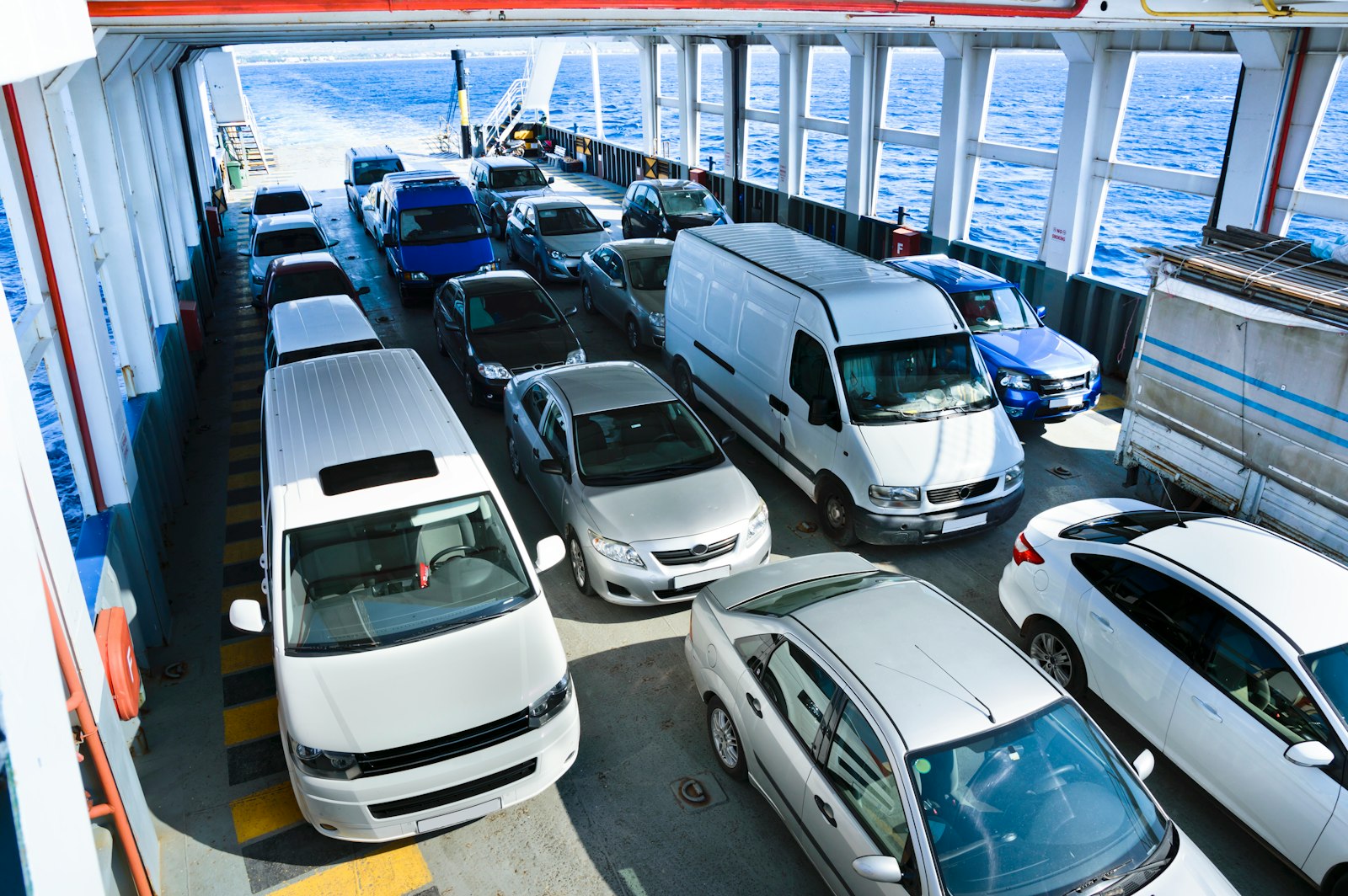
When you ship a car overseas, or to Puerto Rico, Hawaii or Alaska, you usually choose between two methods: roll-on/roll-off (RoRo) and container shipping. RoRo is like a floating parking garage: your car is driven onto the ship and secured on a vehicle deck. Container shipping puts your car inside a steel shipping container, either on its own or shared with other cars. Each method has clear advantages, and the right choice depends on your car, your budget, your destination and whether you want to ship belongings with it.
This guide compares RoRo and container car shipping side by side, with 2026 cost ranges, pros and cons, and a simple way to decide.
On this page
- RoRo vs container at a glance
- What is RoRo car shipping?
- What is container car shipping?
- Cost comparison: RoRo vs container
- Which should you choose?
- How to prepare your car for either method
- Getting your car to the port
- RoRo and container shipping to Puerto Rico, Hawaii and Alaska
- Frequently asked questions
RoRo vs container at a glance
| RoRo | Shared container | Exclusive container | |
|---|---|---|---|
| How the car travels | Driven onto a vehicle deck and lashed down | Loaded with 1–3 other cars in a 40-foot container | Alone in a 20- or 40-foot container |
| Typical cost for a sedan | Lowest for one car | Low per car | Highest |
| Protection from weather | Good (inside the ship) | Very good | Best |
| Personal items allowed | Usually no | Sometimes, with limits | Often yes, with a packing list |
| Non-running cars | Usually not accepted | Accepted | Accepted |
| Oversized vehicles | Good for large vehicles and equipment | Limited by container size | Limited by container size |
| Who handles the car | Port staff drive it on and off | Warehouse loads and secures it | Warehouse loads and secures it |
| Schedule | Fixed RoRo sailings | May wait for the container to fill | Ships when you are ready |
What is RoRo car shipping?
RoRo stands for roll-on/roll-off. Specialized vessels called car carriers or pure car and truck carriers (PCTCs) have many internal decks, ramps and lashing points. At the port, a driver takes your car up the ramp, parks it on a deck and secures it with straps. At the destination port, it is driven off the same way. RoRo ships carry thousands of vehicles at once, which is why the cost per car is low.
RoRo advantages
- Usually the lowest price for one running car
- Simple process with no container loading, bracing or packing
- Frequent sailings on major routes such as the U.S. to Europe and the Middle East
- Good for large vehicles, including pickups, vans, RVs, boats on trailers and equipment
- Less handling at the warehouse
RoRo disadvantages
- No personal items in the car on most RoRo services
- The car must run, steer and brake, because it is driven on and off
- Port workers drive your car during loading and unloading
- Fewer RoRo routes to smaller or landlocked destinations
What is container car shipping?
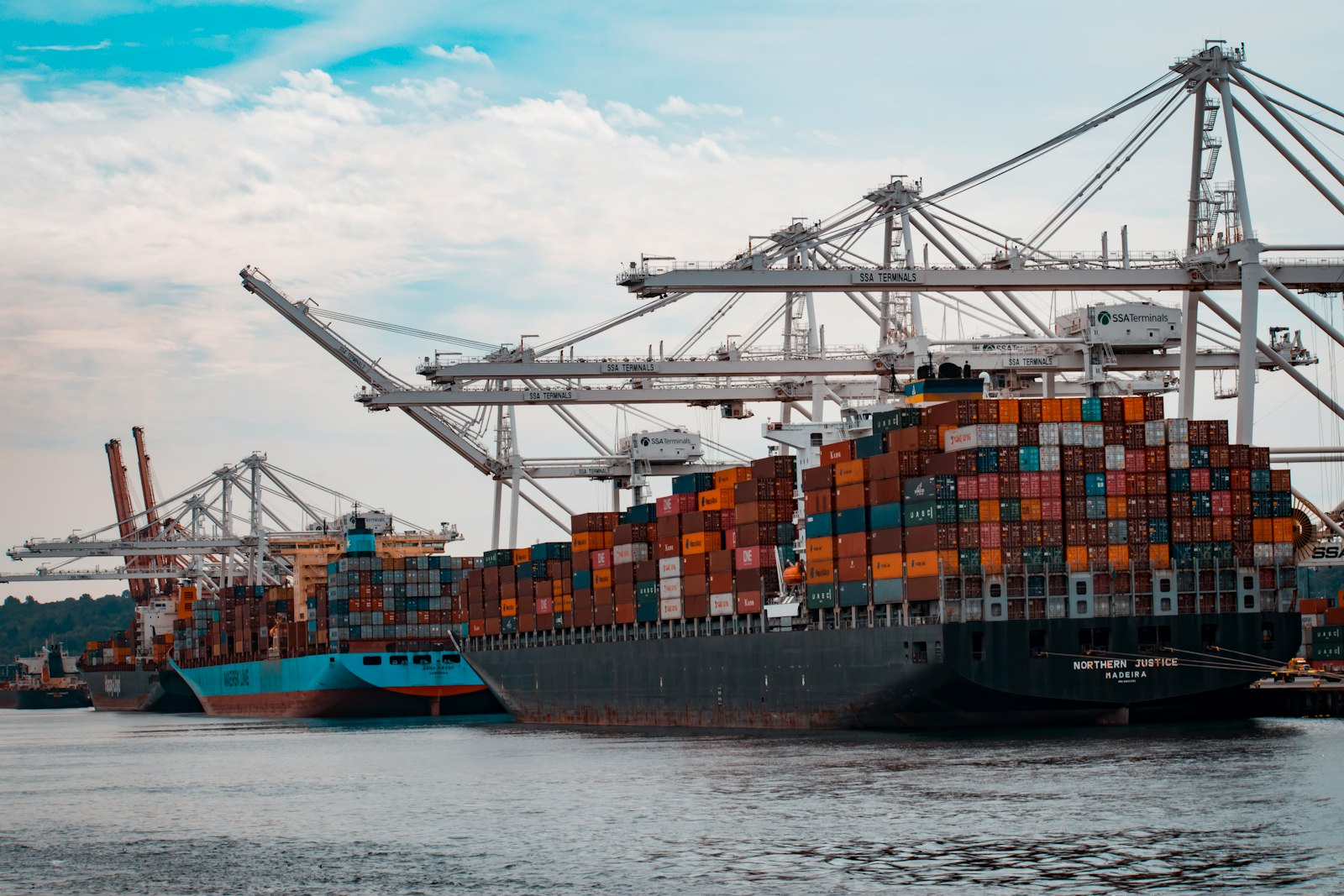
In container shipping, your car is driven or winched into a standard steel shipping container at a forwarder’s warehouse, then secured with straps, wheel chocks and wood bracing. The sealed container is trucked to the port and loaded onto a container ship. At the destination, it is unloaded and opened at a warehouse or after customs inspection.
Shared container
In a shared or consolidated container, two to four cars going to the same destination share one 40-foot container. You split the cost, which can make it nearly as cheap as RoRo, with more protection. The downside is that the container may wait until it is full, which can add days or weeks.
Exclusive container
An exclusive container is reserved for your car alone, usually a 20-foot container for one car, or a 40-foot container for one car plus household goods. It costs the most, but it offers the best protection and the most flexibility on timing.
Container advantages
- Maximum protection from weather, salt spray and handling
- Personal items can often be shipped in an exclusive container, with a packing list
- Non-running cars can be winched in
- More destinations, because container ships serve far more ports than RoRo vessels
- Good for high-value, classic and exotic cars
Container disadvantages
- Higher cost, especially for an exclusive container
- Loading and bracing fees at the warehouse
- Size limits: tall or wide vehicles may not fit a standard container
- Possible waiting time for a shared container to fill
Cost comparison: RoRo vs container
Typical 2026 ocean freight for a standard sedan, port to port:
| Destination | RoRo | Shared container (per car) | Exclusive 20-foot container |
|---|---|---|---|
| Northern Europe | $1,000–$1,800 | $1,100–$1,900 | $1,600–$2,800 |
| United Kingdom | $1,100–$1,900 | $1,100–$2,000 | $1,700–$2,900 |
| Middle East | $1,200–$2,000 | $1,100–$2,000 | $1,800–$3,000 |
| West Africa | $1,200–$2,500 | $1,500–$2,800 | $2,200–$3,800 |
| Australia and New Zealand | $2,000–$3,500 | $2,200–$3,600 | $3,000–$4,800 |
| Puerto Rico (domestic) | $1,200–$2,000 | Varies | Varies |
Industry estimates for planning only. Rates change with demand and fuel costs, and container prices depend on how many cars share the container. U.S. inland transport, insurance and destination costs are extra.
Which should you choose?
Choose RoRo if:
- You are shipping one car that runs well
- You want the lowest price
- You do not need to ship belongings in the car
- The vehicle is large, tall or oversized
- Your destination has regular RoRo service
Choose a shared container if:
- You want more protection at a price close to RoRo
- You are flexible on timing
- Your destination is not served by RoRo
Choose an exclusive container if:
- Your car is high value, classic, exotic or sentimental
- You want to ship household goods with the car
- The car does not run
- You need control over the sailing date
How to prepare your car for either method
- Leave no more than a quarter tank of fuel.
- Wash the car, including the underside, for destination inspections.
- Take dated photos of every side, the interior and the odometer.
- Remove toll tags, garage openers and valuables.
- For RoRo, remove all personal items and make sure the car drives, steers and brakes.
- For a container, give your forwarder a detailed packing list if belongings are allowed.
- Tell your forwarder about modifications, a low ride height or a high-voltage battery.
- Buy marine cargo insurance.
Getting your car to the port
Both methods start with a trip to a U.S. port or forwarder warehouse. RoRo cars usually go to the marine terminal; container cars usually go to a warehouse near the port, where they are loaded. NIKI Auto Transport picks up your car anywhere in the continental U.S. and delivers it to the exact address on your booking. See car shipping to U.S. export ports or the specific ports: New York/New Jersey, Baltimore, Georgia, Houston and Los Angeles and Long Beach.
RoRo and container shipping to Puerto Rico, Hawaii and Alaska
The same two methods are used for domestic ocean shipments. Most cars shipped to Puerto Rico and Hawaii travel by RoRo, while cars going to Alaska often travel on combined RoRo and container vessels. Because these are U.S. destinations, there is no export filing, but each has its own port rules and, in Puerto Rico, an excise tax.
Related guides
- How much it costs to ship a car overseas
- International car shipping overview
- How to export a car from the USA
- Car haulers and car carriers explained
Frequently asked questions
Is RoRo or container shipping cheaper?
RoRo is usually cheaper for one running car. A shared container can cost about the same per car, while an exclusive container costs the most.
Is RoRo shipping safe for my car?
Yes. Cars travel inside the ship on enclosed decks and are lashed down. The main risks are minor scrapes during loading, which is why photos and marine insurance are important.
Can I put personal items in my car for RoRo shipping?
Usually not. Most RoRo services require the car to be empty except for standard equipment such as a spare tire and jack.
Can a non-running car be shipped by RoRo?
Usually not, because RoRo cars are driven on and off the ship. Non-running cars are normally shipped in a container.
How many cars fit in a 40-foot container?
Usually two to four, depending on the size of the vehicles and whether the forwarder uses racking.
Which method is faster?
It depends on the route. RoRo has fixed sailings on major routes. An exclusive container can ship as soon as you are ready, while a shared container may wait to fill.