Door-to-door auto transport from California to Colorado
NIKI coordinates open and enclosed vehicle shipping from California to Colorado through licensed and insured motor carriers. Exact ZIP codes, vehicle details, access and the first available date create the most useful live plan.
20+ YearsHands-on auto transport experience and route-planning knowledge.Licensed CoordinationTransportation coordinated through properly registered motor carriers.Nationwide ReachCoverage across active carrier lanes throughout the United States.
Experience and verification
20 Years of Auto Transport Experience, Backed by Verifiable Registration
NIKI combines experienced shipment coordination with carrier screening, clear documentation and practical communication. Customers can independently review federal registration and consumer guidance before booking.
20+Industry experienceTwo decades of vehicle-shipping coordination and problem solving.✓Carrier screeningRegistration, authority and insurance are reviewed before dispatch.50State coverageNationwide coordination across common long-distance and regional lanes.24/7Shipment supportResponsive coordination when pickup, access or timing details change.
20+YEARS IN BUSINESS
Shipping a Car from California to Colorado
This western interstate lane crosses desert, plateau and mountain regions. Elevation, winter weather, steep grades and the difference between California coastal markets and Colorado Front Range destinations can affect timing and carrier availability.
A professional shipment begins with the actual pickup and delivery locations—not just two state names. California stretches hundreds of miles from north to south, while destinations in Colorado may range from active metropolitan carrier lanes to smaller communities. The same vehicle can produce different mileage, availability and pricing depending on the ZIP codes.
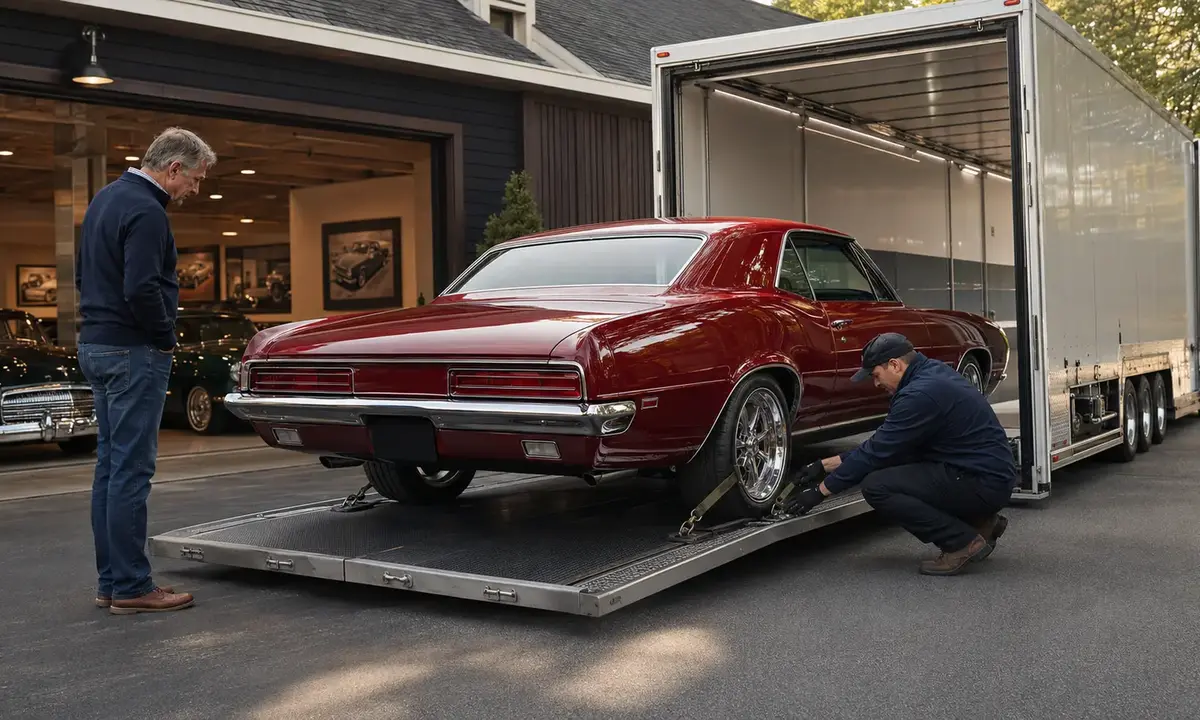
NIKI collects the vehicle year, make, model, operating condition, transport preference and first available date before presenting a live plan. Standard sedans, SUVs and pickup trucks commonly move on open carriers. Enclosed transportation may be preferred for classic, exotic, luxury, restored or low-clearance vehicles. Inoperable units need accurate rolling, steering and braking information so suitable loading equipment can be requested.
Pickup and delivery are coordinated as close to the requested addresses as a large carrier can safely and legally reach. Narrow streets, low trees, steep grades, gated communities, parking restrictions and limited commercial access can require a nearby meeting point. Clear communication about those conditions reduces last-minute changes.
Key California to Colorado Route Factors
Distance matters, but it is only one part of an interstate transport plan.
Exact origin and destination
Los Angeles, San Diego, the Bay Area and Sacramento connect to different highways and carrier markets. The destination ZIP similarly determines the final route, access and available return freight.
Vehicle size and condition
Larger vehicles use more trailer space. Lifted trucks, long vans, non-running units and vehicles with low clearance can require different equipment and pricing.
Season and weather
Holiday traffic, summer demand, winter storms, wildfire impacts and mountain conditions can affect pickup supply and travel timing.
Scheduling flexibility
A reasonable pickup window gives coordinators more options to match a qualified carrier already traveling the route. Tight dates may require expedited market pricing.
Ready to ship from California to Colorado?
Use exact ZIP codes and vehicle details for a personalized route price.
A useful quote reflects the specific shipment rather than a generic statewide average.
1
Mileage and carrier lane
Longer routes normally cost more in total, but per-mile pricing can be lower on active interstate corridors with balanced freight.
2
Vehicle dimensions
Height, length, weight and modifications determine how much carrier capacity the vehicle uses and whether standard equipment fits.
3
Open or enclosed service
Enclosed capacity is more limited and provides a covered environment, so it generally carries a higher market price.
4
Pickup urgency
Flexible dates expand the carrier pool. A fixed or immediate pickup can require a stronger offer to attract suitable equipment.
Planning note: Vehicle-shipping quotes are market-based. Fuel, season, weather, equipment supply and route demand can change. Request a current quote when your vehicle and dates are known.
How Long Does California to Colorado Auto Transport Take?
The broad carrier travel estimate is about 3–4 carrier travel days after pickup. This is not the same as the booking-to-delivery timeline.
Pickup scheduling occurs before transit begins. A driver may be completing earlier stops, positioning equipment or waiting for another vehicle on the route. Once loaded, the carrier follows a multi-stop interstate schedule and must comply with safety rules and hours-of-service limits.
Weather, construction, traffic, inspections, mechanical issues and customer availability at earlier stops can affect progress. NIKI communicates material changes when information becomes available, but no responsible provider should promise an exact cross-country delivery hour far in advance. Customers should keep travel, flight and move-in arrangements reasonably flexible.
Door-to-Door Vehicle Shipping
Door-to-door means the carrier attempts to meet at or near the requested addresses, subject to access and safety.
Full-size auto transport equipment needs room to turn, load and remain clear of traffic. Residential streets with low branches, tight curves or parking restrictions may not be suitable. In those cases, the driver and customer agree on a nearby shopping center, wide commercial street or other safe meeting area.
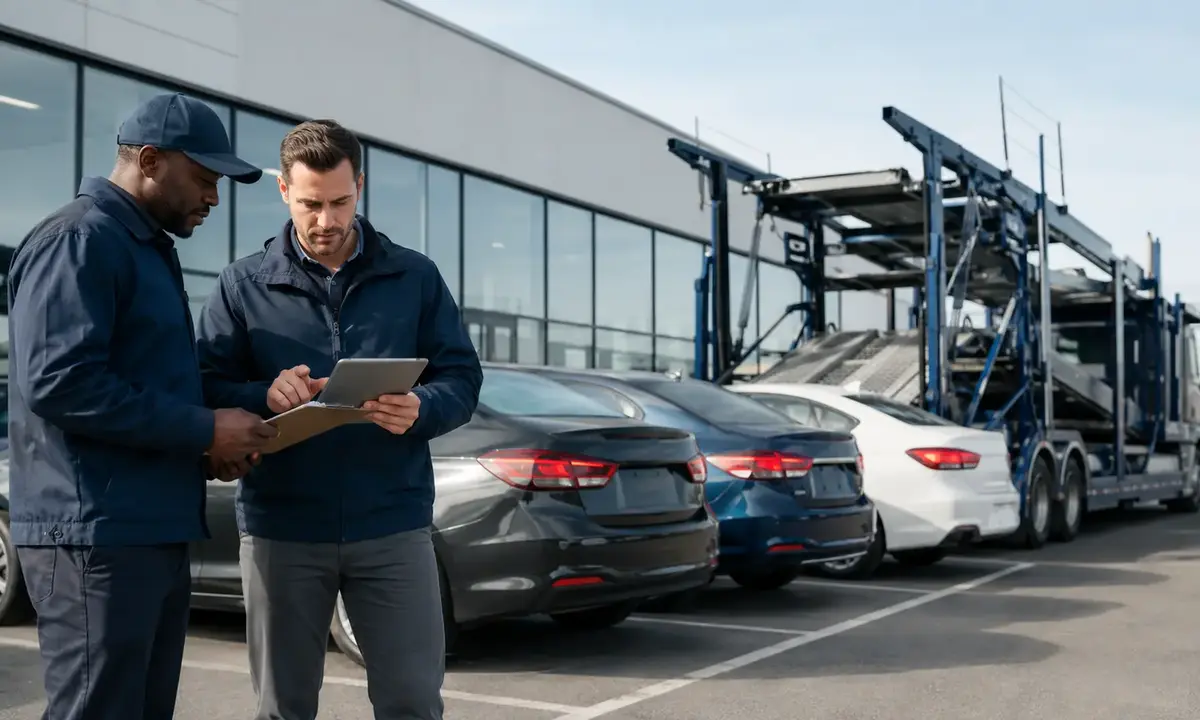
The customer or an authorized adult should be available at both ends. That person releases or receives the keys, participates in the inspection and signs the bill of lading. If a dealership, repair shop or other business is involved, provide receiving hours and a named contact before dispatch.
How the Shipping Process Works
Good preparation makes the route easier to coordinate.
1
Request a route quote
Provide complete ZIP codes, vehicle information, operating condition, trailer preference and first available date.
2
Review the plan
Confirm addresses, contacts, timing expectations, payment terms and any access or vehicle-condition limitations.
3
Carrier assignment
NIKI coordinates with a registered and insured carrier whose equipment and route fit the shipment.
4
Pickup inspection
The vehicle is inspected, existing visible condition is documented and the bill of lading is signed before loading.
5
Interstate transit
The driver transports the vehicle while coordinating estimated arrival and any material schedule changes.
6
Delivery inspection
The receiving party inspects before signing and notes any new visible concern on the delivery record.
Open vs. Enclosed Auto Transport
The best trailer depends on the vehicle and the level of protection requested.
Covered transport for vehicles needing additional protection.Final inspection and signed delivery documentation.
Open trailers transport most everyday vehicles and usually provide the broadest scheduling options. Enclosed trailers add a covered environment and are often requested for collector, exotic, luxury, restored or low-clearance vehicles. Disclose ground clearance, modifications and special handling needs before assignment.
Popular California to Colorado Shipping Lanes
These examples illustrate common market pairs. Exact mileage and timing must be calculated from the actual addresses.
Example lane
Planning consideration
Quote requirement
Los Angeles to Denver
Carrier access, season and current lane activity
Exact ZIP codes and vehicle details
San Diego to Colorado Springs
Carrier access, season and current lane activity
Exact ZIP codes and vehicle details
San Francisco to Fort Collins
Carrier access, season and current lane activity
Exact ZIP codes and vehicle details
Sacramento to Aurora
Carrier access, season and current lane activity
Exact ZIP codes and vehicle details
Preparing Your Vehicle for Interstate Shipping
A short preparation routine supports a clear inspection and safe loading.
Remove valuables and unapproved personal property.
Wash enough exterior dirt away to document condition.
Take dated photos from multiple angles.
Leave roughly one-quarter tank of fuel.
Check for fluid leaks and disclose them.
Confirm tires, battery, steering and brakes.
Remove loose exterior accessories.
Provide keys and disable alarms.
Document mechanical or loading limitations.
Keep the assigned contact available by phone.
Why Choose NIKI for California to Colorado Car Shipping?
NIKI combines experienced coordination with practical route communication.
With more than 20 years in auto transport, NIKI understands that a good shipment depends on accurate information and suitable carrier equipment. We review vehicle condition, timing, route and access before dispatch and coordinate through properly registered motor carriers.
Customers receive clear quote and call-to-action options, a documented dispatch, pickup and delivery expectations, and support when circumstances change. The goal is not to make unrealistic promises; it is to create a workable plan, communicate honestly and help the carrier and customer complete the shipment safely.
California to Colorado Car Shipping FAQs
How much does it cost to ship a car from California to Colorado?
Cost depends on exact ZIP codes, vehicle size, condition, trailer type, season, timing and current carrier supply. Request a live quote with complete details instead of relying on a broad statewide average.
How long does transport take after pickup?
A broad estimate is about 3–4 carrier travel days after pickup. Weather, traffic, road conditions, federal driving limits and the carrier’s other scheduled stops can change actual timing.
Is door-to-door service available?
Yes, where the addresses are safely and legally accessible. The driver may suggest a nearby wide parking area if residential streets cannot accommodate a large carrier.
Can an inoperable vehicle be shipped?
Often yes, if its rolling, steering, braking, wheel and key condition are accurately disclosed. Winch or specialized equipment affects availability and price.
Should I choose open or enclosed transport?
Open service fits most standard vehicles. Enclosed service provides a covered environment and is often selected for rare, restored, exotic, luxury or especially protected vehicles.
How far ahead should I book?
Contact NIKI when the vehicle and first available date are known. Additional notice generally creates more options, while urgent or fixed pickup dates may require expedited pricing.
Can I place personal items in the vehicle?
Do not load personal property without express carrier approval. Extra weight, visibility restrictions and cargo-coverage limitations can create safety and compliance issues.
What happens at delivery?
The receiving party inspects the vehicle before signing, compares it with the pickup record and writes any new visible concern on the bill of lading.
Get a Personalized California to Colorado Car Shipping Quote
Share exact pickup and delivery ZIP codes, vehicle details and the first available date.